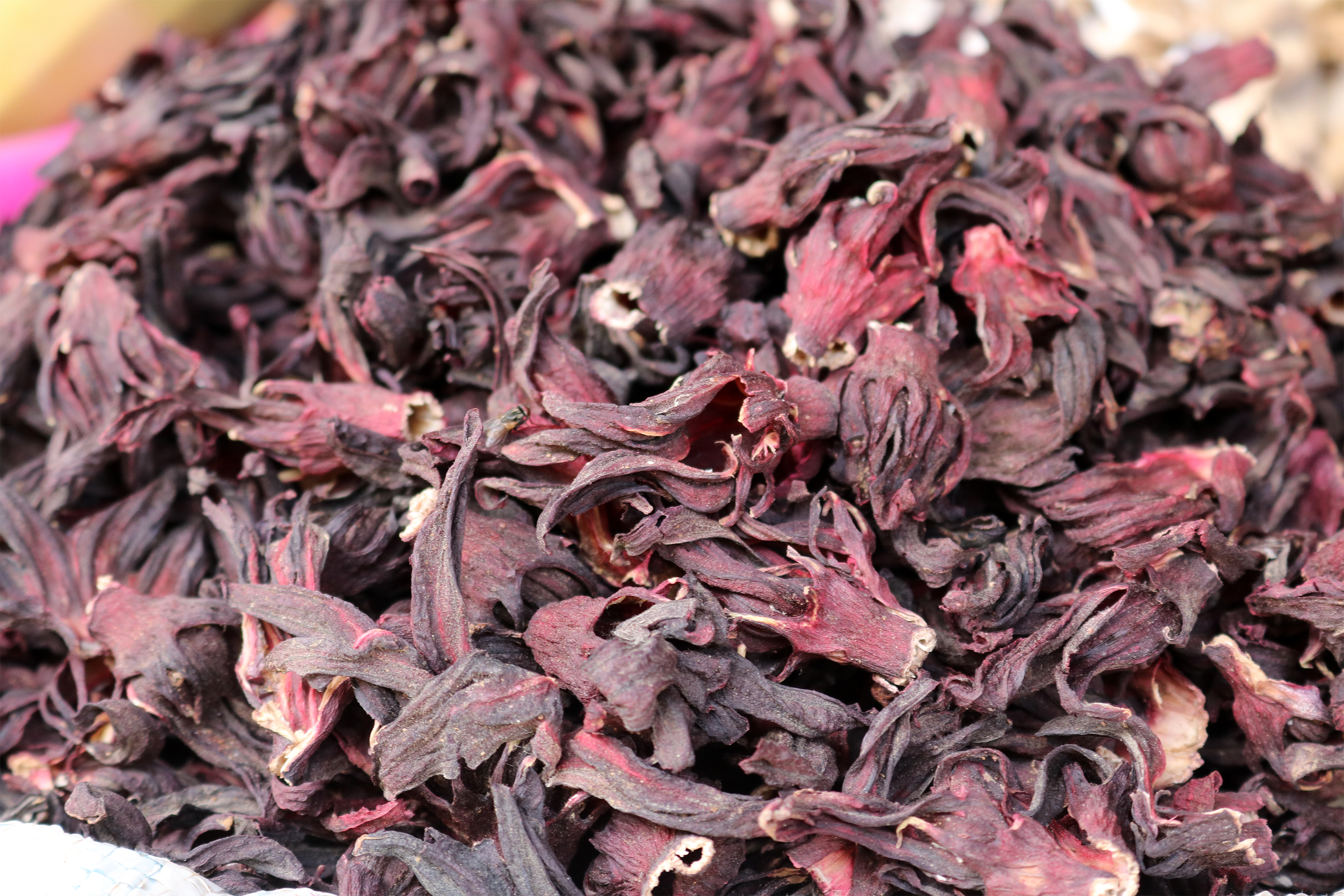
The dried flower that colours Nigeria's popular zobo drink is quietly turning into a foreign-exchange earner. The Nigerian Export Promotion Council has credited value addition across commodities including cocoa, sesame, cotton and hibiscus leaves, known locally as zobo, with helping lift non-oil exports to a historic $6.1 billion in 2025, an 11.5 per cent rise from $5.4 billion in 2024, according to The ICIR.
From Raw Flower to Finished Product
The NEPC Director-General, Nonye Ayeni, said exporters were increasingly prioritising processed and semi-processed goods over raw materials, supported by training and capacity-building, and that Nigeria had shipped hibiscus, textiles and sesame to the United States, as reported by The Economic Times. She cautioned that official figures still understate the trade because a large volume moves informally across land borders, and said the Council was working with the National Bureau of Statistics and the Central Bank to capture it.
A Crop With Room to Grow
Hibiscus is grown mainly across northern states including Jigawa, Katsina, Bauchi, Kano, Kebbi and Sokoto, and the market has been valued at roughly $100 million, with Mexico historically taking about 85 per cent of Nigeria's shipments, according to BusinessDay. The sector was nearly wrecked when Mexico banned Nigerian hibiscus in 2017 over a pest infestation, but exports resumed after the ban was lifted in 2022, and prices have since climbed to between ₦1.3 million and ₦1.7 million a tonne, drawing farmers back, as Daily Trust reported.
Every crop that earns more abroad and adds value at home strengthens the wider food economy that FoodPrices Nigeria watches. FoodPrices Nigeria tracks verified retail prices across Lagos markets and follows how export demand and value addition shape the fortunes of Nigerian farmers.