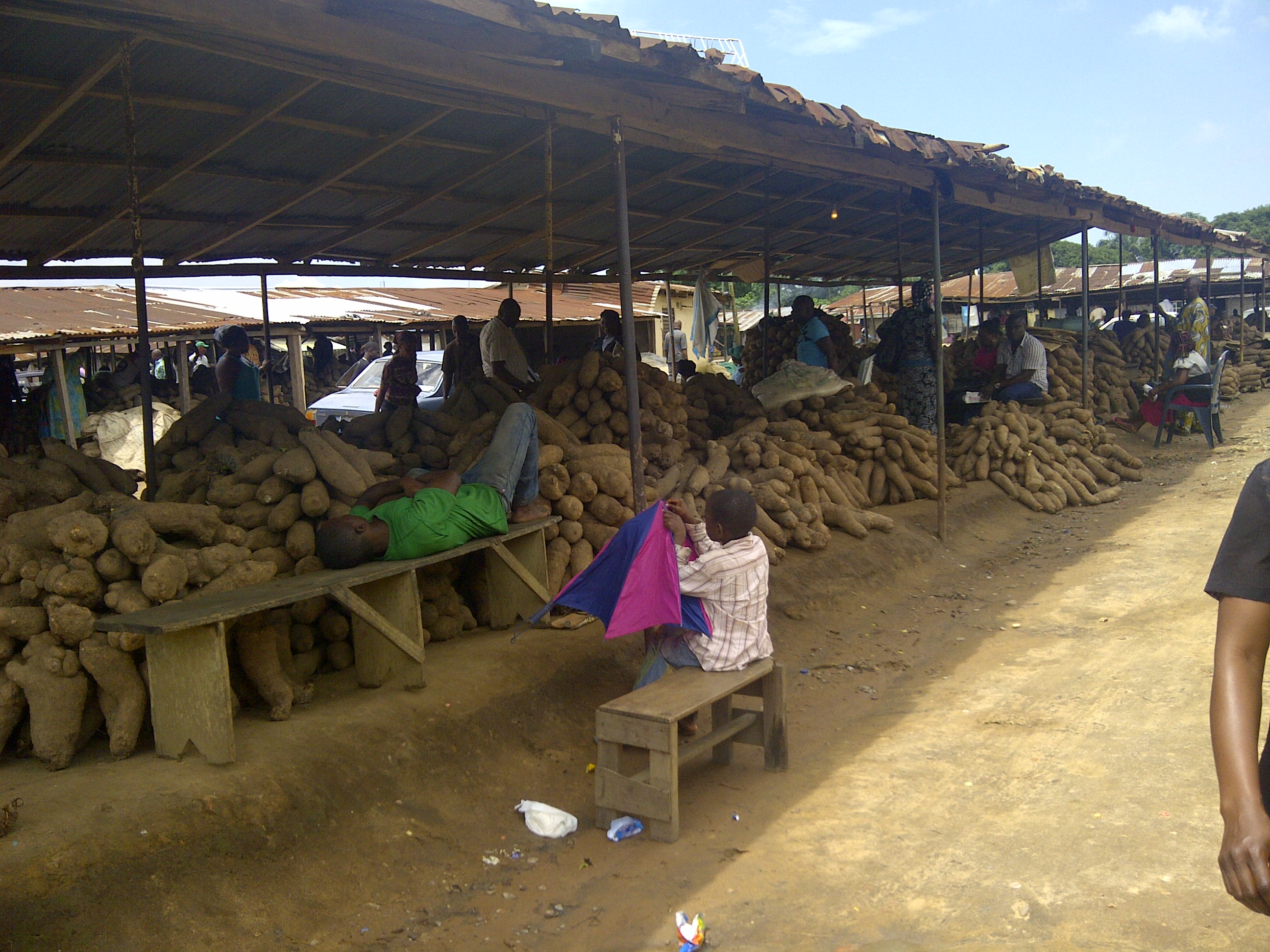
Medium Sized Yam posted the largest mean price decline of any item tracked in the Ministry of Agriculture and Food Systems' Lagos market survey for the week of 24 July 2026, falling 9.6% from ₦3,380 to ₦3,055 per tuber.
This Week's Mean Price
The mean was calculated across ten Lagos markets. The cheapest tuber was recorded at ₦2,150 in Ile-Epo Market, while the priciest reached ₦3,500 in Mile 12 Market, a gap of more than ₦1,300 between the two ends of the city.
Why This Move Stands Out
Yam travels to Lagos by road from producing regions, which makes it one of the most freight-sensitive items in the survey. That is what makes a decline of this size difficult to explain, because road costs rose sharply in the same week. Dangote Refinery raised its petrol gantry price to ₦1,215 per litre on 22 July, up 13.02% from ₦1,075, after a week of dollar-denominated pricing that had already pushed depot prices higher. Vanguard reported average Lagos pump prices climbing to around ₦1,350 from ₦1,260, and Legit.ng and Daily Trust reported commuter fares rising between 20% and 40% on many routes. A freight-exposed staple should have followed those costs upward.
The reporting record points the same way. Vanguard reported in April 2026 that tubers selling for between ₦1,200 and ₦2,000 in the same period of 2025 had climbed to between ₦2,500 and ₦3,500, with traders citing seasonal supply shortages and higher sourcing costs. A trader at Oyingbo Market quoted in that report expected pressure to continue, saying tubers then selling at ₦2,500 to ₦3,000 could go for close to double by August, because the new planting season had only just begun and fresh harvests were still limited. Premium Times reported in early July 2026 that yam prices in Enugu markets had risen steeply, with a medium-sized tuber of old yam selling between ₦3,000 and ₦5,000 against ₦2,000 to ₦3,500 in May, and traders there attributing the increase to transport costs, seasonal supply and insecurity affecting farming in the north.
The most plausible explanation for the reversal is seasonal, and strong enough to override the freight effect. Nigeria's new yam harvest typically reaches markets from around August, and early supply arriving in the wholesale hubs that feed Lagos can move prices quickly and by large margins. A 9.6% weekly fall is the kind of move an early harvest produces. That said, no reporting so far confirms that early harvest volumes reached Lagos in the survey week, so the cause remains unestablished. Whether this is the seasonal turn arriving early or a single-week movement should become clearer in the next two surveys.