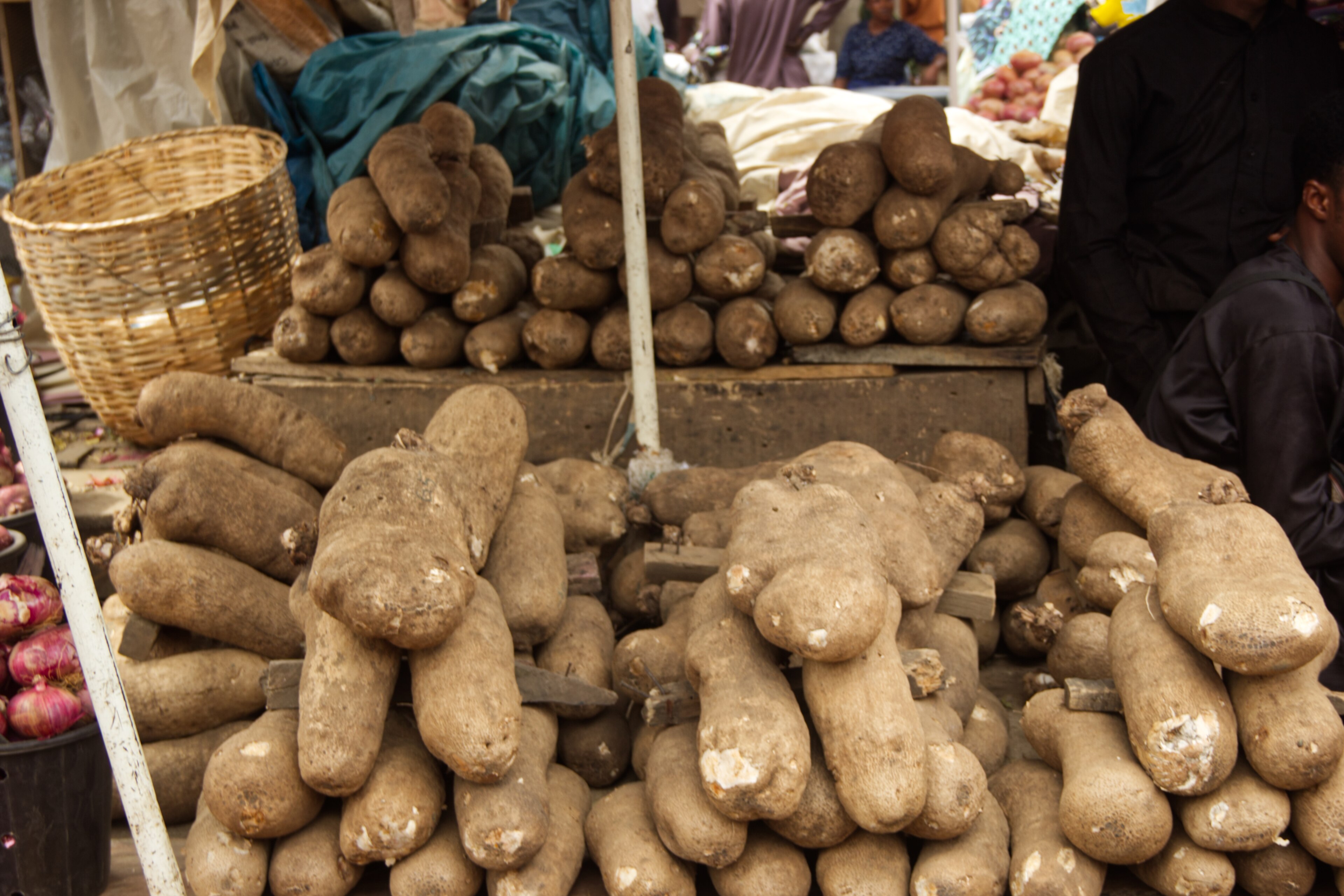
Medium Sized Yam posted the largest mean price decline of any item tracked in the Ministry of Agriculture and Food Systems' Lagos market survey for the week of 24 July 2026, falling 9.6% from ₦3,380 to ₦3,055 per tuber.
This Week's Mean Price
The mean was calculated across ten Lagos markets. The cheapest tuber was recorded at ₦2,150 in Ile-Epo Market, while the priciest reached ₦3,500 in Mile 12 Market, a gap of more than ₦1,300 between the two ends of the city.
Why This Move Stands Out
Yam reaches Lagos by road from producing states, which normally ties it closely to fuel costs. This survey week contained a significant fuel increase. Dangote Petroleum Refinery resumed naira sales of petrol on 22 July at a gantry price of ₦1,215 per litre, up from ₦1,075, an increase of 13.02% reported by Blueprint and Daily Post, with retail pumps in Abuja and surrounding areas reaching between ₦1,270 and ₦1,350 per litre. Garri and one beans variety rose in the same survey week, which is the direction a haulage cost increase would predict. Yam did the opposite, and by a wide margin.
It also runs against months of reporting. Vanguard reported in April 2026 that tubers selling for between ₦1,200 and ₦2,000 in the same period of 2025 had climbed to between ₦2,500 and ₦3,500, with traders citing seasonal supply shortages and higher sourcing costs. A trader at Oyingbo Market quoted in that report expected the pressure to continue, saying tubers then selling at ₦2,500 to ₦3,000 could go for close to double by August, because the new planting season had only just begun and fresh harvests were still limited.
Reporting from outside Lagos pointed the same way into July. Premium Times reported in early July 2026 that yam prices in Enugu markets had risen steeply, with a medium-sized tuber of old yam selling between ₦3,000 and ₦5,000 against ₦2,000 to ₦3,500 in May, and traders there attributing the increase to transport costs, seasonal supply and insecurity affecting farming in the north. One buyer in that survey expressed hope that prices might stabilise once the peak harvest season arrived, but the report as a whole documented a sharp increase rather than relief.
Against both the fuel move and the trend, this week's 9.6% fall is a genuine outlier. The most plausible explanation is seasonal. Nigeria's new yam harvest typically reaches markets from around August, and early supply arriving in the wholesale hubs that feed Lagos can overwhelm a transport cost increase. If that is what happened, the effect would need to be large enough to absorb a 13% fuel rise and still deliver a 9.6% decline. No reporting so far confirms early harvest volumes reached Lagos in the survey week, so the cause remains unestablished, and the next two surveys should indicate whether this is the seasonal turn or a single-week movement.
For live, continuously updated prices across all markets in this survey, visit https://foodprices.ng/real-time-prices.
Sources
Yam prices rise across Lagos markets as traders, consumers lament, Vanguard, 26 April 2026: https://www.vanguardngr.com/2026/04/yam-prices-rise-across-lagos-markets-as-traders-consumers-lament/ Yam prices rise in Lagos, consumers lament, Punch, 26 April 2026: https://punchng.com/yam-prices-rise-in-lagos-consumers-lament/ Price of yams soars in Enugu markets, Premium Times, July 2026: https://www.premiumtimesng.com/news/more-news/893300-price-of-yams-soars-in-enugu-markets.html Dangote Refinery raises petrol price, Blueprint, 23 July 2026: https://blueprint.ng/dangote-refinery-raises-petrol-price-2/ Dangote Refinery increases fuel price, resumes naira sales, Daily Post, 23 July 2026: https://dailypost.ng/2026/07/23/dangote-refinery-increases-fuel-price-resumes-naira-sales/