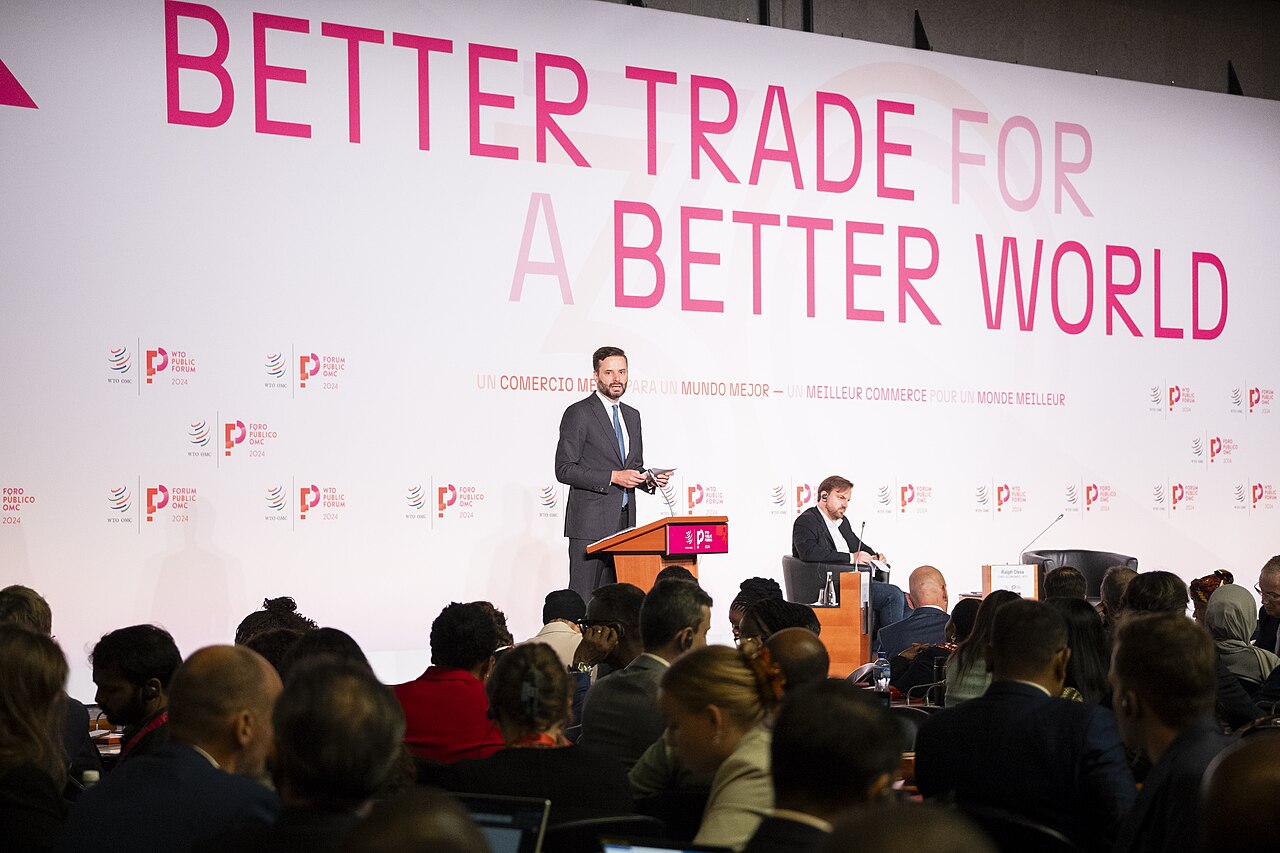
Trade ministers gathering in Yaoundé for the World Trade Organization's 14th Ministerial Conference in March 2026 delivered a thin set of results, but they kept alive the first binding global deal on fishing subsidies. Members agreed to continue the fisheries subsidies negotiations and to improve the treatment of developing countries under trade rules on food safety and product standards, while disagreement over digital trade policy blocked the larger items on the table, according to the International Institute for Sustainable Development.
What the Deal Already Bans
The agreement at the centre of the talks took effect on September 15, 2025, once two thirds of members ratified it, banning subsidies tied to illegal, unreported and unregulated fishing, to the fishing of already depleted stocks without efforts to restore them, and to unregulated fishing on the high seas, as the World Resources Institute recorded. The practices it targets are worth an estimated $22 billion a year worldwide, according to law firm K&L Gates. The Director General, Ngozi Okonjo-Iweala, had said at the entry into force ceremony that one of her key aspirations was to see every member ratify the agreement by the Yaoundé conference, the World Trade Organization reported.
A Deadline That Could Undo Everything
The unfinished half is where the risk sits. A sunset clause means that if comprehensive additional disciplines are not adopted within four years of entry into force, giving members until September 2029, the entire agreement automatically terminates unless members decide otherwise, according to the International Institute for Sustainable Development, which noted that the next ministerial in 2028 is the last scheduled before the deadline. The stakes are measured in fish. In the mid 1970s about 10 per cent of stocks were fished at unsustainable levels, a share that had grown to 37.7 per cent by 2021, according to Dialogue Earth. Alongside the fisheries decision, ministers adopted measures on integrating small economies into world trade, as the World Economic Forum reported.
Fish is one of the most affordable animal proteins on the planet, and rules written in Geneva shape how much of it reaches African markets and at what cost. FoodPrices Nigeria tracks verified protein prices across Lagos markets, where the health of distant fish stocks eventually shows up on the plate
#WTO #FisheriesSubsidies #TradePolicy #Fish #FoodSecurity #Lagos #FoodPrices #Nigeria #GlobalMarkets