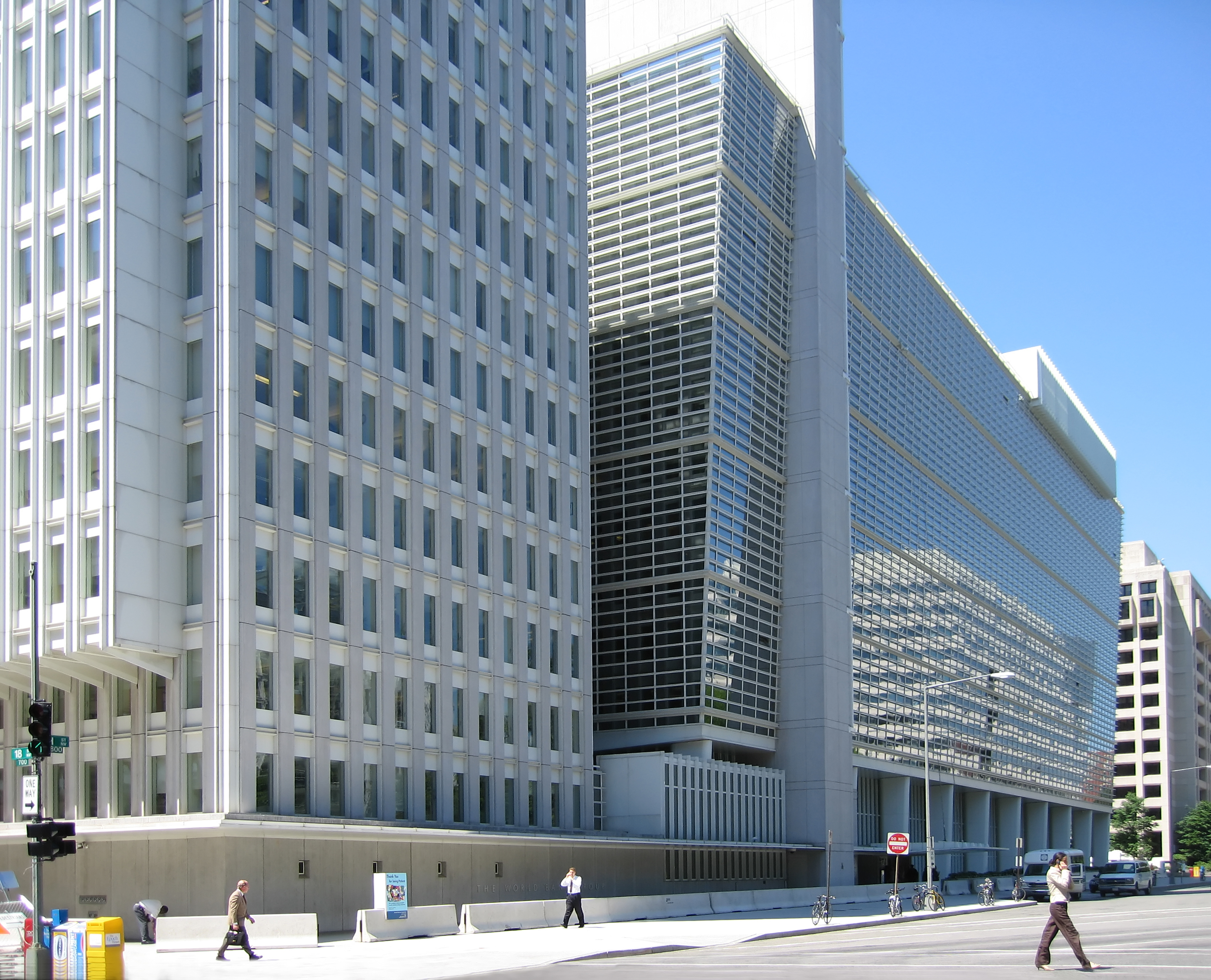
The World Bank announced in late March 2026 that it has approved a $500 million International Development Association (IDA) credit for Nigeria under a programme called the Sustainable Agricultural Value-Chains for Growth Project, or AGROW. The six-year programme will run from 2026 to 2032 and is expected to attract an additional $220 million in private agribusiness investment.
World Bank Country Director for Nigeria, Mathew Verghis, said the project is designed to benefit up to one million smallholder farmers. "AGROW is a transformative step for Nigeria’s agriculture, empowering smallholder farmers, unlocking private sector-led growth, and strengthening food security in a sustainable way," Verghis said in the bank’s statement.
The project will focus on key staple crops including rice, maize, cassava and soybeans, according to The Guardian Nigeria. Agribusinesses that commit to sourcing from smallholder farmers will receive support through a results-based matching grant system. Farmers will also have access to digital advisory tools, including weather and climate information services.
Agriculture remains Nigeria’s largest employer, but the sector has struggled with low yields and limited value addition, Nairametrics reported. The World Bank said many smallholder farmers remain trapped in subsistence farming, while food insecurity continues to affect millions. The AGROW initiative forms part of the bank’s wider Agriconnect programme aimed at transforming smallholder farming systems globally.
Channels Television reported that the funding will also prioritise climate-resilient farming practices, irrigation systems, and improved access to markets. The programme comes at a critical moment. Nigeria’s food inflation rose from 8.89% in January 2026 to 12.12% in February, and roughly 35 million Nigerians are projected to face acute food insecurity during the 2026 lean season.
FoodPrices Nigeria will track whether the AGROW project translates into measurable price relief across the markets we monitor.