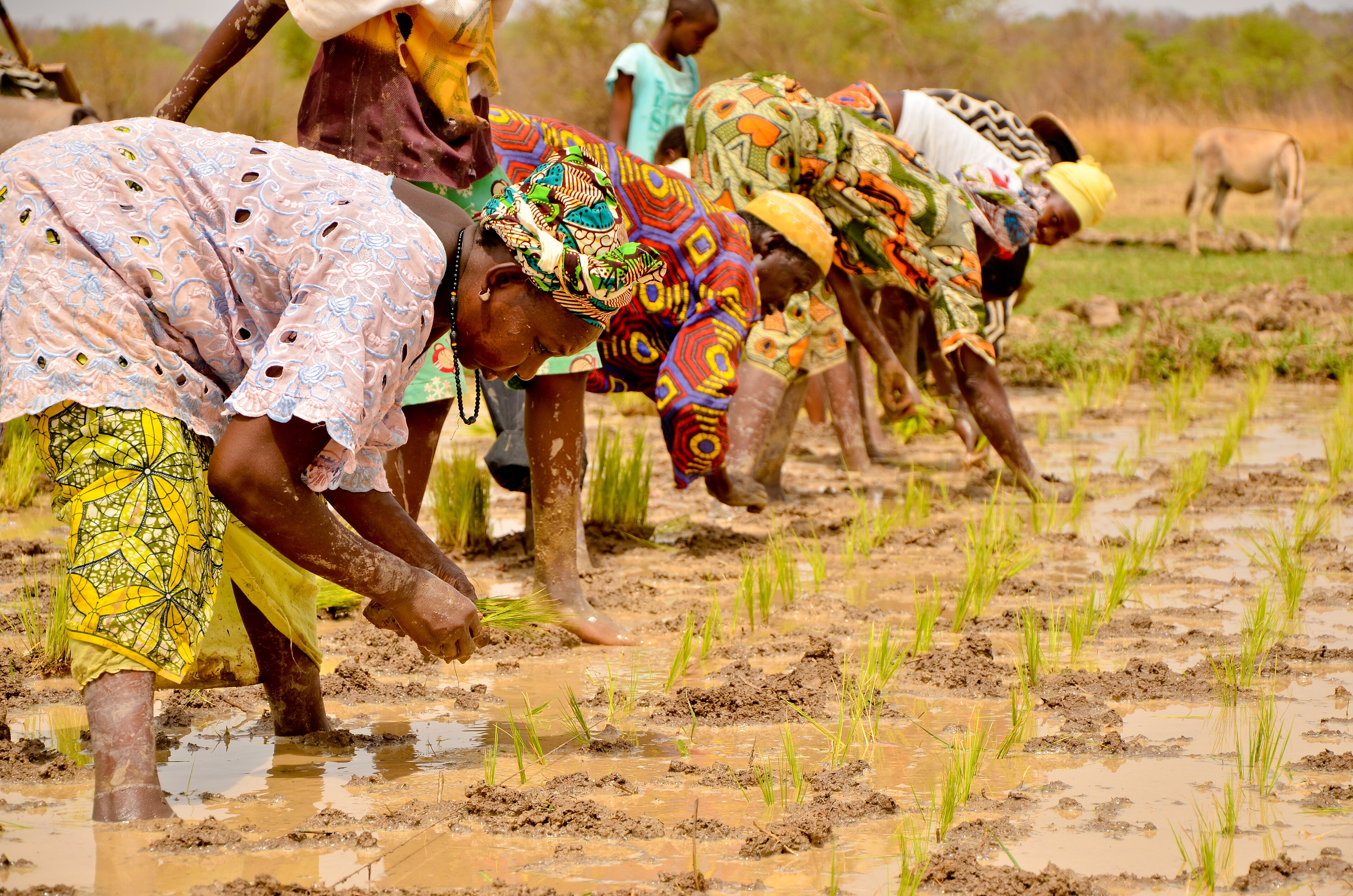
The World Bank approved a $500 million International Development Association (IDA) credit for Nigeria at the end of March 2026 under a programme called the Sustainable Agricultural Value-Chains for Growth Project, or AGROW. The six-year programme runs from 2026 to 2032 and is designed to increase smallholder farmer productivity, strengthen agricultural value chains, create jobs, and improve food and nutrition security across the country.
The approval arrives as Nigeria continues to grapple with structural weaknesses in its agricultural sector. Low productivity, limited access to quality inputs, climate shocks, and weak market linkages have trapped millions of smallholder farmers in subsistence production while food insecurity has widened across households. Nairametrics data compiled from the National Bureau of Statistics shows that food inflation reached 16.06% in April 2026, the first month it has exceeded headline inflation since August 2025, underlining the urgency of supply-side interventions.
What AGROW Will Fund
AGROW's core mechanism is a results-based matching grant facility directed at agribusinesses that commit to sourcing from smallholder farmers. The grants target aggregation, post-harvest handling, value addition through agro-processing, and improved market access. According to the World Bank press release, the project will prioritise rice, maize, cassava, and soybeans, which are the crops most critical to Nigeria's food security and economic growth.
Beyond the grant facility, AGROW will strengthen agricultural research and extension systems, promote climate-resilient seeds, and introduce a national digital farm and farmer registry. Farmers will receive digital advisory services that include localised climate and weather information. The project will also work to improve regulatory systems for seeds and fertilisers, a persistent weak point in Nigeria's input supply chain.
Scale and Private Leverage
The World Bank projects that the six-year programme will reach up to one million smallholder farmers directly. The $500 million IDA credit is expected to unlock an additional $220 million from private agribusiness investors, bringing the total expected capitalisation to $720 million over the programme period. "AGROW is a transformative step for Nigeria's agriculture, empowering smallholder farmers, unlocking private sector-led growth, and strengthening food security in a sustainable way," said Mathew Verghis, World Bank Country Director for Nigeria, in the official announcement.
Agriculture remains Nigeria's largest employer. The sector accounts for 25.2% of gross domestic product, according to the African Development Bank, yet productivity per farmer remains far below regional peers. The World Bank positions AGROW as a central component of its Agriconnect initiative, which targets the shift from subsistence farming to commercially competitive agribusiness across participating countries.
Crops in Focus
Rice is the most politically sensitive crop in the selection. Nigeria spends an estimated $2 billion annually on rice imports to bridge the gap between domestic production of 5.1 million tonnes and consumption of 7.4 million tonnes, according to the National Agricultural Land Development Authority. Maize feeds both households directly and the livestock and poultry value chains. Cassava, of which Nigeria is the world's largest producer with an annual output exceeding 59 million metric tonnes, remains heavily underutilised industrially. Soybeans anchor the cooking oil and animal feed sectors that directly affect urban food costs.
FoodPrices Nigeria will monitor whether the AGROW project translates into measurable price relief across the Lagos markets tracked by its network of price analysts.