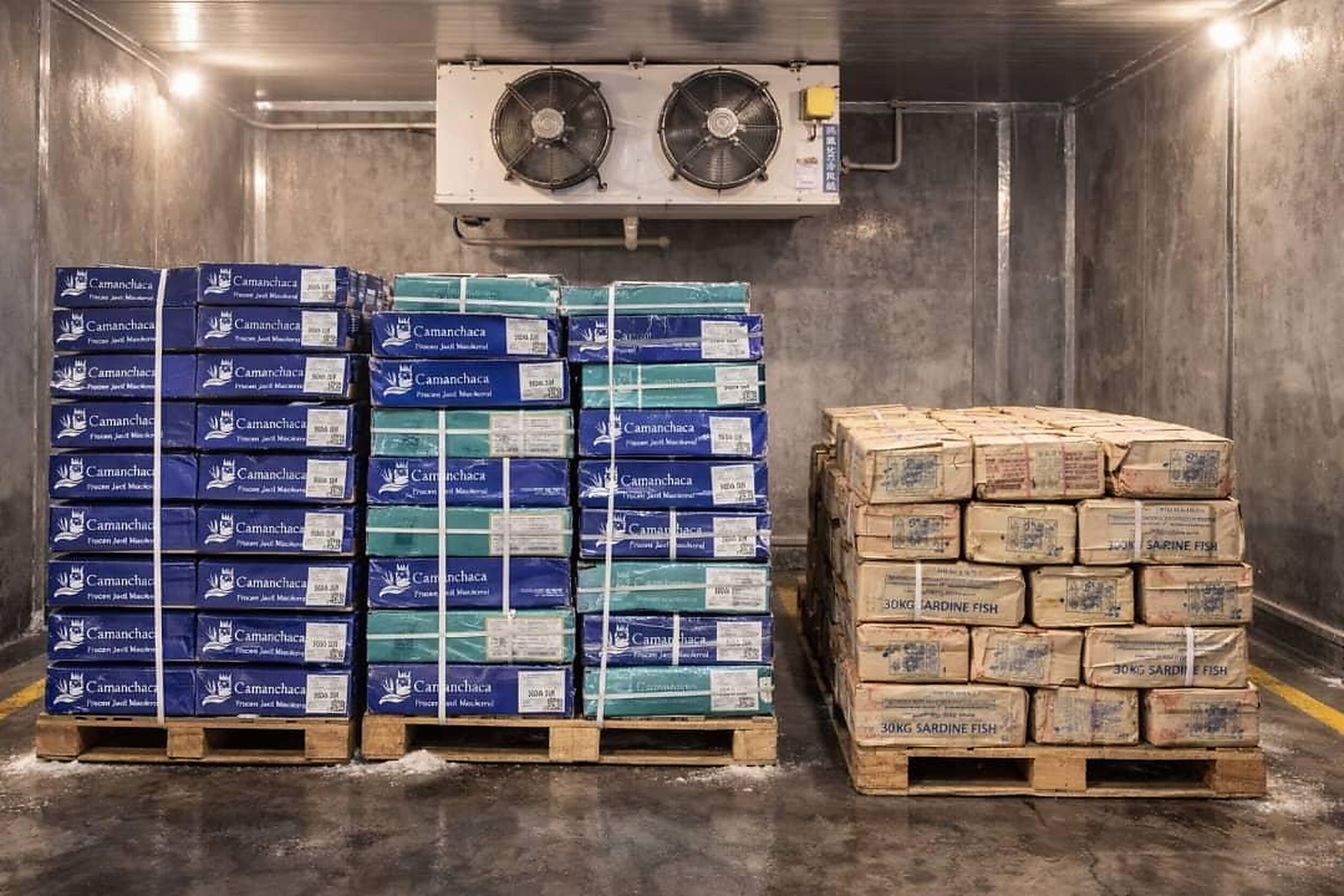
The World Bank has committed $200 million to expand fish and aquaculture production in Nigeria, with the money to be lent to state governments on concessional terms, BusinessDay reported on November 9, 2026.
The Minister of Marine and Blue Economy, Adegboyega Oyetola, announced the funding through Prof. Busayo Fakinlede, Senior Special Assistant to the President on Marine and Blue Economy, at a high-level executive training on the Aquaculture Investment Guide in Abuja. The ministry organised the training with the World Bank Group, Voice of Nigeria reported.
A 2.2 Million-Tonne Gap
Nigeria needs about 3.6 million tonnes of fish a year but produces about 1.4 million tonnes, up from 1.1 million tonnes, leaving a deficit of more than 2.2 million tonnes, according to BusinessDay. Closing that gap through imports costs the country close to $1 billion in foreign exchange every year.
"No nation can call itself food secure while it imports most of the fish it eats," Oyetola said in remarks delivered on his behalf, the same report stated. He described fish as "a pillar of food security, household nutrition and rural livelihoods."
States to Build Bankable Projects
The training brought together commissioners from Rivers, Bayelsa, Delta and Cross River states, along with permanent secretaries and directors responsible for fisheries and aquaculture. It covered business models, risk management, environmental and social safeguards, and public-private partnerships, with the aim of helping state officials prepare projects that lenders will finance.
Under a proposed state-driven aquaculture development framework, each state would identify priority value chains, assess its readiness for investment, build a pipeline of projects and commit to production targets, Voice of Nigeria reported. The ministry also plans a federal-state engagement platform and a post-training stakeholders' roundtable led by Oyetola.
Other Measures Under Way
The ministry cited several steps already taken. A Technical Committee on Accelerating Fish Production was inaugurated in August 2026, fish import licensing has been digitised, and Nigeria has secured certification for shrimp exports to the United States after meeting Turtle Excluder Device requirements, BusinessDay reported. A Fish City and Fish Terminal investment portfolio is being developed to draw private capital.
"Our ambition is to produce more, import less and, in time, become a net exporter," Oyetola said, according to Voice of Nigeria.
The facility has not been given a formal programme name, and neither report set out how much each state can borrow or when disbursement will begin.
FoodPrices Nigeria tracks protein prices, including crayfish and eggs, across Lagos markets. Whether the World Bank facility narrows the 2.2 million-tonne fish deficit will help decide how much Lagos households pay for one of their main sources of protein.
Editor Notes (do not publish): The two reports differ slightly in who said what: VON attributes the quotes to Oyetola but notes Fakinlede delivered them; I wrote "in remarks delivered on his behalf". VON's page lists two different bylines. I could not find a World Bank press release for this facility; if one appears, add it as the primary source. Quotes were read through a page summary tool, so check them word for word.