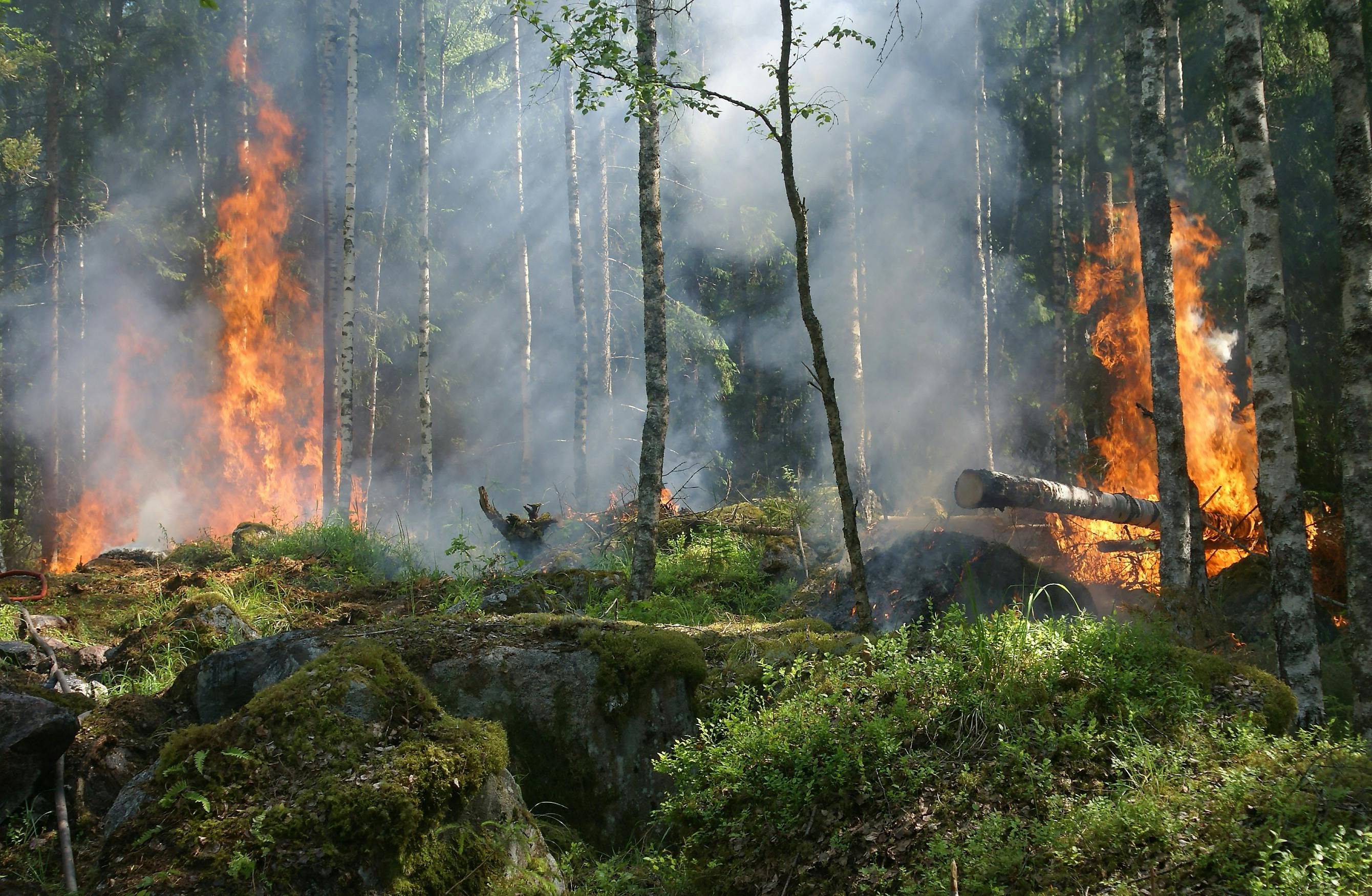
Oklahoma fire crews are battling several wildfires that have consumed more than 300,000 acres across Oklahoma and Kansas, creating one of the most destructive wildfire events in the southern Great Plains in recent years. According to KOSU (February 19, 2026), NASA's fire information system identified four massive blazes in western Oklahoma, led by the Ranger Road Fire in Beaver County, which alone has scorched 283,283 acres across both states.
Governor Kevin Stitt declared a state of emergency for Beaver, Texas, and Woodward Counties. KOSU reported that four firefighters have been injured in Beaver County and eight structures destroyed in Texas and Woodward Counties, including two at a local USDA facility. Approximately 4,000 people were evacuated from Woodward as the fire moved toward the city.
The fires have been particularly devastating for cattle ranching operations. KGOU (February 19, 2026) reported that Senator Casey Murdock, whose district encompasses all four major fires, confirmed one Beaver County rancher lost 51 cows while a Kansas producer lost 500 head. Murdock emphasised that ranchers spend lifetimes building their herds and genetic lines, and that loss extends far beyond monetary value.
Even producers who did not lose cattle directly face significant challenges, as fires burned thousands of acres of grazing land. As HPPR (February 20, 2026) noted, ranchers will need to purchase hay to feed their herds until grass regrows in the spring, creating an extended window of financial pressure.
In southern Kansas, families have lost generations-old farms, including pasture and cropland, cattle, and homes. According to KSNT (February 20, 2026), the human toll has been severe. The community response has been swift, with KWCH (February 19, 2026) reporting that Cowley County farmers are organising truckloads of hay donations for southwest Kansas cattle operations.
The fires were fuelled by a dangerous combination of drought conditions, large amounts of dry, dead or dormant vegetation, and high wind speeds, KOSU's reporting noted. Woodward Emergency Manager Matt Lehenbauer described the fire danger as extreme, noting the blaze broke out in a wooded area with abundant cedar trees — prime fuel that causes fires to burn higher and hotter.
CNN (February 17, 2026) confirmed that a 15,000-acre wildfire that started in Oklahoma exhibited extreme rates of spread as it crossed the state line into Kansas. KWCH (February 18, 2026) reported multiple towns were evacuated in western Kansas as fires continued to burn.
Oklahoma State University Extension specialists have been mobilised to assist producers with livestock care, emergency cattle nutrition, documenting losses, and carcass disposal. As the Oklahoma Farm Report (February 20, 2026) noted, Melanie Matt with the Woodward County OSU Extension said offices in affected counties are coordinating donations and connecting people with resources, including support for the emotional toll of the disaster.
RFD-TV (February 19, 2026) reported that the fires have burned over 283,000 acres across the Oklahoma Panhandle and into Kansas, threatening livestock across a region critical to America's beef supply chain. With the U.S. cattle herd already at a 75-year low, any additional livestock losses compound existing supply pressures in the beef market.
For global food markets, the wildfires add further strain to an already tight U.S. beef supply situation. The destruction of grazing land and potential cattle losses in Oklahoma and Kansas — both major cattle-producing states — could contribute to sustained upward pressure on beef prices domestically and reinforce the supply shortage that prompted the recent U.S.-Argentina beef import deal.