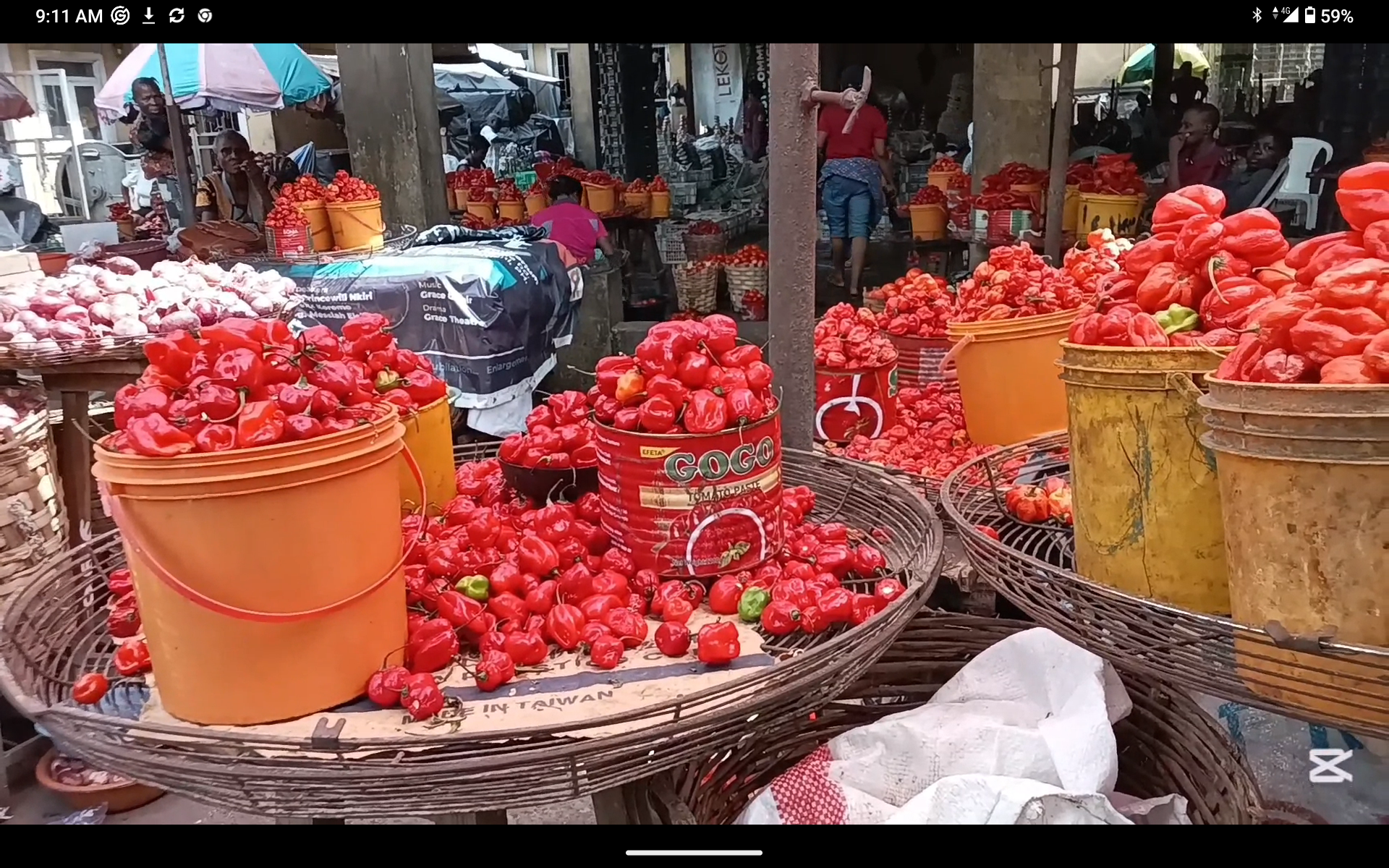
Most of the pepper sold in Lagos is grown elsewhere, with the north supplying the bulk of the volume that reaches southern markets. BusinessDay reported during a 2025 shortage that a Mile 12 trader, Yemisi Adegoroye, travelled to Kano to secure supply and could not find even ten bags to buy, with retailers rationing stock or seeking alternatives. That distance is the first thing to understand about pepper pricing. A Lagos market reflects a northern harvest, filtered through several hundred kilometres of road.
The Bottlenecks Sit Between Farm and Market
Agricultural economist Onafowora identified outdated transport systems, post-harvest losses, illegal levies, poor roads and limited cold chain infrastructure as the factors raising the cost of moving tomatoes and peppers to market, and argued that weather alone does not explain recurring shortages. He also linked the 2025 easing of tariffs and rise in food imports to reduced planting for the 2026 season, describing an approach in which short-term imports substituted for structural fixes. Pepper is unusually exposed to this because it is perishable, bulky relative to its value, and grown largely by smallholders with little leverage over freight.
Substitution Cuts Both Ways
Pepper and tomato demand are linked in the Nigerian kitchen, which means a shortage in one shifts pressure onto the other. HortiDaily reported traders at Nkpor Main Market saying households were buying only what they needed for immediate cooking and substituting tatashe and pepper for tomatoes to manage costs, with pepper, onions and tatashe remaining available while tomato supply stayed limited. Traders in the same report expected conditions to improve once rainfall reduced and harvesting from irrigated farms began. A household that switches from tomato to pepper during a tomato shortage adds demand to pepper at exactly the moment pepper supply may also be tightening.
The Watch List
The Organisation of Technologists for the Advancement of Cold Chain, Warehousing and Allied Services warned in July 2026 that onions and peppers were already seeing limited supply in major producing areas, and called for coordinated action from federal and state governments, the private sector and development partners to avert shortages over the following three months. Its president attributed the pressure to insecurity displacing farmers in northern Nigeria, reduced planting and inadequate storage. For Lagos buyers, the practical signal is the state of the northern harvest and the cost of moving it, not anything happening in a Lagos market that week.
For the products FoodPrices does track weekly, live prices: foodprices.ng/real-time-prices