West Africa's most significant agro-industrial trade event returns to Lagos in three weeks. Agrofood Nigeria 2026, the 11th edition of the annual trade show, opens at Landmark Centre on March 24 and runs through March 26, bringing together more than 100 exhibitors from 14 countries in what organisers describe as the largest international participation in the event's history, according to Nairametrics published March 3, 2026.
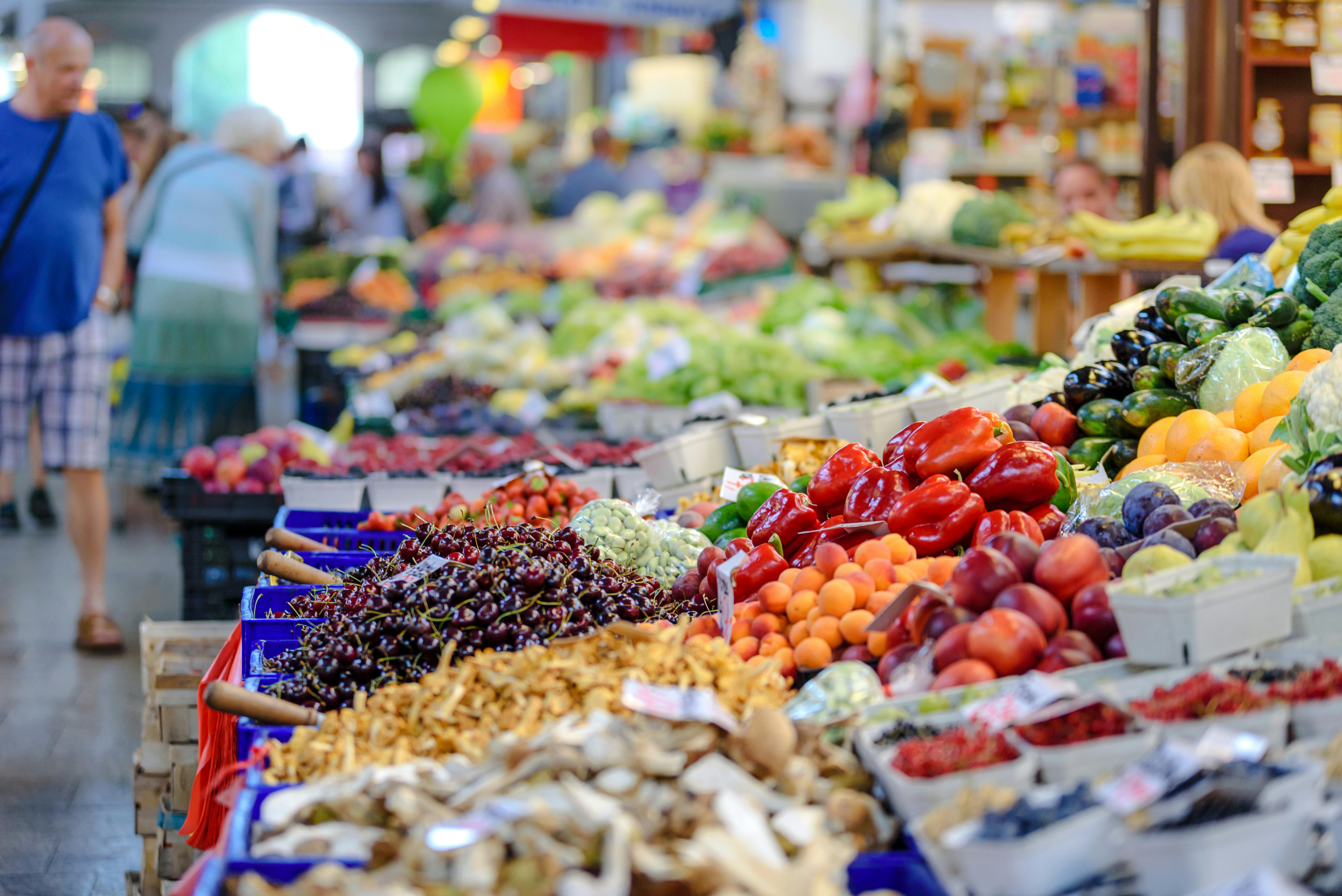
The timing is deliberate. Nigeria remains West Africa's largest food importer despite holding over 70 million hectares of underutilised arable land. Agriculture contributes above 22% of GDP, yet production gains consistently fail to translate into stable retail prices. Post-harvest losses of ₦3.5 trillion to ₦5 trillion annually, a cold chain operating at less than 4% of required national capacity, and limited domestic food processing infrastructure mean food grown in Nigeria routinely spoils before it reaches consumers. The result is visible at every Lagos market: tomatoes at ₦10,000 per paint bucket in one location and ₦25,000 in another on the same day, driven not by production scarcity but by storage and logistics failure.
The Netherlands, the world's second-largest agricultural exporter, headlines the 2026 edition as Guest of Honour, leading a national pavilion of approximately 20 Dutch companies presenting solutions across horticulture, seed and input technologies, greenhouse systems, food processing, agro-logistics, and climate-smart production, according to CNBC Africa's event briefing. Dutch agro-industrial expertise is directly relevant to Nigeria's most persistent food price failures. The Netherlands eliminated seasonal price volatility for perishables through precision-controlled greenhouse production and year-round cold chain infrastructure — exactly the systems whose absence drives price swings of 40 to 60% between harvest and lean seasons for tomatoes, pepper, and okro across Lagos markets.
For the first time, the Food Export Association of the Midwest and Northeast USA will introduce American suppliers to Nigerian food traders, representing companies from 13 Midwestern and 10 Northeastern states. Their presence at Agrofood Nigeria signals growing American commercial interest in Nigeria's food processing sector at a moment when global trade reorientation is creating new sourcing opportunities across developing markets. Additional confirmed national delegations include Belgium, Brazil, China, France, Germany, India, Malaysia, Poland, South Africa, the UAE, and the UK. The South Africa Western Cape Pavilion is specifically presenting export-oriented horticulture and processed food solutions tailored to West African market conditions.
The conference programme reinforces the event's food price relevance. Day 1 is anchored by Bismarck Rewane, CEO of Financial Derivatives Company, delivering a macroeconomic outlook examining inflation dynamics, foreign exchange exposure, and investment signals for Nigeria's food manufacturing sector. Day 2 features Yemi Kale, Group Chief Economist at Afreximbank, on trade intelligence for Nigeria's agro-industrial positioning within African continental markets.
Paul Maerz, Managing Director of fairtrade Messe and organiser of the event, framed the central challenge plainly: Nigeria's food problem has moved beyond production alone. The decisive question is how quickly the country can industrialise its food system, reduce post-harvest losses, deepen processing, and meet international quality standards. That industrialisation gap is why flour prices at Mushin and Agege markets track global wheat import costs rather than domestic production economics, and why cooking oil retail prices move with palm oil commodity cycles in Southeast Asia rather than local supply conditions.
For traders, processors, and food market observers, Agrofood Nigeria 2026 is the most concentrated annual opportunity to assess which supply chain technologies are commercially ready for the Nigerian market and which partnerships may close the cold chain gap within the next three to five years. Admission is free for trade visitors. Full registration details are available at agrofood-nigeria.com.