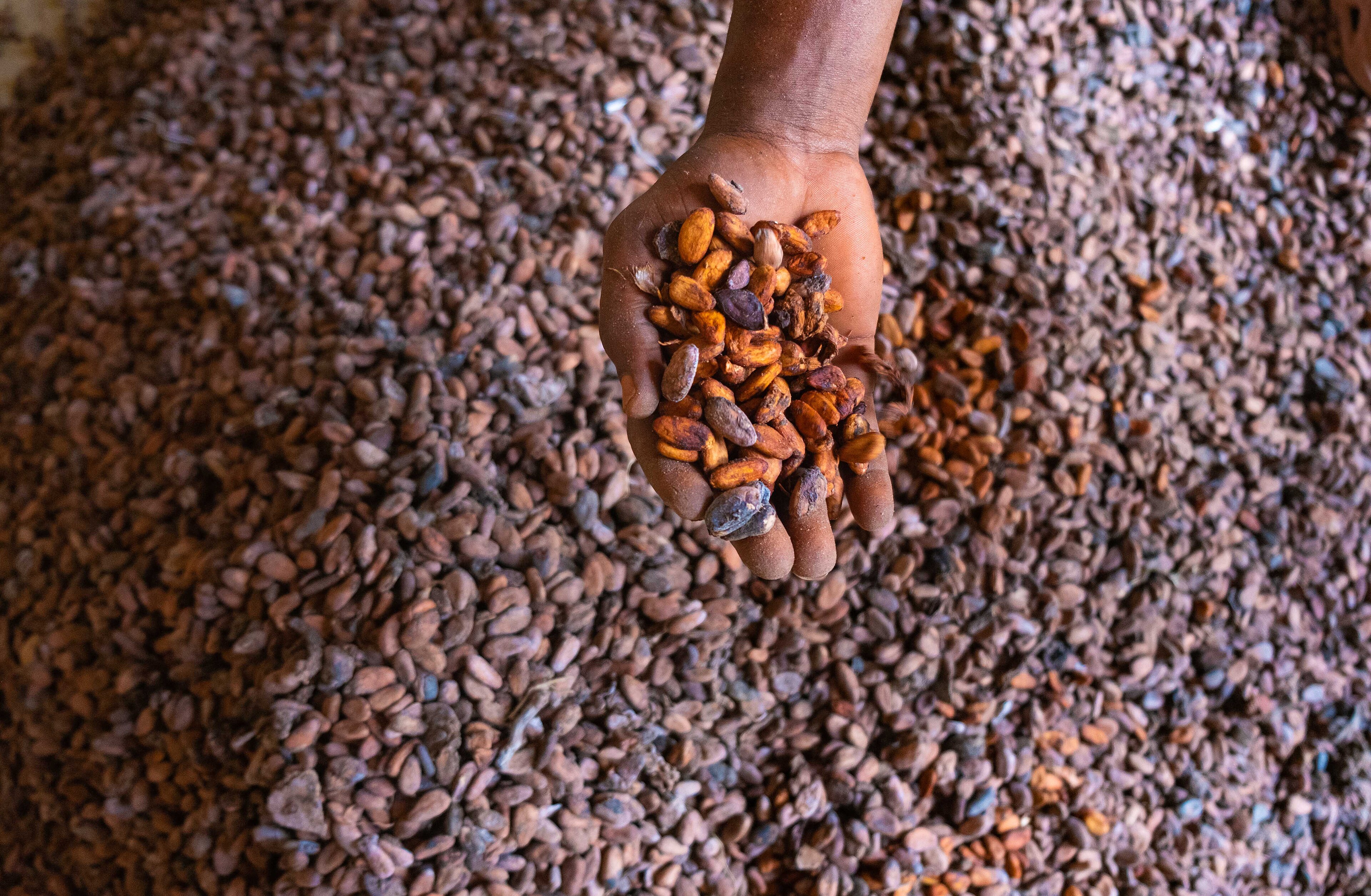
West and Central Africa's four largest cocoa producers have agreed to keep more of their beans at home. Nigeria, Ghana, Côte d'Ivoire and Cameroon, which together account for roughly two-thirds of global cocoa output, signed the Abuja Declaration on July 15, 2026, at the Cocoa Value Addition Summit in Abuja, committing to end raw bean exports, coordinate processing policy, harmonise industry standards and negotiate with international buyers as a single bloc, according to Trendtype. Speaking through the Minister of Agriculture and Food Security, Abubakar Kyari, President Bola Tinubu said Nigeria would stop exporting raw beans while importing finished chocolate, as Punch reported.
A Bloc From Bean to Brand
The alliance builds on a renewed pact between Ghana and Côte d'Ivoire, which together supply close to 60 per cent of the world's cocoa and agreed in Abidjan in June 2026 to open their initiative to other producers, according to Trendtype. At the Abuja summit, themed "From Bean to Brand," the group expanded to four and pledged to bargain with buyers as one bloc controlling about 75 per cent of global production, according to TheCable. The countries also agreed to adopt a common position on the European Union's Deforestation Regulation, which takes effect for large and medium cocoa operators on December 30, 2026, seeking recognition of their national traceability systems rather than passing compliance costs to smallholder farmers, TheCable noted.
Why Africa Wants the Value
The economic logic is stark. African nations produce close to 70 per cent of the world's cocoa yet capture less than 10 per cent of the roughly $130 billion global chocolate industry, according to Business Remarks. Cocoa is already Nigeria's single most valuable agricultural export, with superior-quality beans earning ₦596.9 billion in the first quarter of 2026, about 51 per cent of total agricultural exports, and cocoa-related products together contributing more than ₦643 billion, according to The Guardian.
A Ban, Then a Clarification
Tinubu's declaration was widely read as an outright ban, but the government moved quickly to soften that interpretation. Three days after the summit, Kyari clarified that the Federal Government had no plans to prohibit raw cocoa exports, stating that the objective is value addition, not an export ban, and that shipments would continue as processing capacity grows, according to Premium Times and allAfrica. He pointed to ongoing investment, including a 70,000-metric-tonne processing facility under construction in Sagamu, Ogun State, and said Nigeria's annual grinding capacity had passed 120,000 metric tonnes, Premium Times reported.
The Finance and the Cautionary Tale
To prevent a glut of unsold beans, the Bank of Industry is positioning itself as the financial backbone of the shift, having disbursed more than ₦164 billion to over 3,500 agro-processing businesses in 2025 and secured a €60 million credit facility from the European Investment Bank for the cocoa value chain, according to TheCable. History urges caution. When Nigeria banned raw shea nut exports in August 2025, prices crashed about 33 per cent within three days because processors could not absorb the surplus, and the government still extended the ban in February 2026, arguing the short-term pain was needed to force investment, according to Trendtype.
FoodPrices Nigeria tracks verified retail prices across Lagos markets and will watch whether keeping more cocoa at home lifts farmer earnings without squeezing the households that buy chocolate, drinks and confectionery.