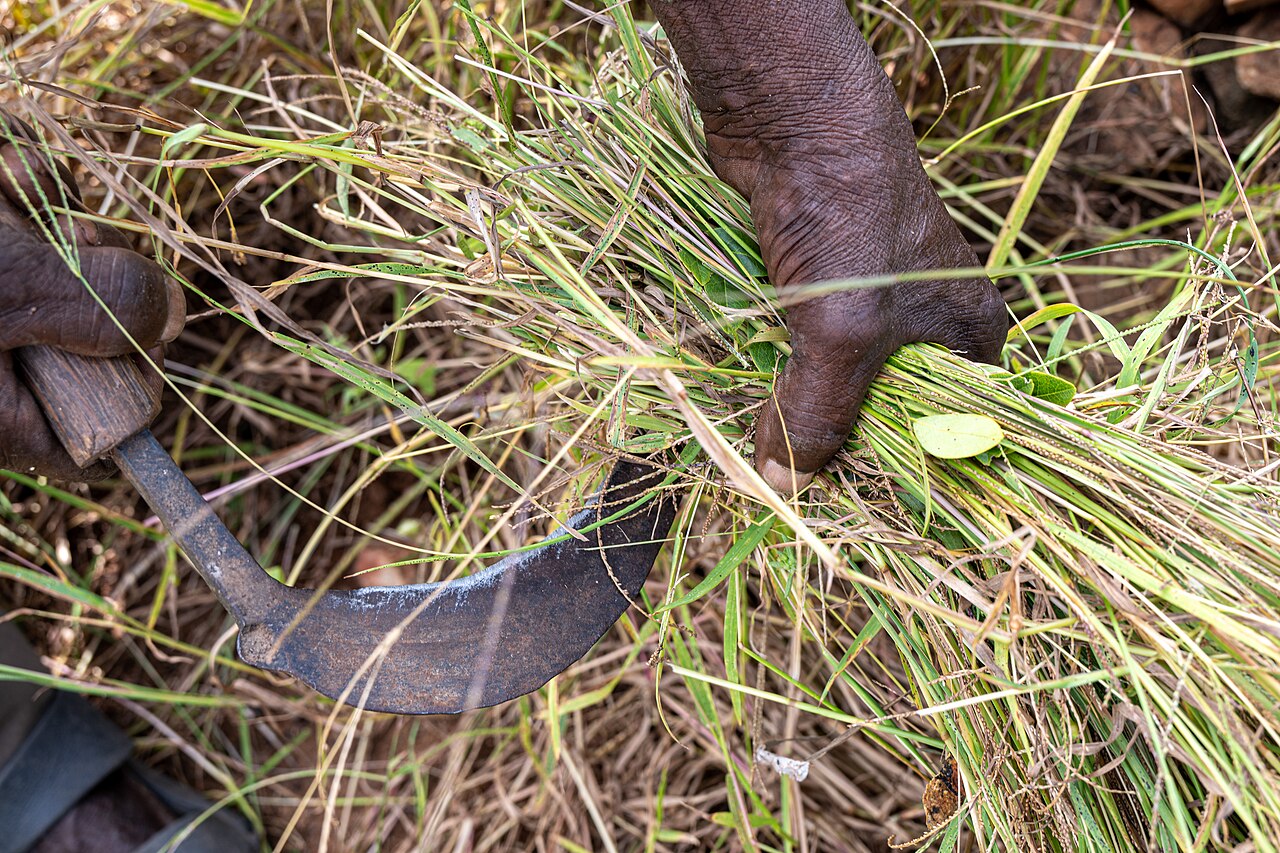
Nigeria's main grain belt is heading into a weaker harvest. BusinessDay reported on 17 September 2026 that rice production is projected at 8.3 million tonnes for 2026/27, a decline of 6%, while maize is projected at 10.9 million tonnes, down 5%.
Less Land Under Crops
The smaller harvest follows a fall in the area farmed. Rice cultivation is down 7% to 4.2 million hectares, and the area harvested for maize is down 8% to 4.8 million hectares, according to the report. Wheat remains a structural gap: domestic production is projected at just 140,000 tonnes against import needs of 7.2 million tonnes.
The pressure is concentrated in the states that feed much of the country. BusinessDay named Benue, Borno, Kaduna, Katsina, Kebbi, Kwara, Niger, Plateau, Sokoto and Zamfara among those affected.
Insecurity, Costs and Rain
The report identified several causes working together. Insecurity continues to cut farmers off from their land and from markets. Input costs remain high. Irregular rainfall and dry spells hit yields, and declining farmgate prices for maize have reduced the incentive to plant. Poor rural roads and unreliable irrigation add to the burden.
Ubale Sani, an agricultural economist at Bayero University, told BusinessDay that northern agriculture is constrained by "insecurity, high production costs, inadequate infrastructure and climate variability."
Some States Push Back
State governments are trying to recover lost ground. Ahmed Maiyaki, Kaduna State Commissioner for Information and Culture, said the state had recovered "500,000 hectares of farmland previously controlled by bandits," and had distributed 500 trucks of fertiliser to more than 150,000 smallholder farmers, according to BusinessDay.
What It Means Down the Supply Chain
A smaller northern harvest travels south. Rice and maize from these states supply mills, feed producers and markets across the country, Lagos included. BusinessDay noted that the weaker harvest is expected to prolong food price pressure and reduce household purchasing power, and could increase competition among processors and millers for available grain.
FoodPrices Nigeria will track whether the projected shortfall in rice and maize output shows up in grain prices across its Lagos market network as the harvest comes in.
#FoodPrices, #Lagos, #Nigeria, #Harvest, #Maize, #FoodSupply, #NorthernNigeria