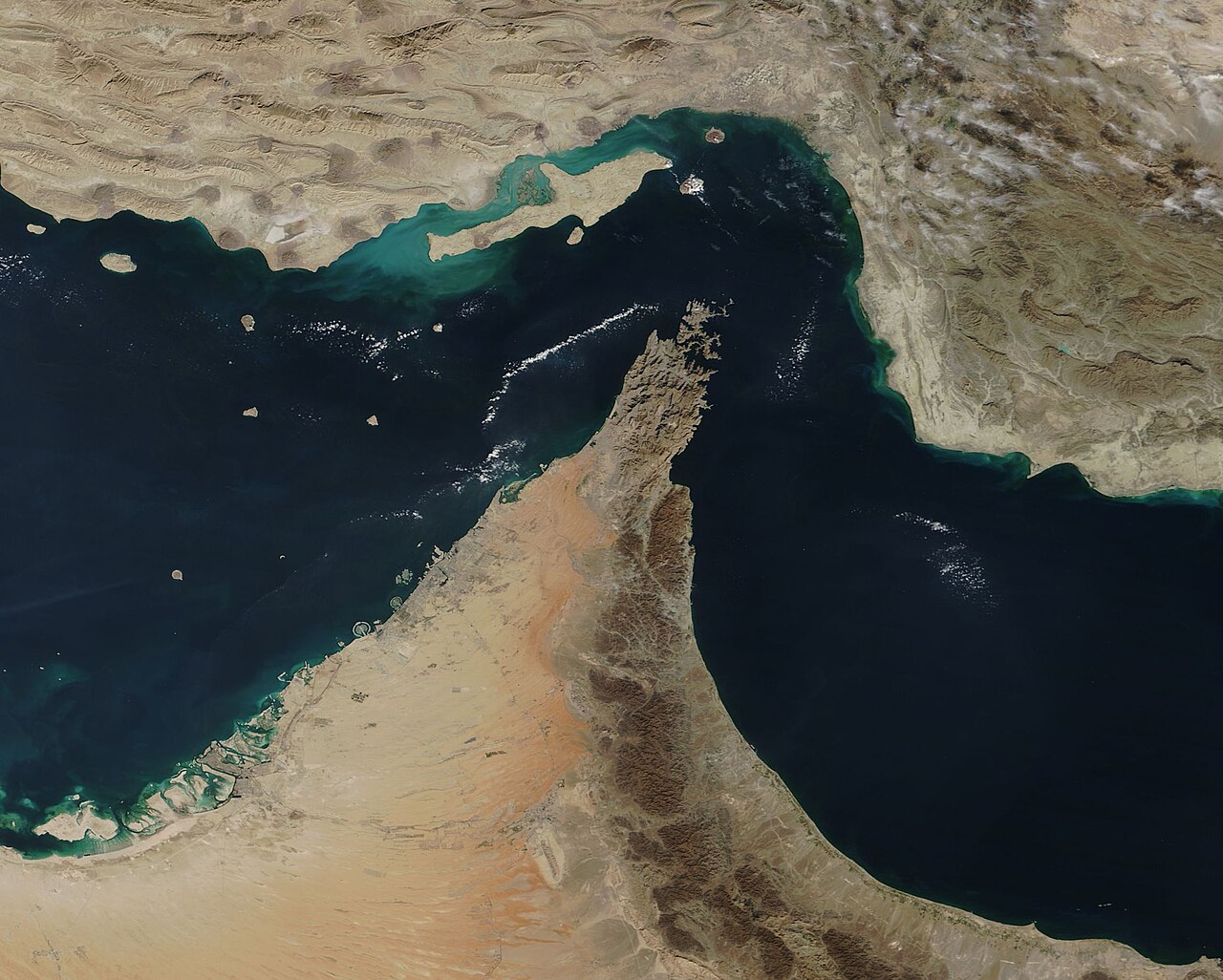
The cost of the world's most important farm input is climbing fast, with consequences that will eventually reach every plate. The World Bank's fertiliser price index rose more than 12 per cent in the first quarter of 2026, its sixth increase in seven quarters and its highest level since October 2022, driven mainly by disruption to the Strait of Hormuz, according to the World Bank.
A Chokepoint Under Pressure
The waterway handles nearly a third of global seaborne fertiliser trade, about 16 million tonnes a year, and its disruption sent urea prices jumping 53.7 per cent month on month in March to $725.6 per tonne, the highest in four years, as Ecofin Agency reported. The World Bank has warned that the fertiliser index could rise more than 30 per cent across 2026, and that the average urea price could exceed the $700 per tonne seen in 2022, marking its second-highest real level since 1974.
Nitrogen Is the Weak Point
Nitrogen fertilisers like urea sit at the centre of the crisis because, unlike potash or phosphates, they cannot be skipped for a season, one portfolio manager told CNBC, which noted that natural gas accounts for the bulk of the cost of making the ammonia that urea depends on. The strain is compounded by trade politics, with China suspending phosphate fertiliser exports and Belarus, a major potash supplier, under sanctions, according to Fertilizer Daily, which reported that seven in ten United States farmers could not afford all the fertiliser they needed for the 2026 crop.
Fertiliser costs feed straight into harvest sizes and, ultimately, food prices in an import-dependent country like Nigeria. FoodPrices Nigeria tracks verified retail prices across Lagos markets, where the cost of growing food abroad and at home eventually reaches the shopper.
#Fertiliser #Urea #StraitofHormuz #WorldBank #CommodityPrices #GlobalFood #FoodPrices, #Nigeria #Agriculture #Inputs