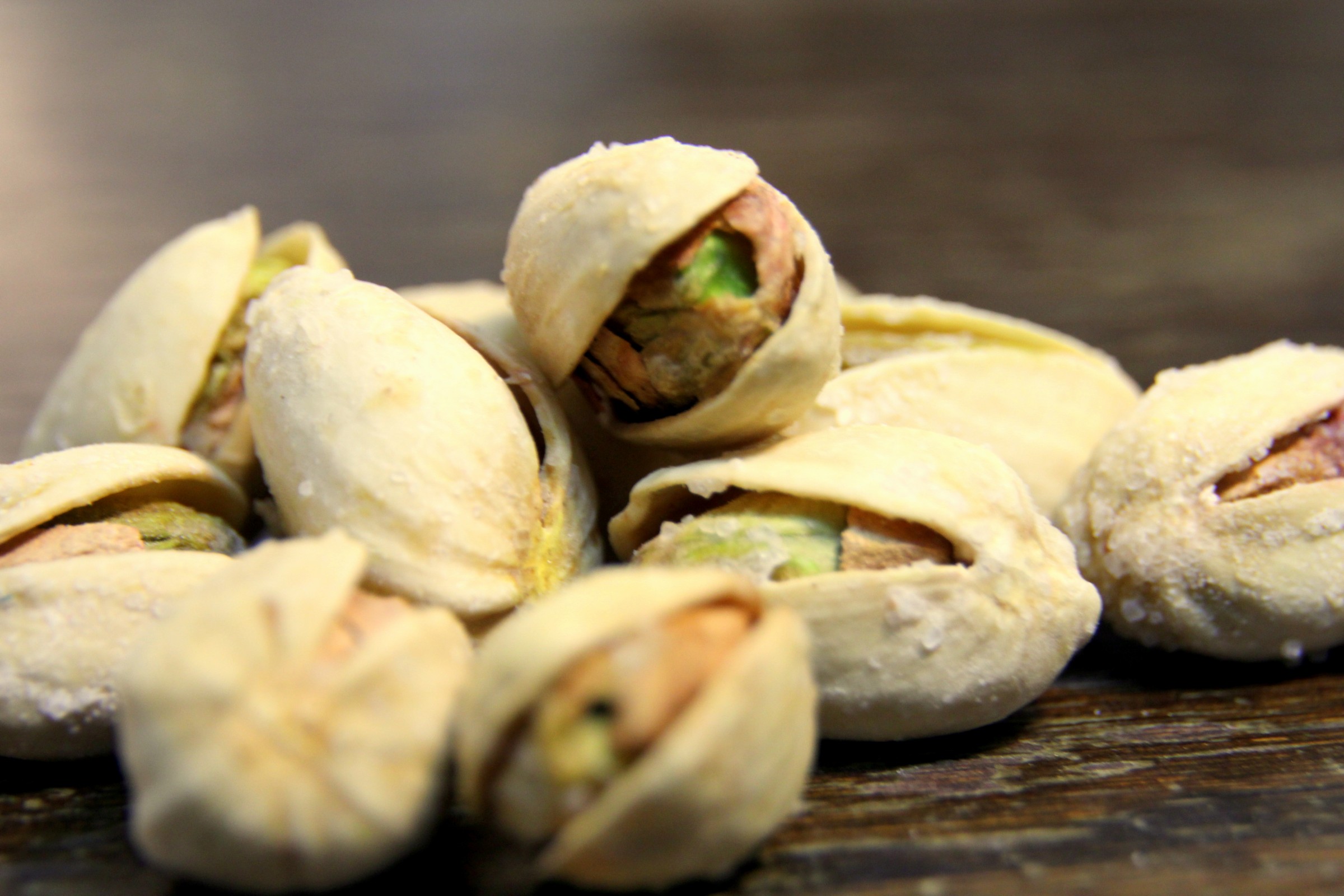
The humble pistachio has become one of the food world's tightest markets, with prices climbing to their highest level in eight years in 2026 as war-related disruption to Iran's exports collides with runaway demand for a viral chocolate bar. Iran is the world's second-largest pistachio producer, and conflict has cut its shipments by roughly 40 per cent while pushing prices up about 30 per cent in some segments, according to The Supply Chainer.
The Dubai Chocolate Effect
Much of the demand shock traces back to a single product. A pistachio-filled bar known as Dubai chocolate went viral on social media, and the resulting scramble for kernels helped push pistachio prices from about $7.65 to $10.30 per pound in under a year, a jump of roughly 35 per cent, according to The Ag Center. That report noted the surge was compounded by a weak United States harvest, which reduced the supply of the shelled kernels that chocolatiers need, while Iran lifted its exports to the United Arab Emirates by 40 per cent to chase the trend.
A Small Market, Big Swings
Pistachios are a niche crop by global standards, with production of roughly 1.2 million tonnes in the 2024/25 season, which makes the market unusually sensitive to shocks, as The Supply Chainer explained. Because the nut is both a snack and a key ingredient in premium confectionery and desserts, a squeeze in one corner quickly ripples across several product categories, tightening supply for manufacturers worldwide.
The pistachio story is a reminder that viral demand and geopolitics can reshape a commodity in months, and that import-dependent markets feel it last but not least. FoodPrices Nigeria tracks verified retail prices across Lagos markets, where the cost of imported chocolate and premium nuts ultimately reflects these distant shocks.