Nigeria's food-security outlook could come under renewed pressure as the 2026 harvest approaches, with reduced cultivation, insecurity, high input costs and climate variability threatening the volume of staples expected from the north, according to BusinessDay. The warning rests on fresh projections from the United States Department of Agriculture's Foreign Agricultural Service.
Rice and Maize Both Slip
The numbers point downward. The agency projected Nigeria's 2026/27 rice production at 8.3 million tonnes, a 6 per cent decline from 8.8 million tonnes the previous year, with rice cultivation forecast to fall 7 per cent to 4.2 million hectares, according to BusinessDay. Maize is expected to follow the same path, with production projected at 10.9 million tonnes, 5 per cent below the prior year, and harvested area down 8 per cent to 4.8 million hectares, a decline the agency attributed largely to high input costs and falling farmgate prices, the same report noted.
A Widening Wheat Gap
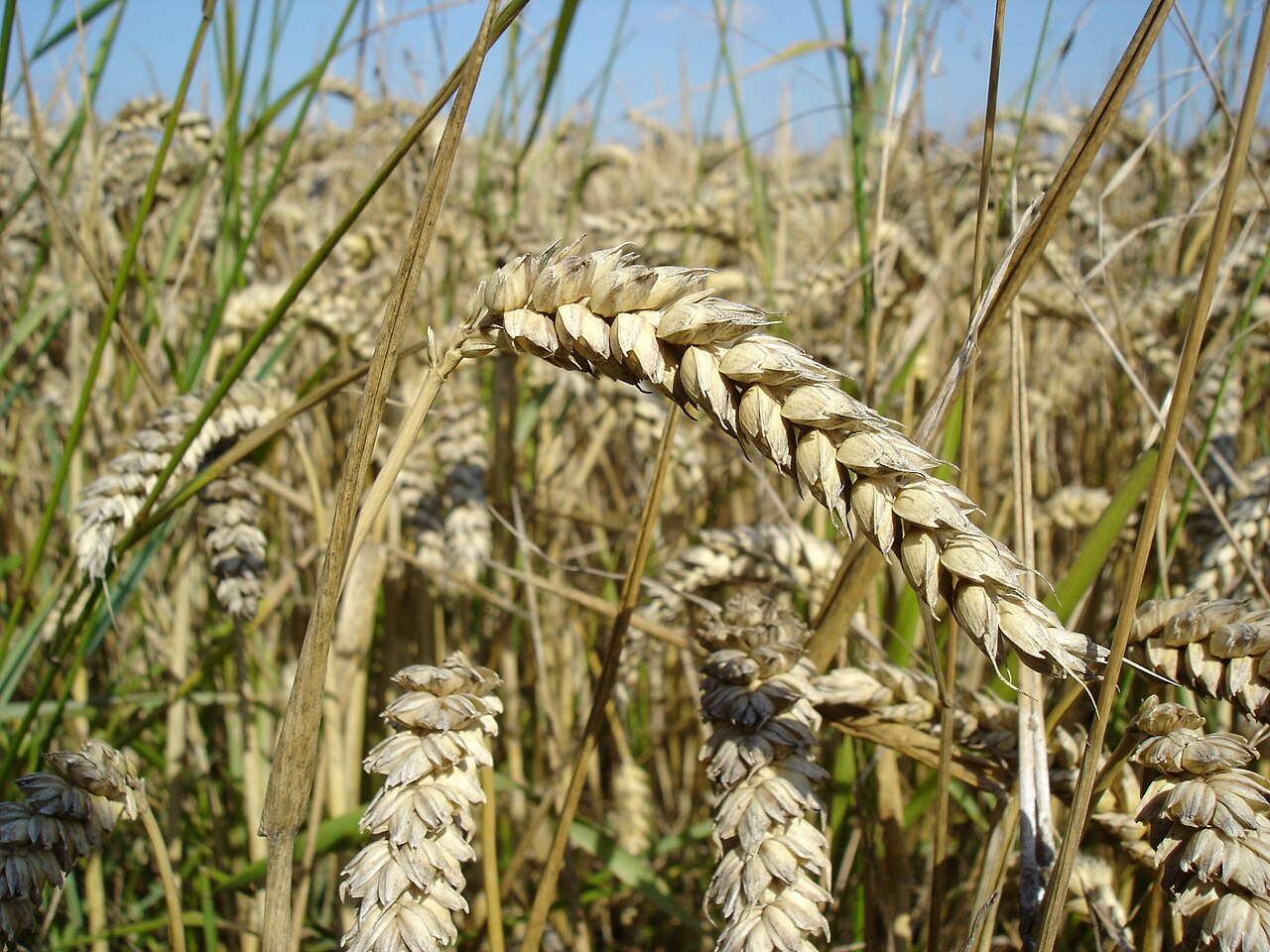
Wheat remains the starkest imbalance. Local production is projected at only 140,000 tonnes in 2026/27 against consumption estimated at 6.8 million tonnes, leaving imports expected to rise to 7.2 million tonnes to fill the gap, according to BusinessDay. That dependence keeps the price of bread and other wheat products tied to global markets and the naira exchange rate, well beyond the reach of domestic policy.
Why the North Decides the Price
The concern is concentrated where most of the country's grain is grown. An agricultural extensionist and researcher at Bayero University, Kano, Ubale Sani, said the performance of northern agriculture would remain critical to Nigeria's food-security prospects because the region's production is constrained by insecurity, high production costs, inadequate infrastructure and climate variability, according to BusinessDay. The same report noted a paradox for the season: even where restored access is returning farmland to production, national output can still weaken if productivity, security, input affordability and market access do not improve together.
A thinner harvest tends to keep staple prices firm long after the season ends. FoodPrices Nigeria tracks verified retail prices for rice, maize and wheat-based products across Lagos markets, the ground-level gauge of whether this year's harvest eases the pressure on households.
#USDA, #Rice, #Maize, #Wheat, #FoodSecurity, #Nigeria, #Lagos, #FoodPrices, #Harvest, #Imports