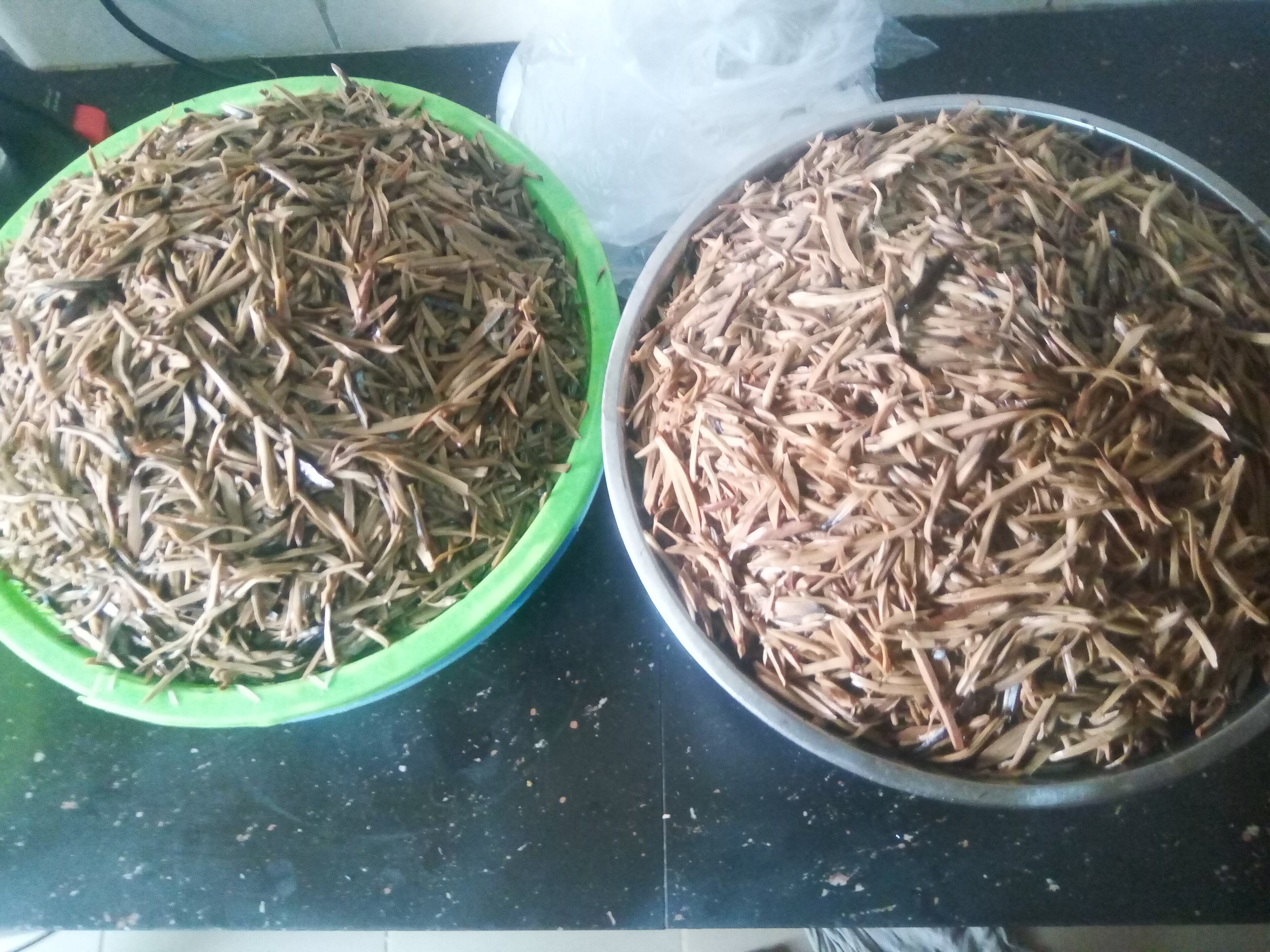
Slice into a plate of abacha or nkwobi in eastern Nigeria and the tangy, slightly slimy shreds folded through it are ugba, the fermented seeds of the African oil bean. Also called ukpaka, it is both a delicacy and a flavouring, and above all a cheap source of plant protein, eaten by an estimated 15 million people in eastern Nigeria alongside tapioca, stockfish and garden eggs, according to a review in the Pakistan Journal of Biological Sciences.
Protein From a Poison, Tamed by Fermentation
What makes ugba remarkable is the chemistry behind it. The raw seeds of Pentaclethra macrophylla are inedible, carrying toxic alkaloids and saponins, and it is alkaline fermentation over several days that neutralises those anti-nutritional factors and unlocks a protein-rich, probiotic food, according to a study in the International Journal of Microbiology. The result is a nutritious condiment that has long served as an affordable protein for households whose staples are otherwise low in it, according to a biotechnology review hosted by the National Center for Biotechnology Information.
A Family Craft With No Rulebook
The weakness lies in how it is made. Ugba is produced as a small family business using rudimentary equipment and natural fermentation handed down across generations, a process that varies from one producer to the next and raises persistent questions about product safety, quality and consistency, according to the NCBI review. Two batches from two homes can differ sharply, and without standard methods or hygiene controls, buyers have little assurance of what they are getting. Researchers have shown a path forward, with pasteurisation eliminating microbial growth, cutting fermentation time and pointing toward canning and large-scale production, according to the International Journal of Microbiology.
A Diaspora Already Paying
There is a market ready for a safer, standardised product. Dried ugba is already packaged and sold to the diaspora through online African grocers, marketed as a traditional Igbo delicacy for salads, soups and stews, as listings from retailers such as Majestic Organic Store show. A food eaten by millions at home and shipped abroad in dried form is being held back not by demand but by the absence of the processing, packaging and standards that would let it scale safely.
FoodPrices Nigeria tracks verified retail prices across Lagos markets and follows the local foods that feed households cheaply. Bringing hygiene, preservation and consistent standards to ugba would protect a beloved protein, cut waste and open a wider market for the families who make it.