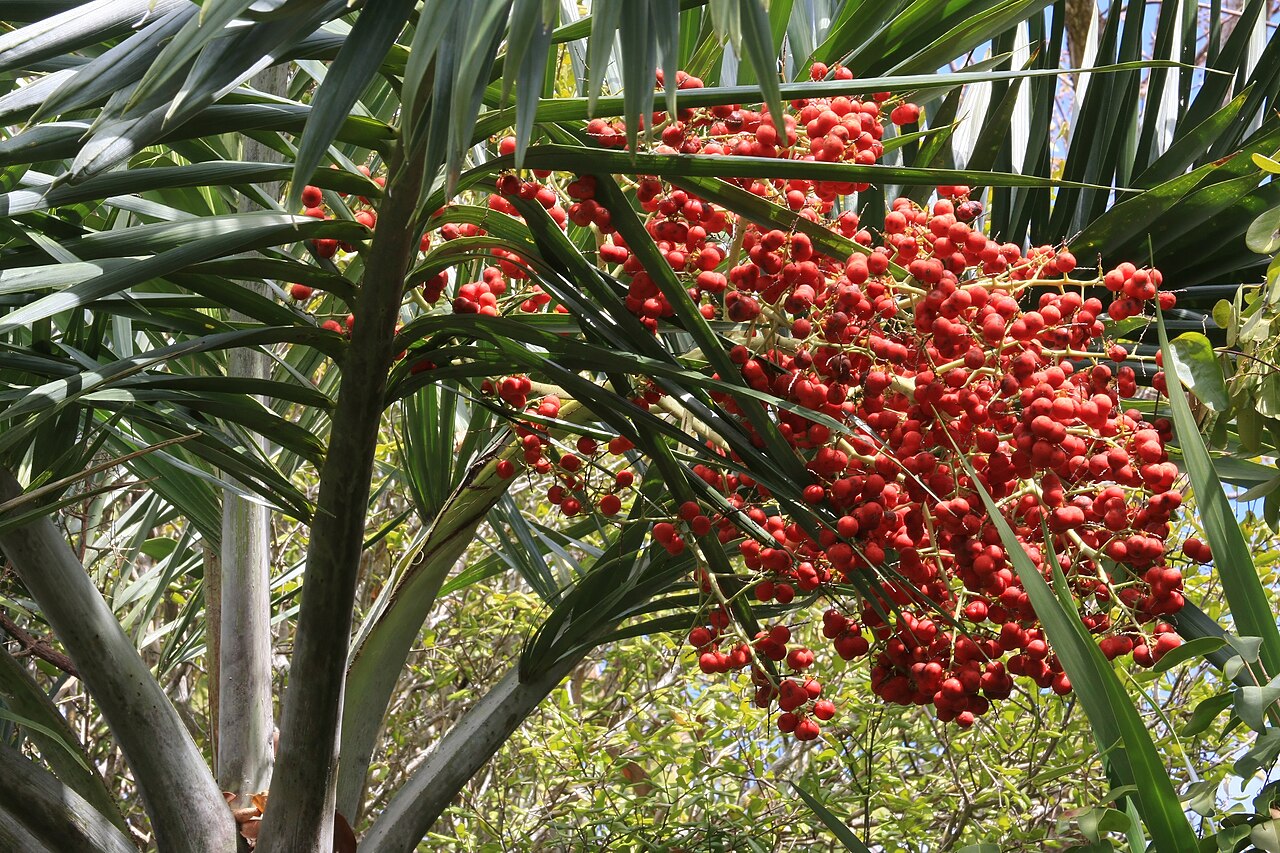
Nigeria holds a natural advantage in date farming that no other country on earth can claim, yet it still buys most of its dates from abroad. Nigeria is the only country where date palms enjoy two fruiting seasons a year, a benefit of its savannah climate, even though the crop originated in North Africa and the Middle East where it fruits only once, according to Daily Trust.
A Double Harvest, Squandered
Despite that edge, the country produces less than 20 per cent of what it consumes and imports the remaining 80 per cent, Daily Trust reported. The date-growing belt runs across the North West and North East, with dry-season trees flowering around January and February and ripening in June and July, while rainy-season trees flower around September and October and ripen the following February and March. National output has been estimated at just over 21,000 metric tonnes, according to research from the Nigerian Institute for Oil Palm Research, which noted that cultivation has long been restricted to compounds and homesteads rather than commercial plantations.
Why Output Stays Low
Part of the problem is planting material. Many local date farmers do not use improved hybrid seedlings, which limits yields and quality, according to the officer in charge of the Institute's date palm research substation in Dutse, Jigawa State, as reported by Daily Trust. Interest in the crop has been recovering in recent years as farmers respond to rising demand for locally produced, sustainable food, according to AgroNigeria, but production still trails far behind the leading global growers such as Egypt, Iran and Saudi Arabia, as documented by a global dates industry overview.
A Market Worth Owning
The commercial case is strong. Dates are nutrient-dense, storable and command premium prices, and demand spikes each year around Ramadan when the fruit is used to break the fast, according to the Nigerian Institute for Oil Palm Research. With two harvests a year and a large domestic market already buying imported fruit, closing the gap through improved seedlings, irrigation and processing would keep foreign exchange at home and lift incomes for northern farming communities, according to AgroNigeria.
A crop the country could dominate but instead imports is a straightforward drain on food spending. FoodPrices Nigeria tracks verified retail prices across Lagos markets and follows the staples and specialty foods where local production could ease the import bill.
#DatePalm, #Dates, #ImportSubstitution, #Agriculture, #Nigeria, #Lagos, #FoodPrices, #NIFOR, #Farmers, #FoodSecurity