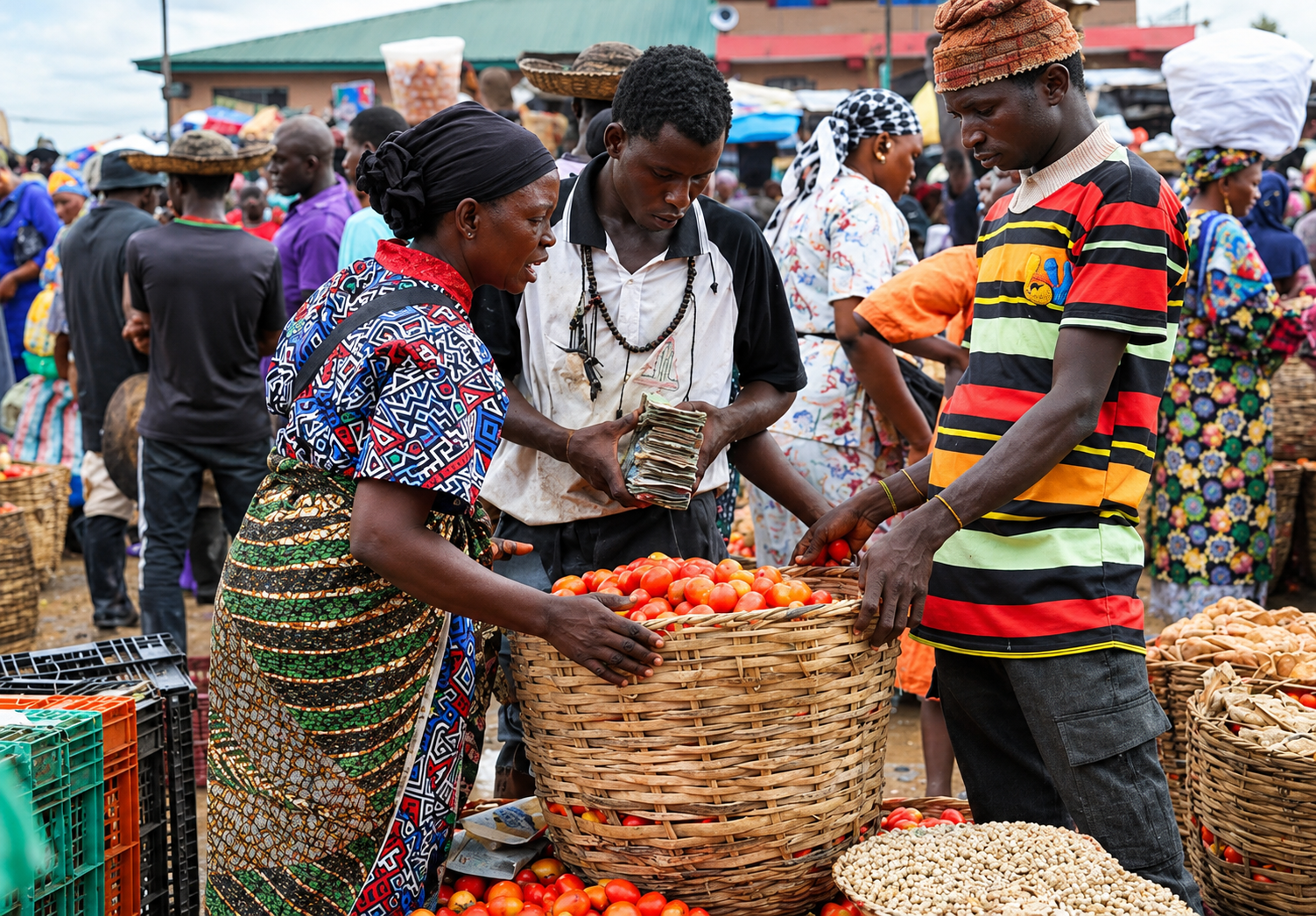
Nigerians could face another round of food price shocks within months, according to a commodity traders' association that has warned of tightening supplies of rice, tomatoes and other staples. The Organisation of Traders, alongside allied commodity and workers' groups known as OTACCWA, said supplies could tighten significantly over the next three months, driven by declining farm production, insecurity, rising transport costs and inadequate storage, as Legit.ng reported.
A Rice Crop Under Pressure
The association's president said rice was the biggest concern, with production projected to fall about 6 per cent to roughly 8.3 million tonnes and the area planted down about 7 per cent to 4.2 million hectares, a decline the United States Department of Agriculture has also flagged at around 5 per cent year-on-year, according to All Time Post. He warned that stronger agricultural growth recorded in the first quarter of 2026 had not translated into improved supply, because production gains were being offset by post-harvest losses, reduced planting and insecurity in producing communities, as DMarketForces reported.
Tomatoes, Onions and the Cost of Moving Food
Tomatoes face similar strain, with shortages expected to persist until the late harvest season in October, while onions and peppers are already tightening in major producing areas and pushing prices up, according to All Time Post. Logistics is compounding the squeeze, with the cost of moving a tonne of grain from Kano to Lagos rising to about ₦70,000 from ₦45,000, and some routes seeing fares double or triple. Dealers quoted a 50kg bag of local rice at between ₦85,000 and ₦105,000, according to Legit.ng.
A Call for Action
The association urged coordinated intervention by the Federal Government, state governments, the private sector and development partners to avert shortages of rice, tomatoes, peppers, onions and other staples, warning that Nigeria would continue to lean heavily on wheat imports of about 7.2 million tonnes, according to DMarketForces. Its core message was that Nigeria produces enough food in many sectors, but too much is lost before it reaches consumers.
FoodPrices Nigeria tracks verified retail prices for rice, tomatoes, onions and pepper across Lagos markets, the earliest place any such tightening would show up for households.