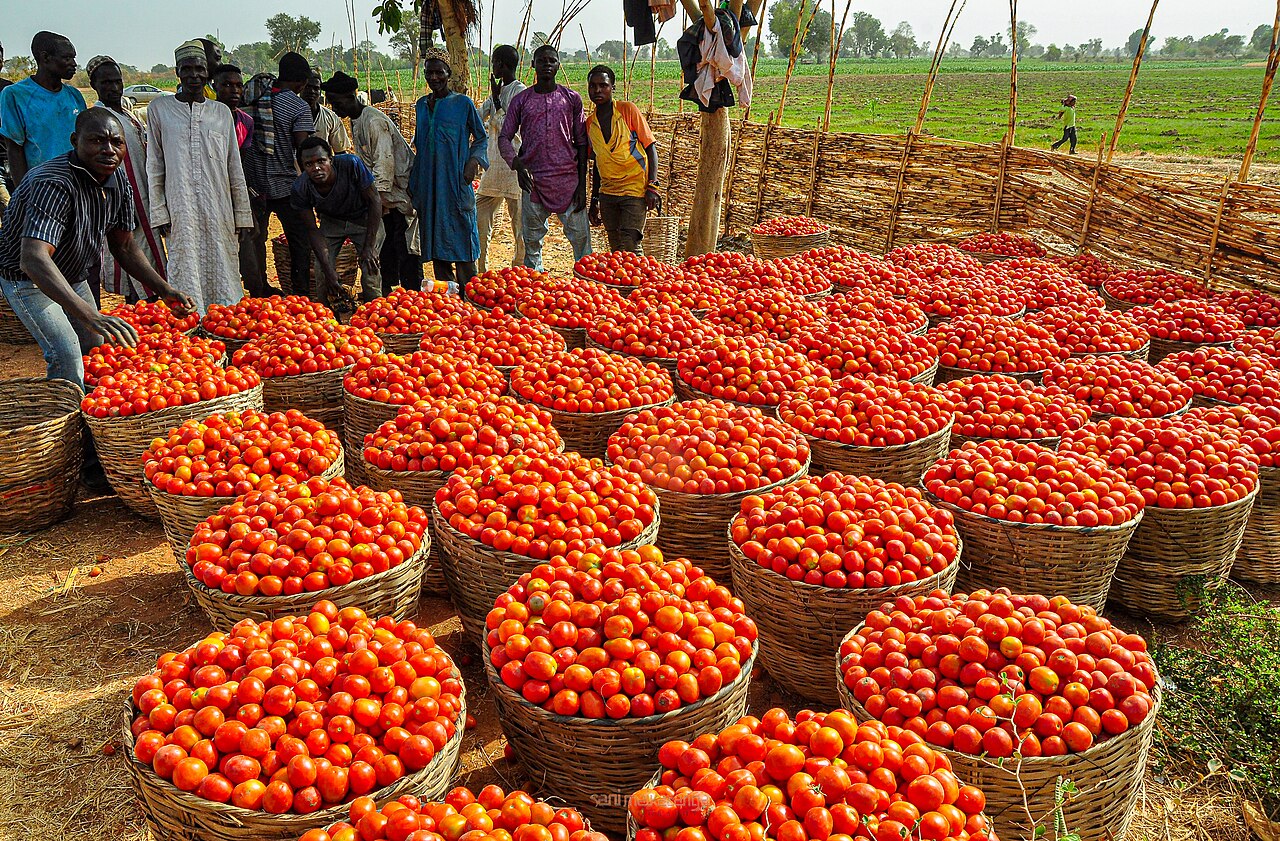
Rising farm input costs, led by seeds, are keeping tomato prices high, the Tomatoes and Orchard Producers Association of Nigeria (TOOPAN) has said. Its national president, Oyeleke Bola, linked the increase to the naira's depreciation against the dollar, Vanguard reported on October 19, 2026.
"Tomato farmers used to buy seeds for between N20,000 and N25,000, but now they cost between N35,000 and N40,000," Bola said, according to Vanguard. That is a 75% increase at the bottom of the range, from ₦20,000 to ₦35,000, and a 60% increase at the top, from ₦25,000 to ₦40,000. "The cost of production per hectare is high now," he added.
Bola said fertiliser costs are also high, but that the Bank of Agriculture is helping to cushion them.
Earlier Cost Warnings
The association has warned about production costs before. In July 2026, Bola told the News Agency of Nigeria that the cost of cultivating one hectare of tomatoes had risen from about ₦300,000 to nearly ₦2.5 million, and that higher costs had kept many smallholders from planting this year, NAN reported. "Many farmers cannot afford the current cost of production," he said then.
In June, Bola had forecast relief from the new harvest. "We will be looking at October 2026; prices will crash by that time," he said, Food Business MEA reported on June 17, 2026. The same report put Nigeria's annual tomato output at 1.8 million to 2.3 million metric tonnes.
Official data shows some easing. The National Bureau of Statistics listed tomatoes among the items whose average prices fell in September 2026, as food prices dropped 1.55% month on month, Vanguard reported.
Processing and Dryers to Cut Losses
TOOPAN is exploring tomato paste production, solar dryers and hydro dryers to reduce post-harvest losses, and plans solar dryers in up to 16 states, according to Vanguard. "We intend to establish hubs where women can use the facilities to reduce post-harvest losses," Bola said.
Research institutions under the Federal Ministry of Agriculture and Food Security are working on solar-drying technology, and the African Union is reportedly exploring investment, Bola said. The association is also seeking private investors for processing and preservation facilities.
The group aims to raise yields from 25 tonnes to 80 tonnes per hectare. "We are working very hard to ensure that we increase production," Bola said, The Eagle Online reported.
National Conference Next Month
TOOPAN will hold the Third National Tomato Conference in Abuja on November 26 to 27, 2026. The conference will cover production, irrigation, land preparation, tractorisation and industrialisation, Vanguard reported.
FoodPrices Nigeria tracks tomato prices by paint and basket across Lagos markets. Its captures over the coming weeks will show whether the harvest growers forecast for October outweighs the seed costs they say are keeping prices up.