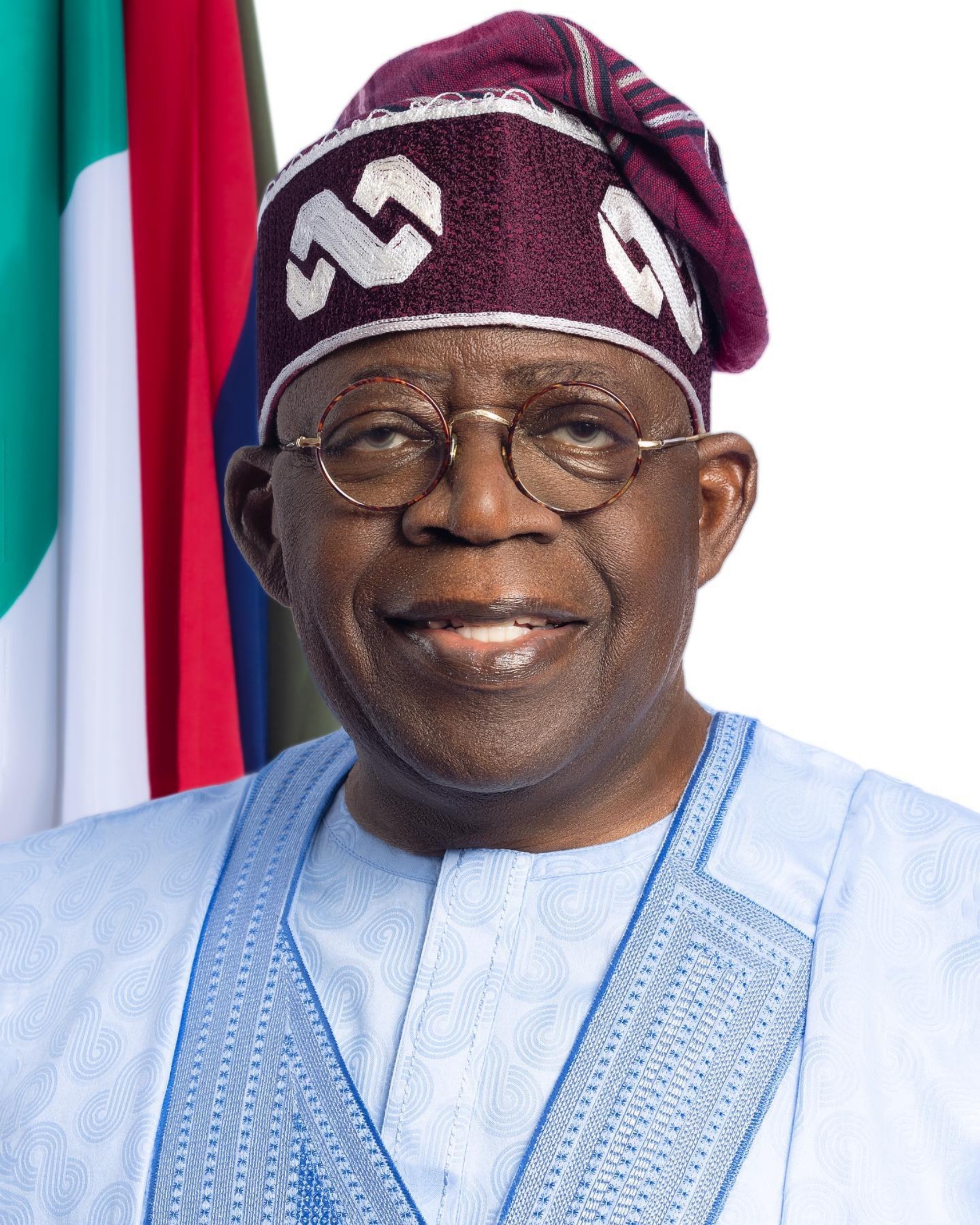
President Bola Tinubu has put the price of food at the centre of his 66th Independence Day address. "Our priority is to bring down the cost of living. We will achieve this by lowering the cost of producing and moving the things Nigerians consume," he said on 1 October 2026, Premium Times reported.
What Was Promised
The president listed the measures his government intends to pursue: expanding mechanised irrigation, promoting dry-season farming, improving access to seeds and fertilisers, investing in storage and reducing post-harvest losses. He also pledged to build and complete roads, railways and ports that connect farms to markets, according to The Sun.
He set out the reasoning in one sentence. "When a farmer produces more cheaply, when fewer crops are lost between the farm and the market, when a manufacturer spends less on electricity, when a truck reaches its destination faster, and when the business environment fosters fair competition, all those savings will ultimately find their way into the price of goods in the market," Tinubu said.
Farmers Respond
Agricultural stakeholders welcomed the direction and asked for specifics, Peoples Gazette reported. Sakin Agbayewa, chairman of the All Farmers Association of Nigeria in Lagos, said: "President Bola Tinubu's administration has been trying to reduce the cost of production for us farmers, and he has done well."
Omotunde Banjoko, a farmer and agriculture analyst, called it "a welcome development that President Tinubu's administration wants to reduce the cost of production in the agricultural sector." Ismail Olawale, a strategic agriculture communication expert, described lower production costs as "a good promise."
Their requests were concrete: more funding for farmers, subsidised inputs, mechanisation equipment at subsidised rates in every local government area, an end to imports of produce Nigeria can grow, and a policy approach that covers the whole value chain.
The Test Is at the Market
The speech named no targets or dates for any of the measures. That leaves the market as the measure of success. If production and haulage costs fall as promised, the effect should show in what traders charge for rice, garri, tomatoes and pepper.
FoodPrices Nigeria tracks those prices across Lagos markets every week and will report whether the Independence Day pledge reaches the stalls.