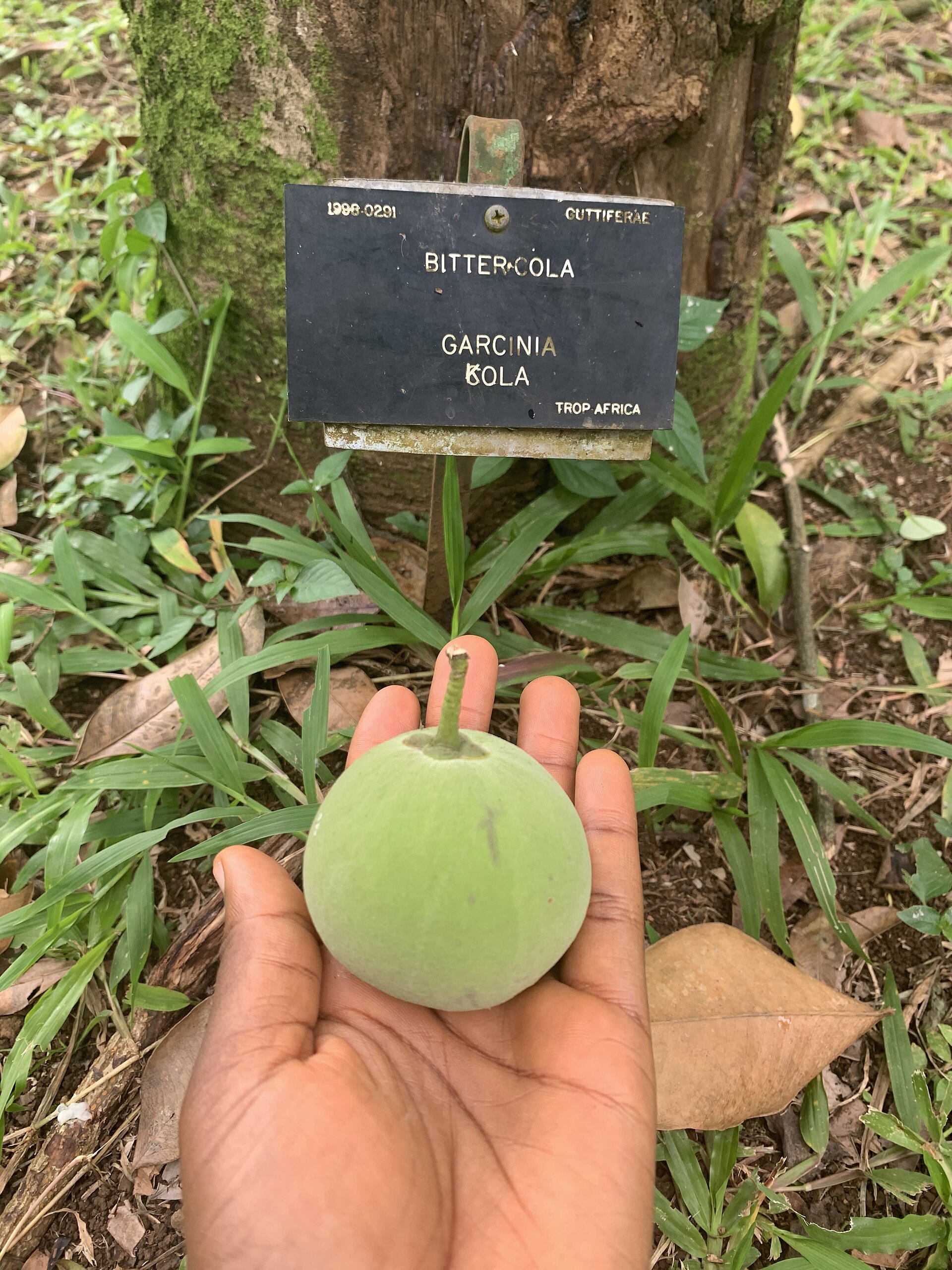
For years, bitter kola was a tree many Nigerian farmers cut down for firewood. Demand was thin, and the nut was worth more as ceremonial kola broken at weddings and funerals than as a cash crop. That has changed. A surge in demand, driven by the pharmaceutical and herbal industries, has revived farmer interest in Garcinia kola, with growers now reviving old trees and hunting for seedlings to plant more, according to BusinessDay.
From Near-Collapse to Revival
The comeback is real. Low demand over the years had pushed the crop toward near-collapse, with farmers replacing bitter kola trees with cocoa, but the recent boom has reversed that, with once-endangered trees being nursed back and new planting under way, according to BusinessDay. The nut's appeal abroad rests on its uses in traditional and orthodox medicine, where it is valued for antimicrobial and anti-inflammatory properties and drawn on by pharmaceutical and herbal manufacturers, according to Naturenews.
A High-Value Export Sold Raw
The scale of the missed opportunity is large. Nigeria is the world's largest producer of bitter kola, with output estimated around 150,000 tonnes, yet about 90 per cent of it is consumed locally even as demand climbs in Britain, America, China and India, according to a feasibility report by Foraminifera. Exported, the nut commands strong prices, ranging from about $15 to $24 per kilogram depending on quality and quantity, according to Naturenews, with the crop used across pharmaceuticals, food, cosmetics and agriculture and importers concentrated in the United States, United Kingdom and China, according to Neogric. The fruit is highly seasonal, harvested between roughly July and October, and buyers generally prefer it dried, which places a premium on proper processing, according to a trade guide from Neogric.
The Value-Chain Gap
Turning that demand into durable income is the hard part. Outdated processing, weak storage and inconsistent quality hold the trade back, and many smallholders struggle to meet the standards of global buyers, with too much of the nut lost before it reaches its destination, according to Ela Agro Export. The same analysis argues that investment in infrastructure, farmer training and quality control could lift the crop from a village trade into a reliable export earner.
A crop that keeps more value at home strengthens rural incomes and the wider food economy. FoodPrices Nigeria tracks verified retail prices across Lagos markets and follows the crops that shape what farming households earn and spend.
#BitterKola, #GarciniaKola, #NonOilExports, #ValueAddition, #Nigeria, #Lagos, #FoodPrices, #Agriculture, #Medicinal, #Farmers