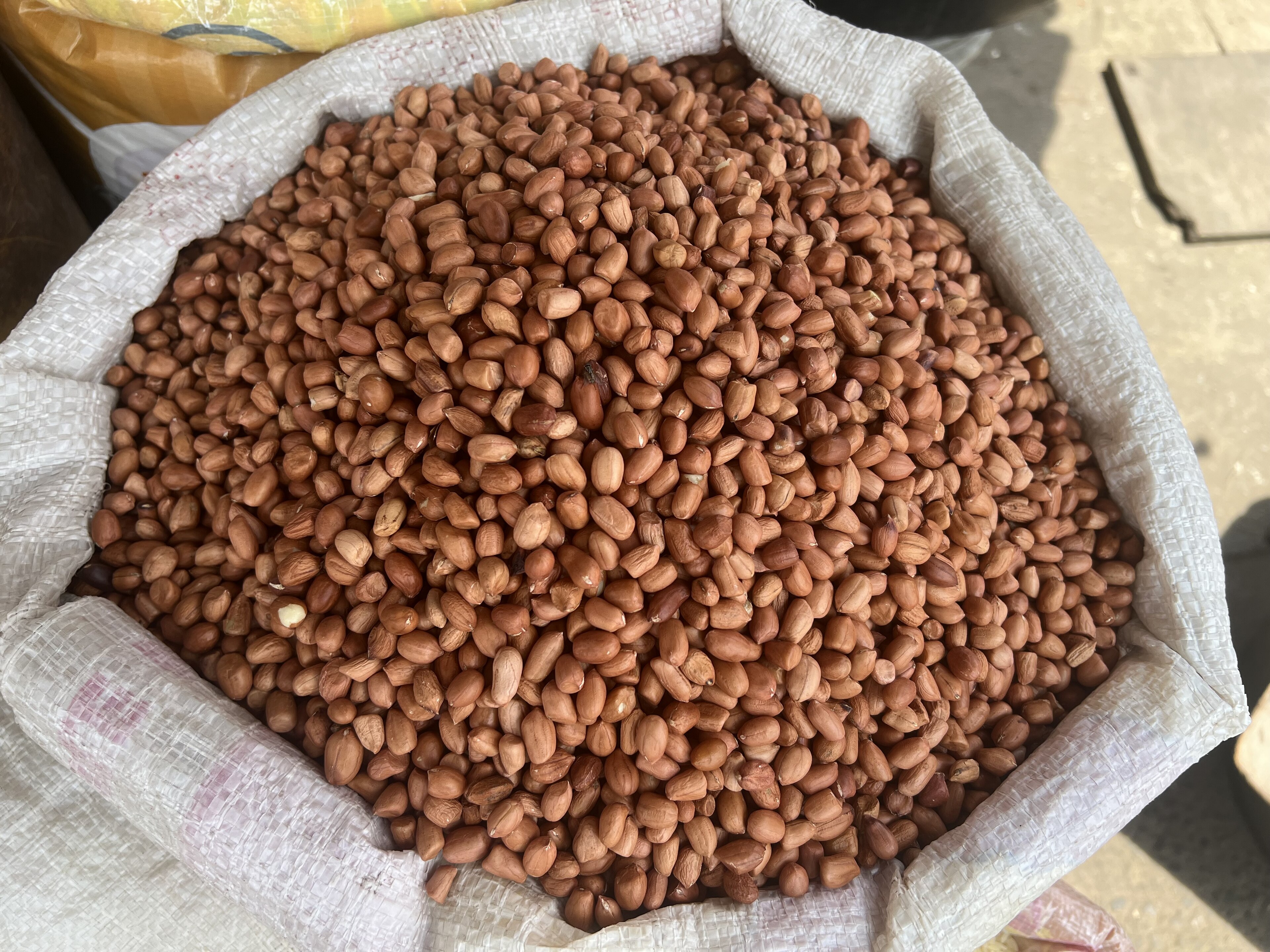
The world has grown more groundnuts than it can sell, and the surplus is now hurting the farmers who produced it. Record or expanded crops across major producing countries have contributed to a global surplus that has pushed world peanut prices lower and reduced buying incentives for importers, according to Peanut Grower.
Prices Sink at the Farm Gate
Entering the 2025/26 marketing year, the United States average postharvest price fell sharply to $418 per ton on concerns about oversupply and a slow recovery in demand, the University of Georgia's Center for Agricultural and Environmental Studies reported in its 2026 outlook. It forecast that prices could reach $500 to $550 per ton if trade conditions improve, but may stay closer to $350 to $475 per ton without a breakthrough, leaving profitability a significant challenge for growers this year. The same analysis noted that the United States is the fourth-largest peanut producer in the world, behind China, India and Nigeria.
Producers Cut Back to Force a Recovery
Big exporters are now shrinking supply on purpose. Argentina's peanut crop is expected to cover about 420,000 hectares, a cutback of roughly 15.5 per cent, while Brazil has reported cutting peanut acreage by about 20 per cent to stop excessive volumes entering the global market, according to Southeast AgNet. The same report noted that exports are shipping fewer peanuts while the domestic United States market is down about 4 per cent, leaving analysts arguing that only stronger demand will lift the market.
Groundnuts feed a long chain of Nigerian foods, from cooking oil to kuli-kuli and groundnut paste. FoodPrices Nigeria tracks verified prices for oils and staples across Lagos markets, where global oilseed swings eventually surface in the cost of a bottle of oil.