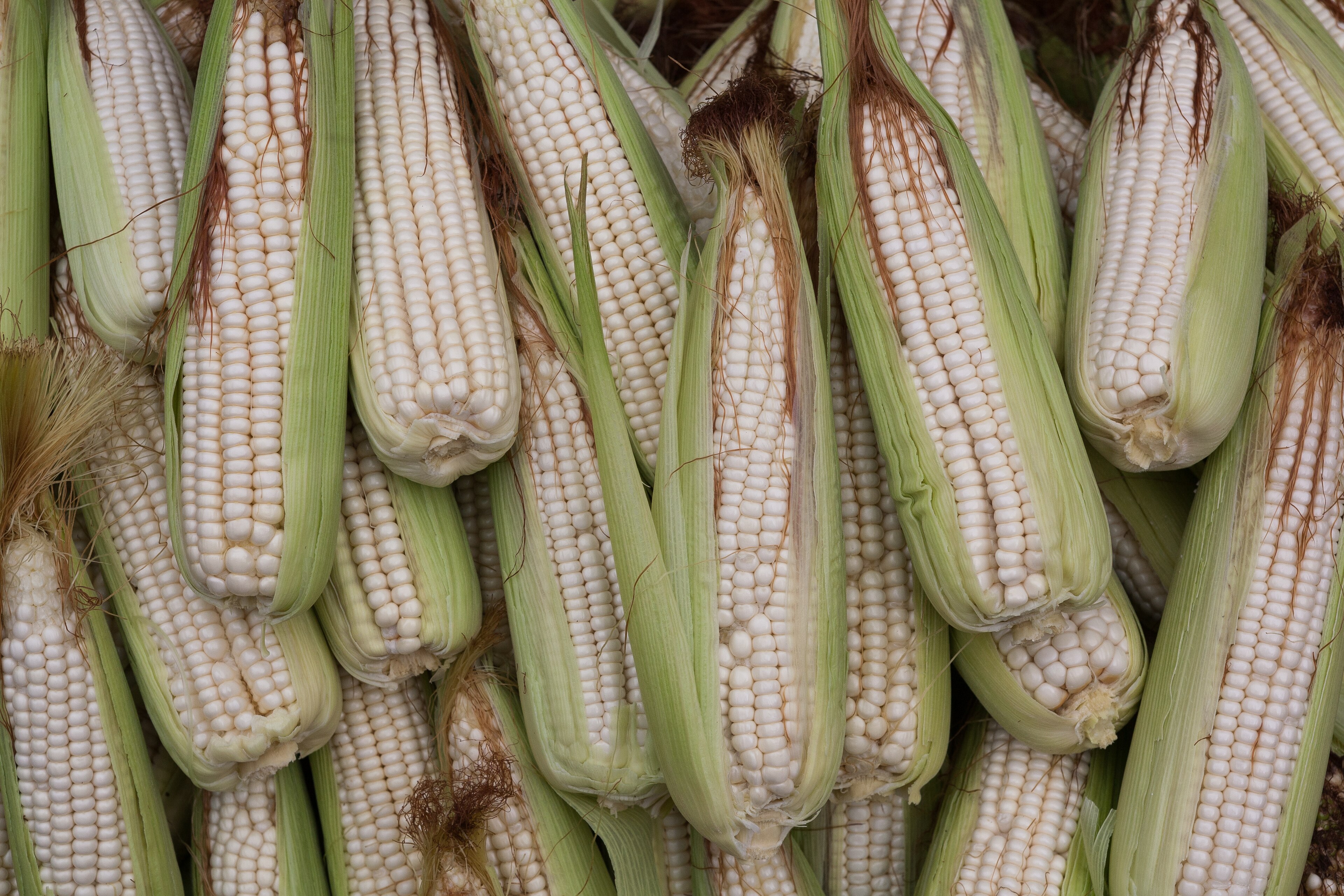
The planet has been swimming in corn. Global coarse grain output was raised again for the 2025/26 and 2026/27 seasons, with corn driving the increases, according to the USDA Economic Research Service. That abundance has kept a lid on prices for the grain that makes up the bulk of poultry and livestock feed, offering a measure of relief to farmers squeezed by high input costs.
A Smaller US Crop Turns the Tide
The picture is shifting. The US Department of Agriculture projects the 2026/27 US corn crop at about 16.0 billion bushels, down roughly 6 per cent from a year earlier on lower planted area and yield, with higher expected prices, according to its World Agricultural Supply and Demand Estimates. A tighter American crop can lift the global benchmark that importers everywhere pay.
New Supply From the East
At the same time, production is rising in unexpected places. India recorded the largest country-specific corn production increase in the world in the 2025/26 season, reducing its import needs as it expands corn for both poultry feed and ethanol, according to Expert Market Research. Demand is climbing too, with Sub-Saharan Africa named among the fastest-growing regions for grain consumption as populations expand, according to the USDA Foreign Agricultural Service.
Maize is the backbone of animal feed, so its global price threads directly into the cost of eggs, chicken and countless processed foods. FoodPrices Nigeria tracks verified grain prices across Lagos markets, where the world's corn balance quietly shapes the feed bill.