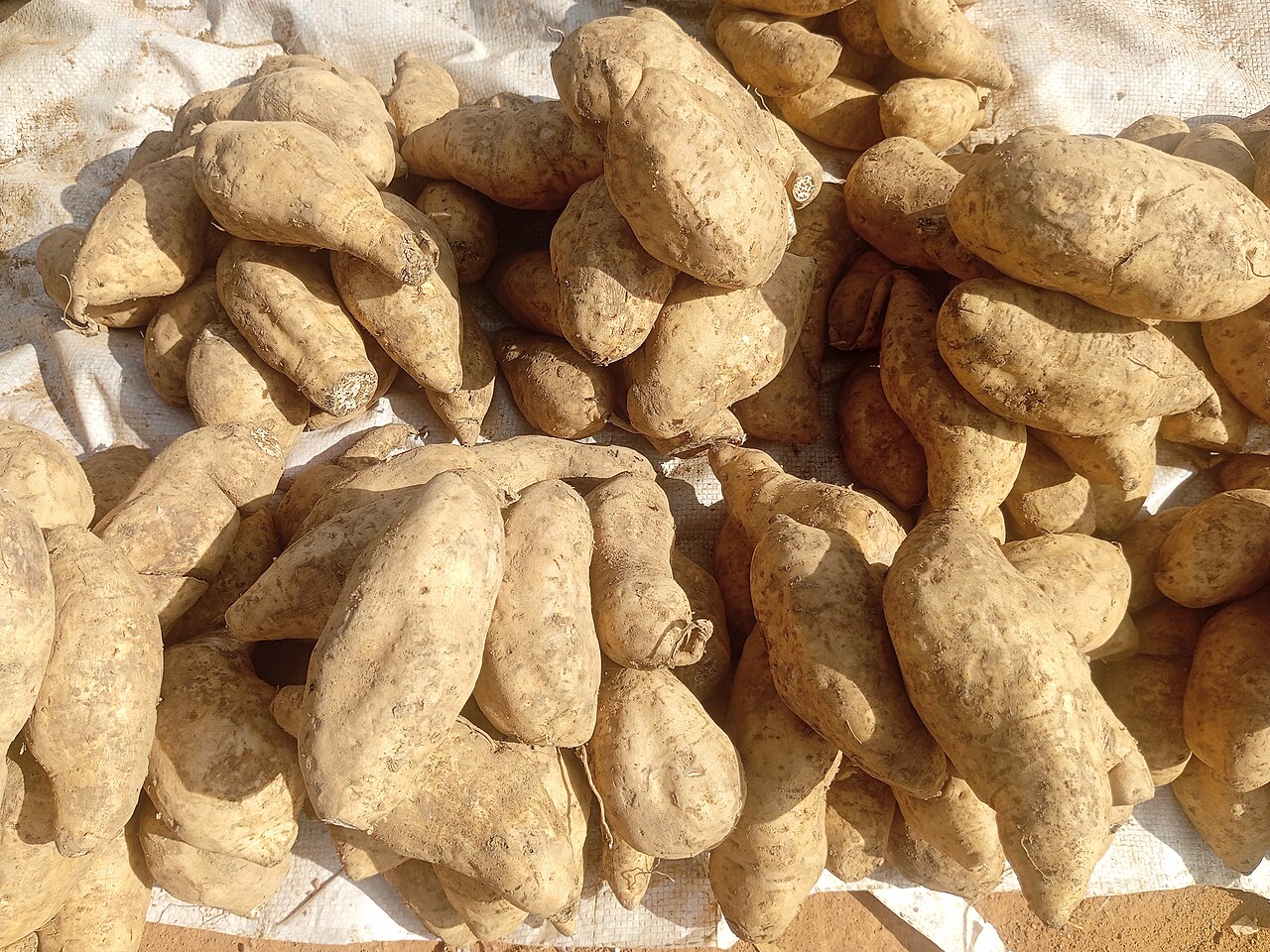
Nigeria grows more sweet potato than any other country in Africa, yet the tuber remains a humble side dish rather than the nutrition and industrial asset it could be. With about 3.46 million tonnes produced each year, Nigeria is the largest producer of sweet potato in Africa and the second largest in the world, according to a review published in Taylor & Francis.
A Nutritional Powerhouse Left Idle
Sweet potato is more than starch. The crop is rich in vitamin A, offering about 14,187 international units per 100 grams, along with vitamin C, magnesium, calcium and iron, according to the Taylor & Francis review. The orange-fleshed variety, high in beta-carotene, is a practical lever against vitamin A deficiency, a serious problem for Nigerian children whose diets lean heavily on starchy staples, according to a global production analysis by Statranker. Africa ranks second only to China in sweet potato output, and the shift toward orange-fleshed varieties has been driven partly by that nutritional need, according to a production review archived on Zenodo.
Grown as an Afterthought
Despite its scale, the crop has often been treated as a low-priority alternative rather than a commercial staple. Nigerian output has fluctuated as farmers shifted attention elsewhere, and production has been held back by poor funding and outbreaks of sweet potato virus disease, according to a synoptic review in the Science World Journal. The same review noted that the National Root Crops Research Institute at Umudike has released eleven improved varieties, including the orange-fleshed UMUSPO lines, and that a 2015 government plan aimed to lift yields from about six tonnes per hectare toward 25, targets that show how much headroom remains.
The Value in Flour
Processing is where the biggest opportunity sits. Sweet potato flour, made from dehydrated tubers, is naturally gluten-free and rich in fibre and vitamins, with uses in baking, confectionery, noodles, breakfast cereals and as a thickener, and it can also feed into animal feed and industrial starch, according to Foraminifera Market Research. The orange-fleshed types are preferred for flour because of their nutritional value, the same analysis noted, which means a single crop could serve bakeries, nutrition programmes and processors at once. Analysts say the yield gaps point to high returns from better planting material, virus management, storage and irrigation, according to Statranker.
A crop this abundant and this nutritious should not stop at the boiling pot. FoodPrices Nigeria tracks verified retail prices for tubers and staples across Lagos markets and follows the processing and nutrition gains that could stretch household food budgets further.
#SweetPotato, #Nutrition, #VitaminA, #AgroProcessing, #Agriculture, #Nigeria, #Lagos, #FoodPrices, #FoodSecurity, #ValueAddition