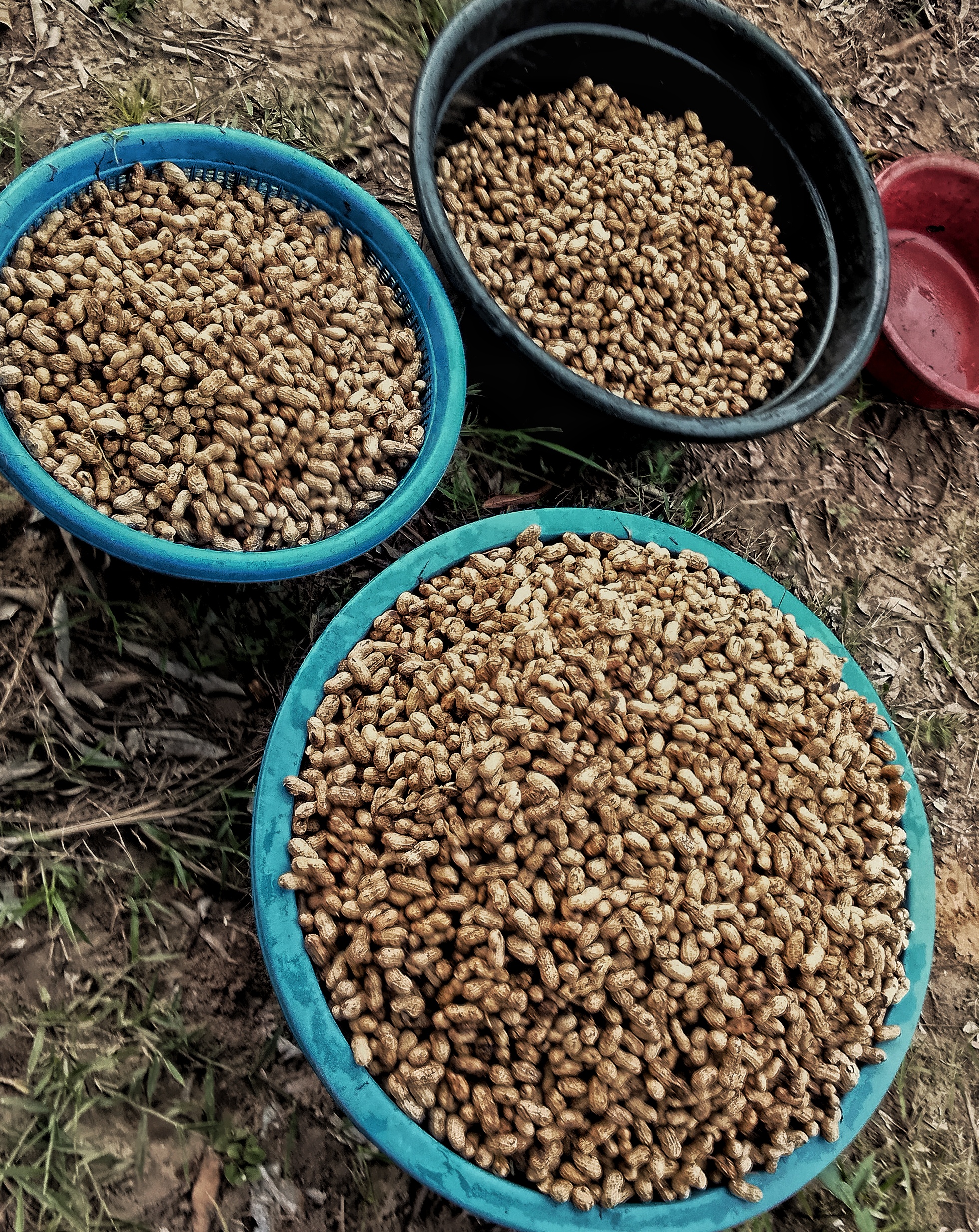
Nigeria is sitting on a set of cheap, protein-rich crops that thrive where other plants fail, yet it barely grows them at commercial scale. Bambara groundnut, African yam bean, pigeon pea, Kersting's groundnut and winged bean have been flagged as some of the country's most promising but underutilised legumes, held back by limited research funding, weak policy attention and minimal commercial investment, according to the Society for Underutilised Legumes as reported by The Guardian.
Crops Built for a Hotter Climate
The neglect is striking because these legumes are exactly the kind of hardy, low-input crops a warming country needs. Bambara groundnut is a climate-resistant, highly nutritious crop that will produce where other legume crops fail, drawing little from the soil and tolerating high temperatures, according to research published by MDPI, which notes that the north-eastern region of Nigeria and northern Cameroon form the crop's primary centre of genetic diversity. Its grain composition and nutritional value make it a strong candidate for improving food and nutrition security under climate change, according to a study in the Journal of Agricultural Science. Pigeon pea tells a similar story, remaining underutilised in terms of research, production and utilisation despite its economic and nutritional importance, according to work on production in Oyo State published by ScienceDirect.
Profitable, but Stuck at Subsistence
The economics already work for farmers who grow these crops, but the value chains around them do not. Bambara groundnut cultivation is profitable, with farmers in Benue State recording mean technical efficiency of about 70 per cent, according to a study presented through ISHS. Even so, most output never reaches a wider market. A commercialisation study found that Bambara nut farmers reached a household commercialisation index of only 56 per cent, leaving a 44 per cent gap to full commercialisation, with inadequate access to credit, long distances to market, high input costs, poor roads and pest pressure named as the main constraints, according to research published in Yüzüncü Yıl University Journal of Agricultural Sciences. Pigeon pea farmers, meanwhile, still plant mostly local varieties and grow largely for household consumption rather than sale, the ScienceDirect analysis found.
A Ready Answer Left in the Ground
The case for change is a case about resilience and nutrition. These legumes fix nitrogen in the soil, need few inputs and pack protein into diets that lean heavily on starchy staples, which is why the Society for Underutilised Legumes has pressed for stronger research funding, clearer policy and real commercial backing, as The Guardian reported. For a country chasing food security while battling drought and high input costs, a drought-proof, soil-enriching protein source is not a luxury.
FoodPrices Nigeria tracks verified retail prices for beans and other staples across Lagos markets, where the gap between the crops Nigeria could grow and the ones it actually sells shows up in the price of protein.