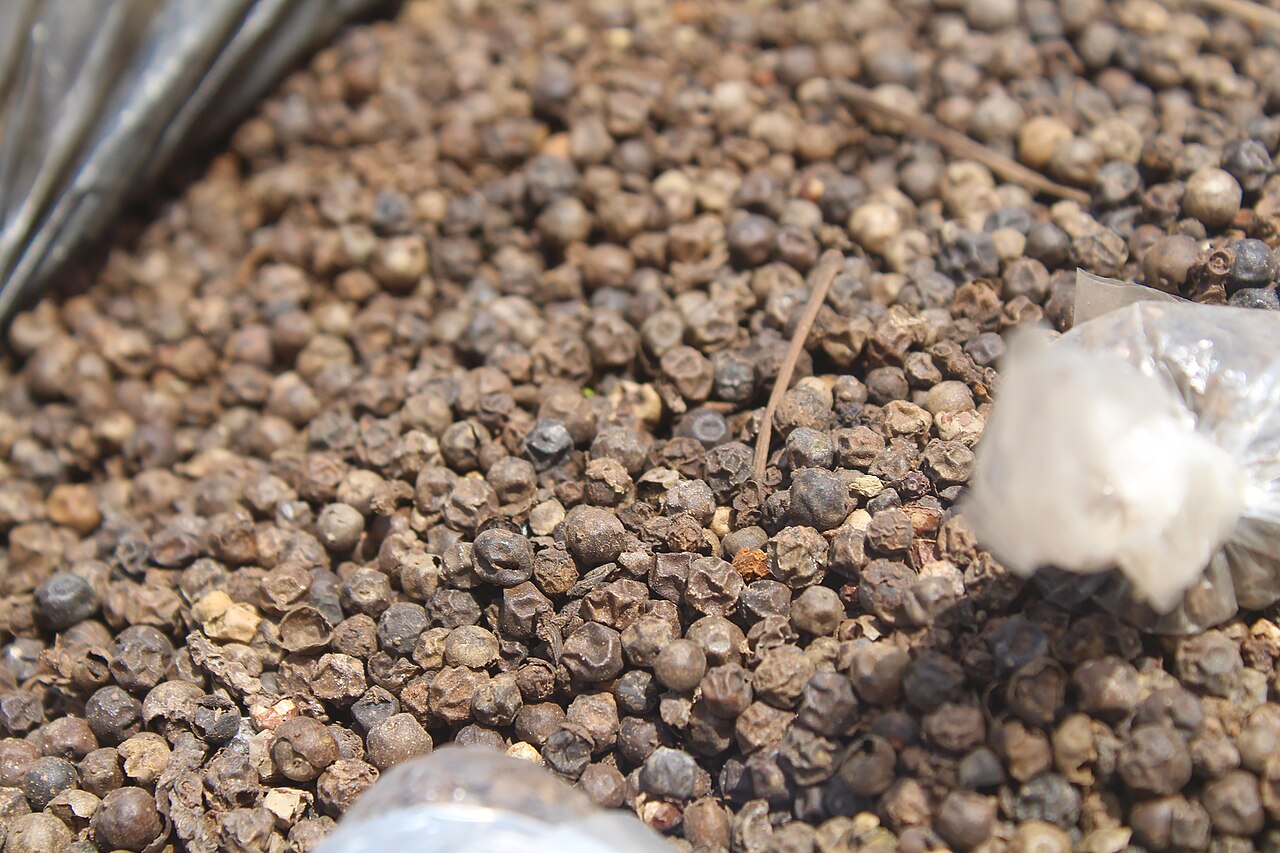
The world's most traded spice has become a lot dearer. Black pepper climbed to near decade-high prices, with Vietnamese benchmark grades trading around $6,300 to $6,800 per tonne in August 2025, driven by crop failures across the handful of countries that supply about 80 per cent of the world's pepper, according to Business Focus.
A Broad-Based Shortfall
The squeeze was not one country's problem. In 2025, output fell about 10 per cent in Indonesia, more than 32 per cent in India and 20 per cent in Sri Lanka compared with the year before, while Vietnam and Brazil also struggled, according to the Vietnam Pepper and Spice Association as reported by VINAGRI, which forecast global supply falling a further 15 to 20 per cent in 2026. Trade policy added to the pressure, with the US proposing tariffs as high as 46 per cent on Vietnamese goods, according to Alice Business Magazine.
Signs of Steadying
The most acute tightness may be easing. By mid-2026, prices had turned soft to steady as Vietnam's exports rebounded strongly, rising more than 23 per cent in the first half of the year, keeping global buyers comfortably supplied, according to CMB News. Analysts still expect prices to stay above pre-2023 levels while pepper vines, which take years to mature, recover.
Pepper is a kitchen essential in Nigerian homes and food businesses, so global spice shortages feed into the cost of seasoning a meal. FoodPrices Nigeria tracks verified retail prices across Lagos markets, where world commodity swings eventually reach the pot.