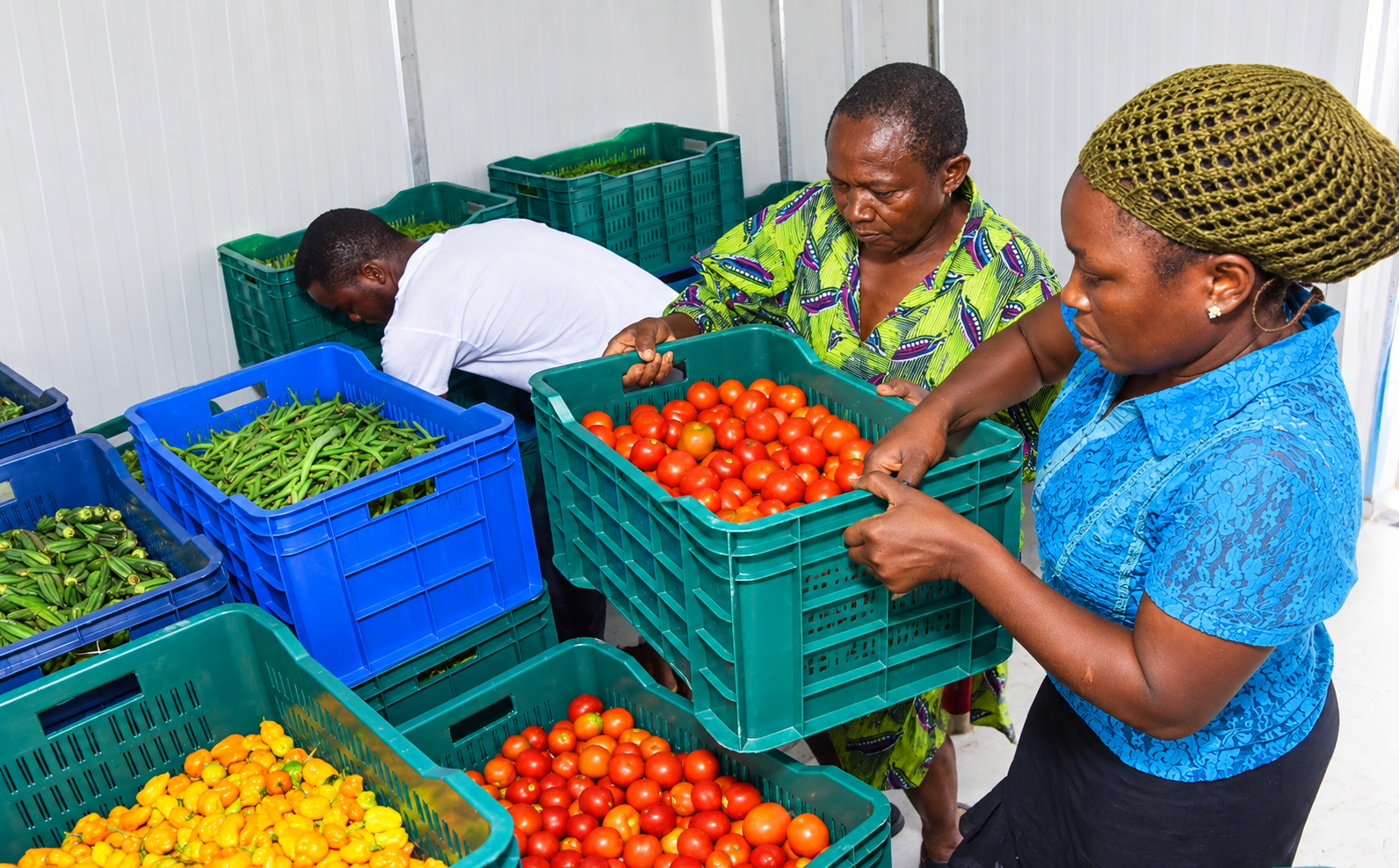
One of the quiet drains on Nigeria's food supply is the produce that never reaches a plate, and a new corporate move takes aim at it. Terroso Agriculture, a subsidiary of Terroso Group, has joined the Global Cold Chain Alliance in a bid to strengthen Nigeria's cold-chain infrastructure and reduce post-harvest losses across the agricultural value chain, according to THISDAY.
Why Cold Chain Matters
The losses the partnership targets are severe. Some Nigerian value chains lose between 50 and 60 per cent of their output between harvest and market, according to official estimates cited by Rio Times. Every crate of tomatoes or basket of pepper that spoils on the road is supply removed from the market, which pushes prices up for the food that does arrive.
Building the Ecosystem
Terroso said the alliance would let it draw on global expertise, industry standards and research to develop modern cold storage, temperature-controlled logistics and preservation technologies, with the goal of improving food security, strengthening supply chains and lifting farmer incomes, according to THISDAY. The Global Cold Chain Alliance welcomed the company, saying its focus aligned with the group's aim of strengthening temperature-controlled supply chains worldwide.
A Wider Push
The private move sits inside a broader national effort. The Federal Government and the World Agriculture Forum, Nigeria have been collaborating to transform post-harvest management and cold-chain infrastructure, with the ministry prioritising value chain development, storage systems, agro-processing and market linkages, according to the News Agency of Nigeria. That work runs alongside the Nigeria Postharvest Systems Transformation Programme, which aims to modernise produce handling, expand storage and improve market links, according to the Federal Ministry of Information and National Orientation. Nigeria is also courting foreign partners, pursuing solar-powered cold storage and agro-processing technology transfer with China and a draft agreement with India covering cold-chain logistics and tomato processing, according to Rio Times.
The Payoff for Prices
Better cold storage does more than cut waste. It lets farmers hold produce past a glut, smooths the wild seasonal swings that hit perishables hardest and keeps more food in circulation year-round. FoodPrices Nigeria tracks verified retail prices for perishables and staples across Lagos markets, where the results of a stronger cold chain would show up as steadier supply and calmer prices.