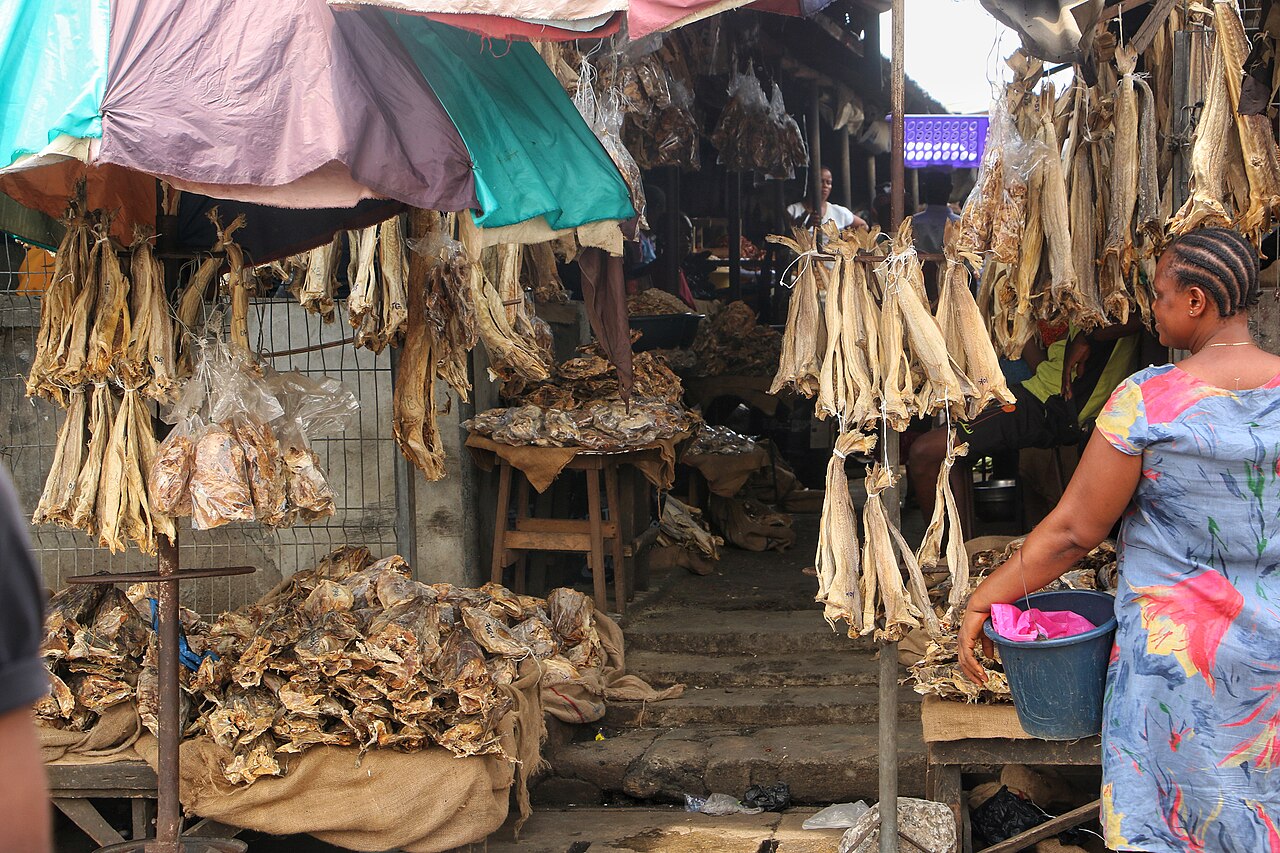
Stockfish, the air-dried cod and related whitefish known as okporoko among the Igbo and kpanla among the Yoruba, is one of the most cherished ingredients in Nigerian soups, yet almost every piece is imported. A fresh bout of scarcity has driven prices up sharply, with a 30kg sack of stockfish heads selling for about ₦500,000, up from ₦385,000 in December 2025, according to a News Agency of Nigeria survey reported by Vanguard. Traders at Oyingbo Foodstuff Market said the increase was driven mainly by supply shortages rather than exchange-rate swings.
A Taste Nigeria Imports
Nigeria remains the world's largest importer of Norwegian stockfish, with the product carrying long traditions in local cuisine, according to the Norwegian Seafood Council as reported by Punch. In 2022, Norway exported more than 10,000 metric tonnes of stockfish to Nigeria, though volumes fell in 2023 as recession and currency difficulties squeezed the trade, the same report noted. The country does not produce stockfish locally because the cold-water fish species and the open-air drying climate that make it are found in the north Atlantic rather than the tropics, according to TSB News, which put Nigeria's annual Norwegian seafood imports at around $125 million.
A Trade Centuries in the Making
The stockfish bond between Nigeria and Norway stretches back generations. Historians trace organised importation to 1950, and by 1966 almost 70 per cent of all Norwegian stockfish was heading to Nigeria, according to THISDAY. The fish is prized for its long shelf life and concentrated protein, and it anchors dishes from egusi and ogbono to afang soup. That deep demand has at times moved markets abroad, with Norwegian exporters cutting prices in earlier years to win back Nigerian buyers slowed by a weak naira and unsold cold-room stock, according to National Point.
A Wider Protein Gap
The stockfish squeeze sits inside a larger shortfall. Nigeria faces a fish deficit estimated at more than two million tonnes a year, worth well over a billion dollars, forcing heavy reliance on imports from Norway, Iceland and others, according to National Point. When shipments slow or the naira weakens, that dependence lands directly on the dinner table.
FoodPrices Nigeria tracks verified retail prices across Lagos markets, where a shortage in the north Atlantic quietly raises the cost of a pot of soup in Lagos.
#Stockfish, #Okporoko, #Imports, #Seafood, #Nigeria, #Lagos, #FoodPrices, #Protein, #Norway, #Trade