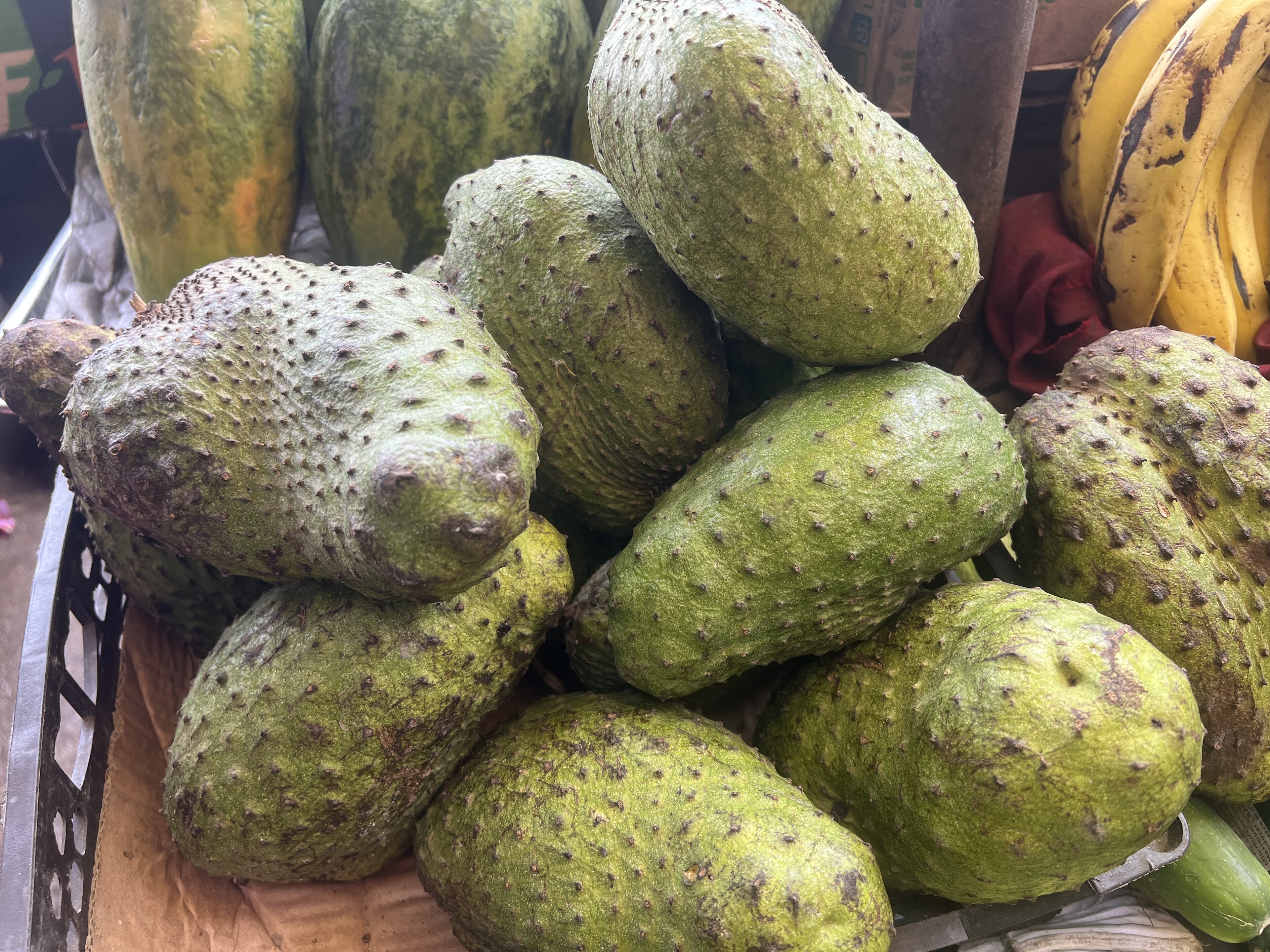
Few Nigerian fruits carry as much health-food buzz as soursop, the spiky green graviola whose soft, milky pulp tastes like a tart yoghurt drink. Demand for it is climbing at home and abroad on the back of its reputation for medicinal benefits, yet the fruit remains hard to find and expensive because almost no one grows it at scale. Soursop is used commercially to make beverages, jams, jellies, smoothies and desserts, and although its peak season runs between May and June, it can fruit all year round, according to Leadership.
Scarce and Costly
The scarcity is a direct result of how little the fruit is cultivated. Soursop farming is hardly done on a commercial scale in Nigeria, which has made the fruit scarce and difficult to buy, with a single sizeable fruit selling for as much as ₦500, according to Agribusiness Digest. With very few plantations in the country, supply cannot keep pace with a market that keeps expanding, leaving prices high and buyers frustrated.
A Market Hungry for Processing
The opportunity is not just in fresh fruit but in what can be made from it. There is consistent demand from the Nigerian diaspora in Europe, North America and the Middle East for juices made from native fruits such as soursop, zobo and cashew, and local processing could reduce imports while supporting fruit farmers, according to Qeeva. That fits a broader trend, with the global fruit juice market growing on the back of rising health-consciousness and demand for functional beverages, according to StartupTipsDaily. Soursop's tangy, nutrient-dense pulp is well suited to that shift toward natural, minimally processed drinks.
Turning a Wild Fruit Into a Crop
Closing the gap would mean treating soursop as a commercial crop rather than a backyard curiosity. The tree begins flowering and fruiting within about three years and produces in great numbers thereafter, according to Leadership, which makes organised orchards a realistic proposition. Paired with cold storage, juicing and packaging, a fruit that now sells one at a time by the roadside could supply a steady stream of value-added products for both local shelves and export.
FoodPrices Nigeria tracks verified retail prices across Lagos markets and follows the under-farmed crops whose scarcity keeps prices high and whose fuller cultivation could ease pressure on shoppers.