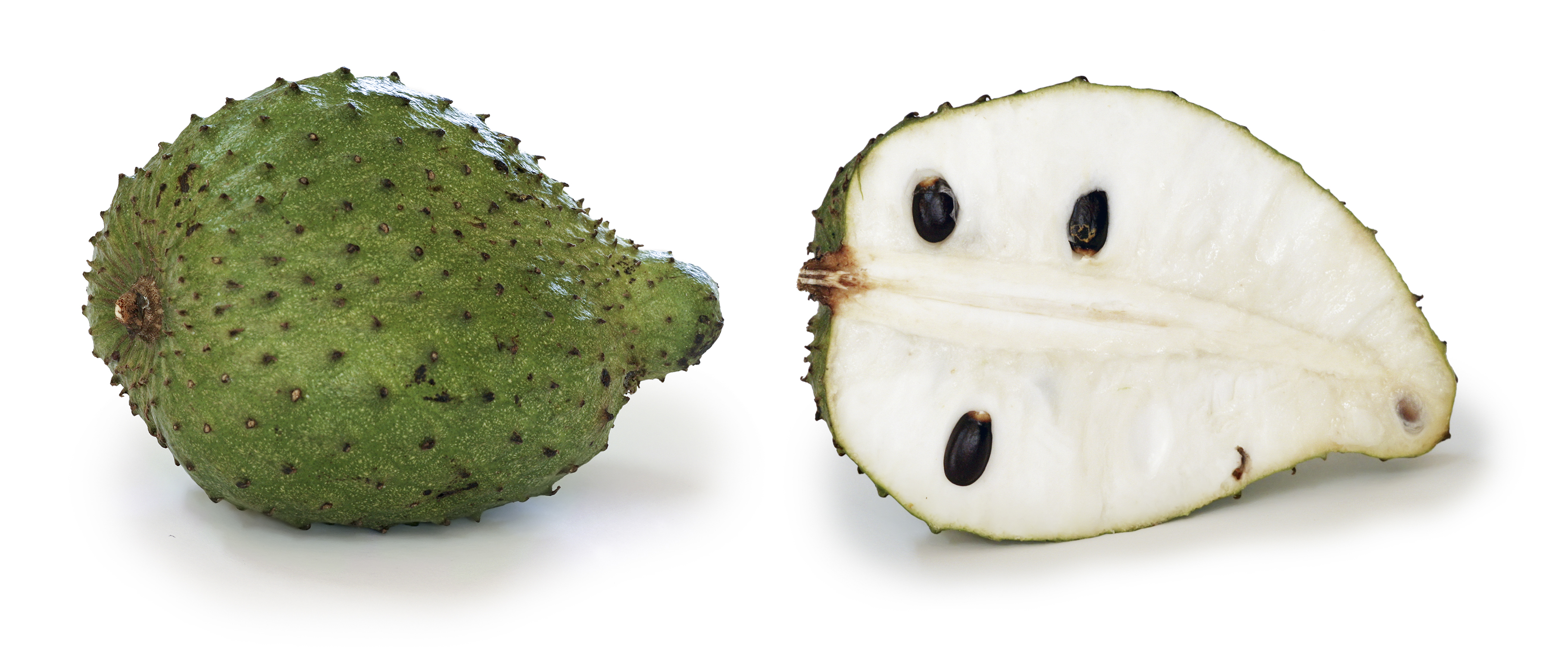
Soursop has quietly become one of the most sought-after fruits in Nigeria's health-food conversation, prized for its creamy flesh and a long list of folk medicine claims. Demand is climbing both locally and internationally, and the fruit is used commercially for beverages, jams, jellies and desserts, according to Leadership. The catch is supply.
Wanted, but Barely Grown
Soursop farming in Nigeria is hardly done on a commercial scale, which has made the fruit scarce and pricey, with a single sizable fruit selling for as much as ₦500, according to Agribusiness Digest, which noted there are very few soursop plantations in the country despite obvious demand. The plant is not difficult to establish, flowering after about three years and fruiting the same year, according to Leadership, and it grows readily across the southern part of the country. The gap between easy cultivation and thin planting is the whole story.
A Superfruit With a Health Halo
The demand is driven largely by nutrition and wellness buzz. Soursop, also called graviola, is rich in vitamin C, antioxidants and fibre, and consumer interest in tropical superfruits has lifted demand across international markets, according to a soursop market review that pointed to strong opportunities in juice, pulp and powder processing. In Nigeria the fruit is already used to make smoothies, candies, juices and desserts, and the leaves are brewed as tea, according to Agribusiness Digest, giving it appeal to both fruit juice makers and the pharmaceutical trade.
The Postharvest Trap
Scaling soursop is harder than planting it because the fruit is delicate. It softens rapidly and is sensitive to cold, creating a high risk of postharvest loss unless growers invest in careful handling, appropriate packaging and cold-chain discipline, according to market data compiled by Tridge, which also flagged pest surveillance and inconsistent quality as barriers to export. Those are exactly the weak points in Nigeria's fresh-produce chains. For now, the world's soursop supply is led by producers such as Mexico, which turns out tens of thousands of tonnes a year on the back of organised farming and export routes, according to a review of global production by Gopi Garden. Nigeria, with the climate and the demand, remains a spectator.
Soursop is a rare case where the market is ready and willing but the farms are not there. FoodPrices Nigeria tracks verified retail prices across Lagos markets and follows the high-value crops whose scarcity keeps them out of reach for ordinary shoppers.
#Soursop, #Graviola, #Fruit, #HealthFoods, #ValueAddition, #Nigeria, #Lagos, #FoodPrices, #Agriculture, #FarmingBusiness