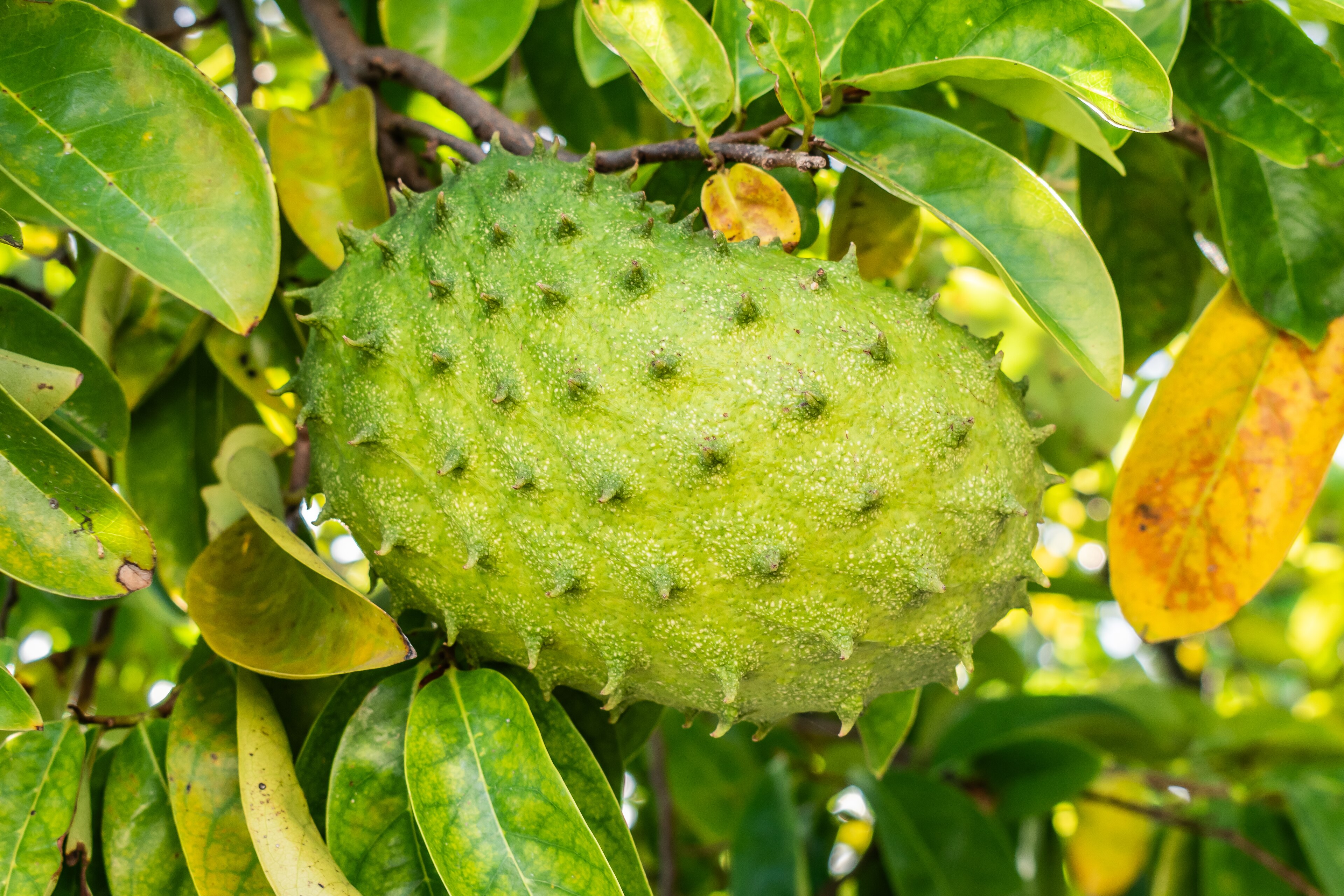
Few fruits inspire the devotion that soursop does in Nigeria. The spiky green fruit, known globally as graviola, is chased by health-conscious buyers for its reputed medicinal properties, yet it is so rarely cultivated on a commercial scale that it remains difficult and expensive to find, according to The Sun, which noted a single sizeable fruit could fetch ₦500 or more in the open market.
A Fruit People Hunt For
The demand is unusual for its intensity. Soursop is used commercially in beverages, jams, jellies and desserts, and rising local and international interest has made it a genuinely lucrative crop for the few who grow it, according to Leadership. Its appeal rests heavily on health claims, with the fruit and its leaves widely believed to carry anti-inflammatory and other therapeutic properties, and researchers have flagged its compounds for possible anticancer potential in a study on the halal food trade between Saudi Arabia and Nigeria, published in Frontiers in Sustainable Food Systems.
A Market Getting Bigger
That interest is not confined to Nigeria. Global soursop demand is projected to rise by more than 30 per cent between 2024 and 2026, with cultivation expanding across Asia and African producers including Nigeria, Ghana, Uganda and Kenya, according to Farmonaut. A parallel market has grown up around graviola extract, a nutraceutical segment where rising incomes and urbanisation in countries such as Nigeria are catalysing demand for natural health products, according to Verified Market Reports.
Supply That Cannot Keep Up
The bottleneck is production. Soursop is hardly farmed commercially in Nigeria, leaving very few plantations and a fruit that is chronically scarce despite its popularity, according to Agribusiness Digest. The tree grows well across the country's south, begins fruiting within three to five years and yields in large numbers, yet the absence of organised orchards means buyers pay a premium for a fruit the climate could supply abundantly. For a crop feeding both a fresh-fruit craving and a growing extract industry, the shortfall is a missed harvest.
FoodPrices Nigeria tracks verified retail prices across Lagos markets and follows the crops where demand outruns supply. Building even modest commercial soursop orchards could turn a scarce, costly curiosity into a steady earner for farmers and a cheaper buy for shoppers.