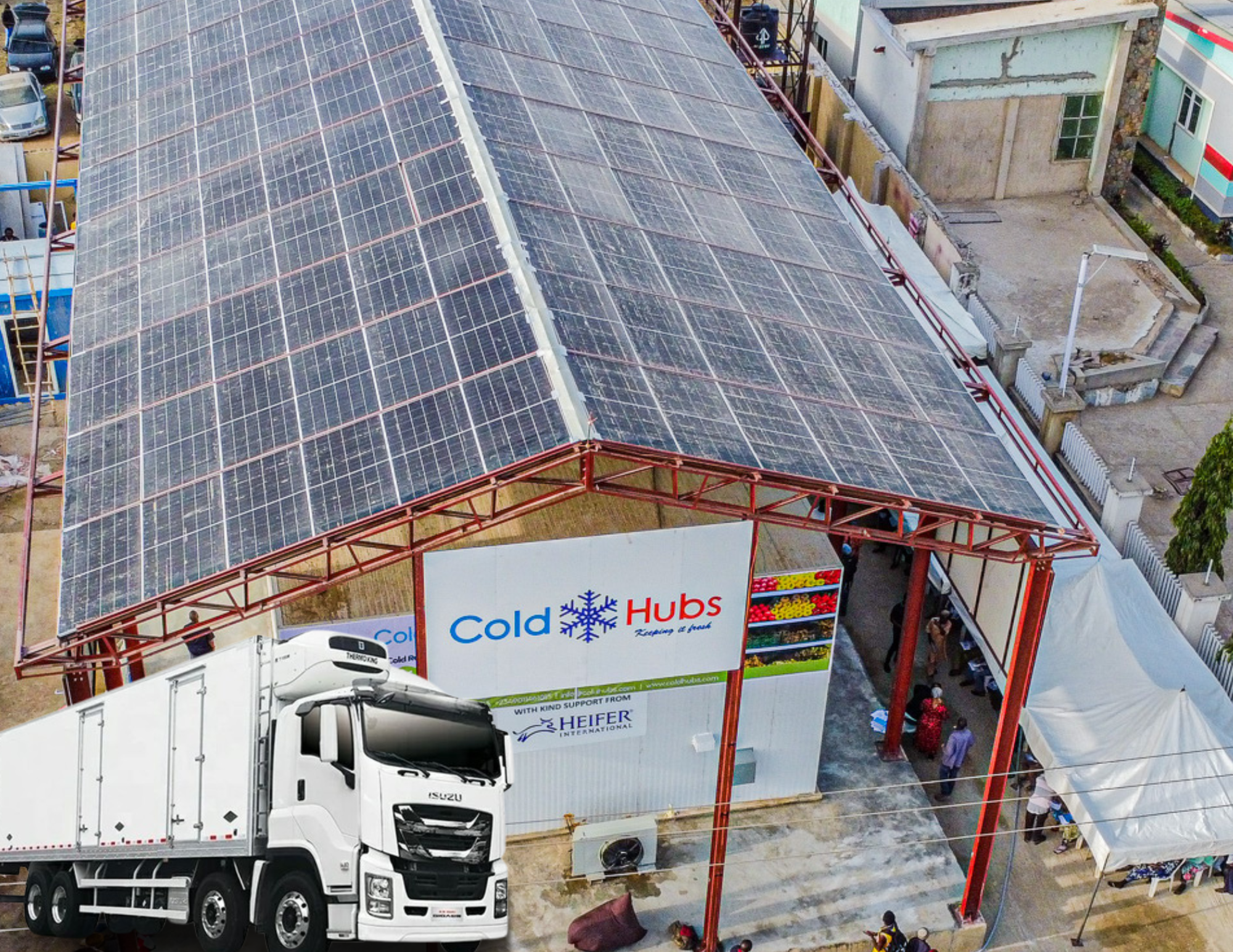
A market in the Niger Delta has gained one of the simplest defences against food waste, a working fridge that runs on sunlight. The Foundation for Partnership Initiatives in the Niger Delta, in partnership with ColdHubs Limited, commissioned a solar powered cold storage and ice making facility at Swali Market in Yenagoa, Bayelsa State, providing a clean energy answer to one of the biggest problems facing coastal communities, according to Vanguard.
A Gap Measured in Trucks
The facility arrives in a country whose cold chain remains thin. Nigeria's cold chain market is valued at roughly ₦160 billion, yet fewer than 1,000 refrigerated trucks operate nationwide against an estimated requirement of about 25,000 to move more than 11 million metric tonnes of perishable food each year, according to analysis published by Daily Post. The same analysis noted that industry estimates put losses of perishable crops such as tomatoes, fruits, vegetables and fish at between 30 and 50 per cent each year.
The Cost of Losing the Harvest
The financial toll is heavy. The Organization for Technology Advancement of Cold Chain in West Africa reported that Nigeria recorded between ₦3.5 trillion and ₦5 trillion in post-harvest losses in 2025, with its president, Alexander Isong, putting the volume lost at 30 to 40 million metric tonnes across major value chains, according to BusinessDay. The same report noted that a cold room costs between ₦6 million and ₦15 million to build depending on size, placing the technology within reach of cooperatives and mid-sized traders.
Storage decides whether a glut becomes cheap food later or simply rots, which is why cold chains smooth the seasonal price swings shoppers feel most. FoodPrices Nigeria tracks verified retail prices across Lagos markets, where the cost of everything Nigeria fails to preserve eventually lands.
#ColdChain #PostHarvestLosses #Bayelsa #ColdHubs #Solar #Lagos #FoodPrices #Nigeria #Storage #Agriculture