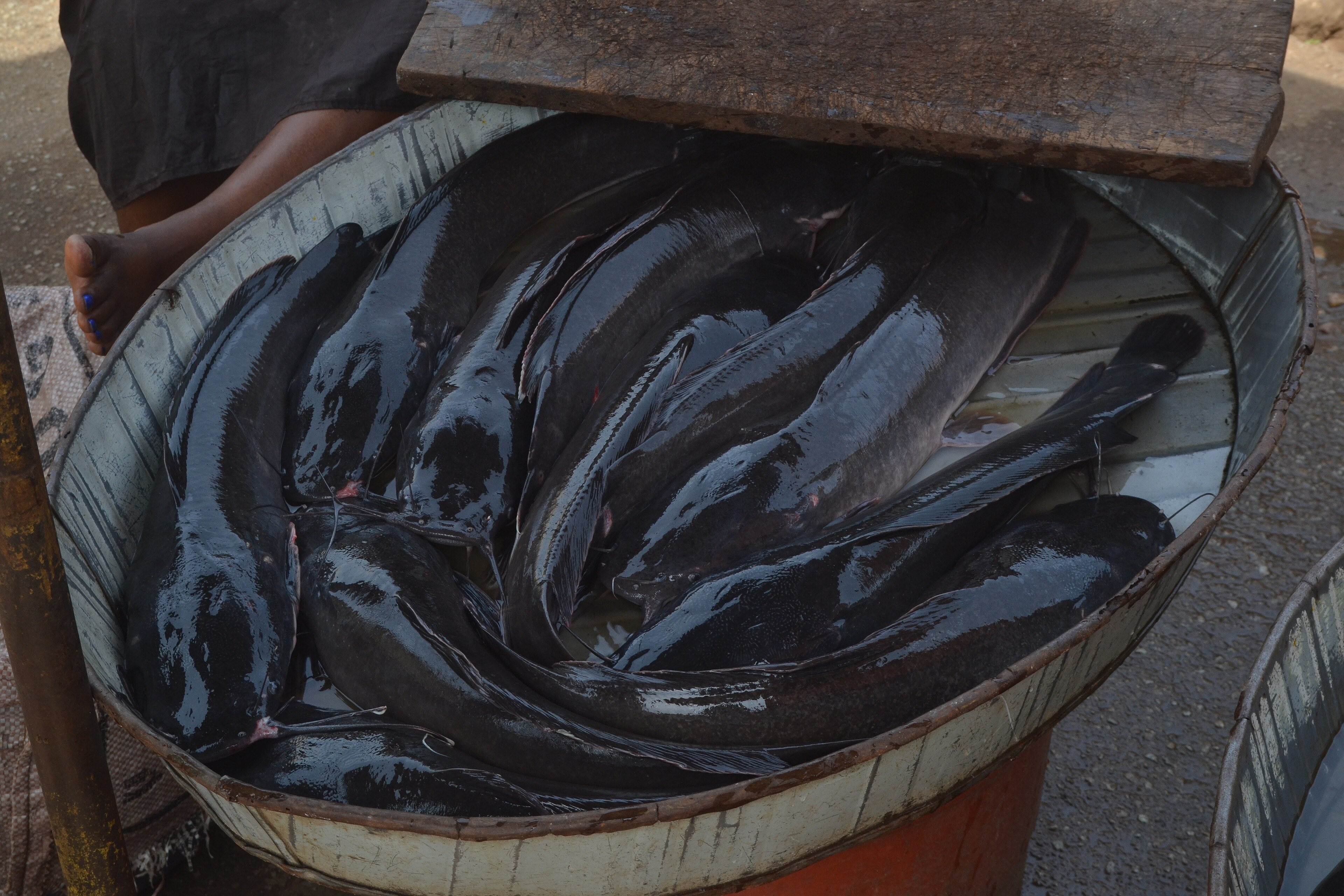
Nigeria is the world's largest producer of African catfish, yet it still leans on imports to feed itself, and a new approach is trying to change that by getting farmers to work together. The Food and Agriculture Organisation's FISH4ACP initiative is fostering six catfish clusters across the country, reaching an estimated 600 farmers who pool resources, share investments and gain better access to inputs, energy, processing and markets, according to the FAO.
A Demand the Country Cannot Yet Meet
The need is large. Nigeria consumes over 3.6 million metric tonnes of fish a year while local production reached just 1.4 million metric tonnes in 2025, a shortfall filled expensively through imports, according to a 2026 sector review. Fish accounts for roughly 40 per cent of the animal protein Nigerians eat, so closing that gap matters for both nutrition and household budgets, as BusinessDay reported.
New Fish, New Economics
The sector is also being reshaped by genetics. A new generation of genetically improved tilapia has entered the market alongside catfish, shifting the economics of fish farming and giving producers a second high-yield option, according to a comparison of the two species. Industry voices stress that farmers who band into cooperatives, control feed costs and secure buyers before harvest are the ones who profit, as BusinessDay noted.
Fish is one of the most affordable proteins in Nigerian kitchens, so raising domestic output could ease pressure on a costly import. FoodPrices Nigeria tracks verified retail prices across Lagos markets and follows the aquaculture push aimed at putting more locally farmed fish on the plate.