The Senate has advanced three bills designed to strengthen Nigeria's food system and reduce its heavy reliance on imports, receiving committee reports on the legislation during plenary. Senator Saliu Mustapha, who represents Kwara Central and chairs the Senate Committee on Agricultural Production Services and Rural Development, presented the reports and described the measures as critical interventions aligned with the federal government's agricultural agenda.
The National Food Reserve Agency Bill
The first measure, sponsored by Mustapha, seeks to establish a national framework for grain storage and price stabilisation. The proposed agency is intended to ensure food availability and steady prices during periods of scarcity, functioning as a buffer against shortages driven by climate change, insecurity, and global economic disruption. For a country where seasonal price swings hit households hardest during the lean months, a functioning national reserve would aim to smooth the spikes that recur each year.
The National Rice Council Board Bill
Sponsored by Senator Adamu Aliero of Kebbi Central, this bill targets one of the largest single drains on Nigeria's foreign exchange. Mustapha stressed the urgency of reform, noting that Nigeria spends an estimated $2 billion annually on rice imports. The proposed council is designed to reverse that trend by coordinating rice production, processing, and distribution nationwide. At an earlier public hearing, Senate President Godswill Akpabio, represented by Senator Mohammed Monguno, described the rice bill as positioned to create jobs and make Nigeria a continental rice powerhouse.
The Mandatory Cassava Inclusion Bill
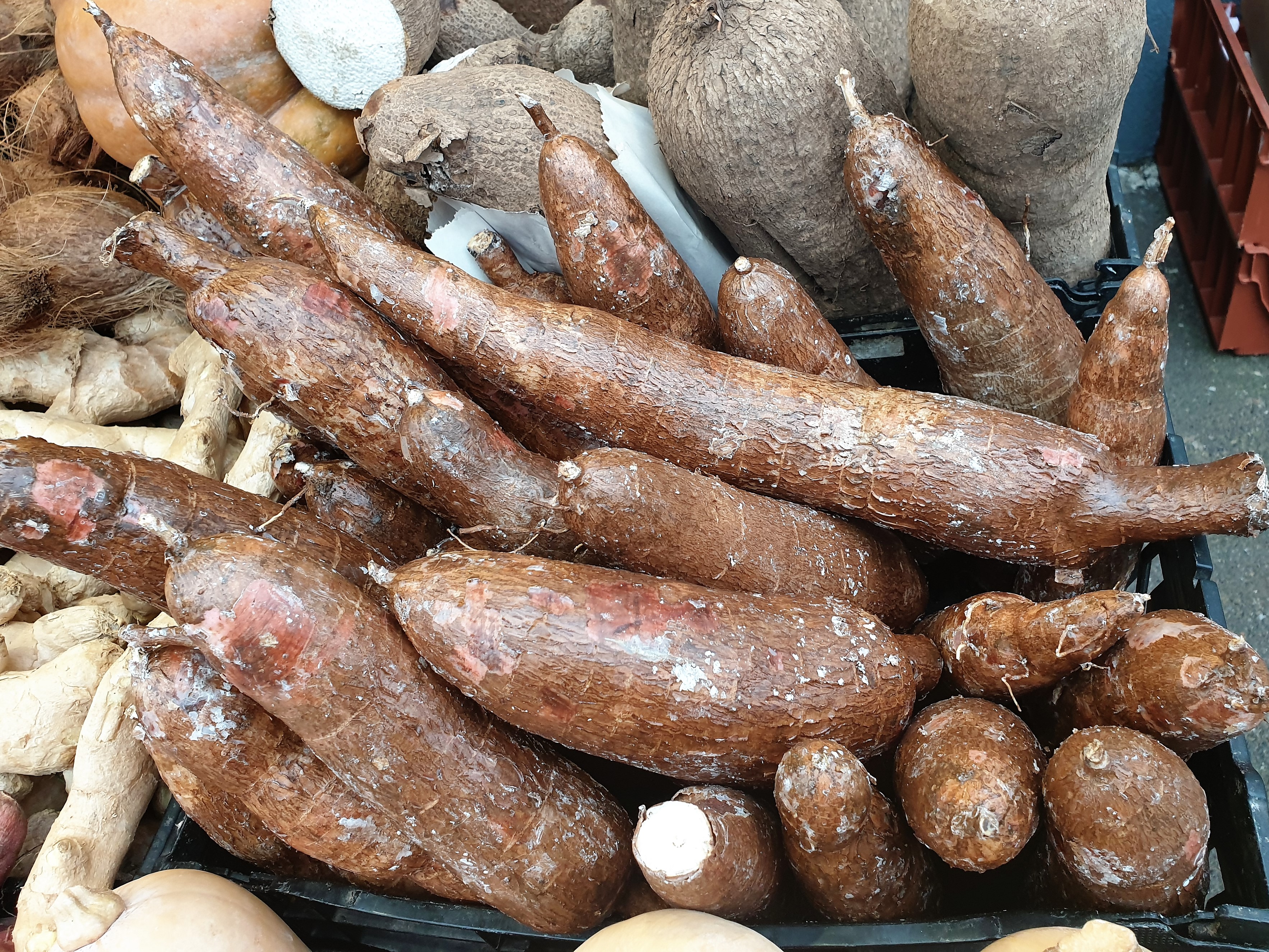
The third measure, also sponsored by Mustapha, mandates a minimum of 20% cassava content in flour production to reduce reliance on imported wheat. Nigeria is the world's largest cassava producer, yet the crop's industrial use has remained limited. When the bill passed its second reading, Mustapha highlighted that wheat imports cost the nation over $3 billion annually, creating trade imbalances and depleting foreign reserves, and argued that blending cassava into flour would cut import costs and stimulate agricultural jobs.
Taken together, the three bills attempt to rework how Nigeria sources its two most consumed staples and how it cushions itself against shortfalls. FoodPrices Nigeria will monitor whether these legislative actions translate into measurable changes at market level.