The Nigerian Senate has advanced three agricultural bills aimed at lifting productivity and securing the country's food supply, following the presentation of committee reports by the Chairman of the Agricultural Production, Services and Rural Development Committee, Senator Saliu Mustapha of Kwara Central. The National Assembly Library Trust Fund reported that the trio moves the legislature from ad-hoc food interventions toward dedicated institutions for reserves, cassava and rice.
A Dedicated Grain Reserve Agency
The first bill, the National Food Reserve Agency (Establishment) Bill, 2026 (SB. 139), seeks to institutionalise the management of Nigeria's strategic grain reserves. The National Assembly Library Trust Fund reported that a dedicated agency would replace ad-hoc stockpiling, giving the government a buffer to stabilise prices during scarcity and to cushion against climate-induced crop failures or global supply chain disruptions. For households, the relevance is direct, since the absence of a functioning buffer is part of why seasonal shortages translate so quickly into price spikes.
Cassava as Industrial Raw Material
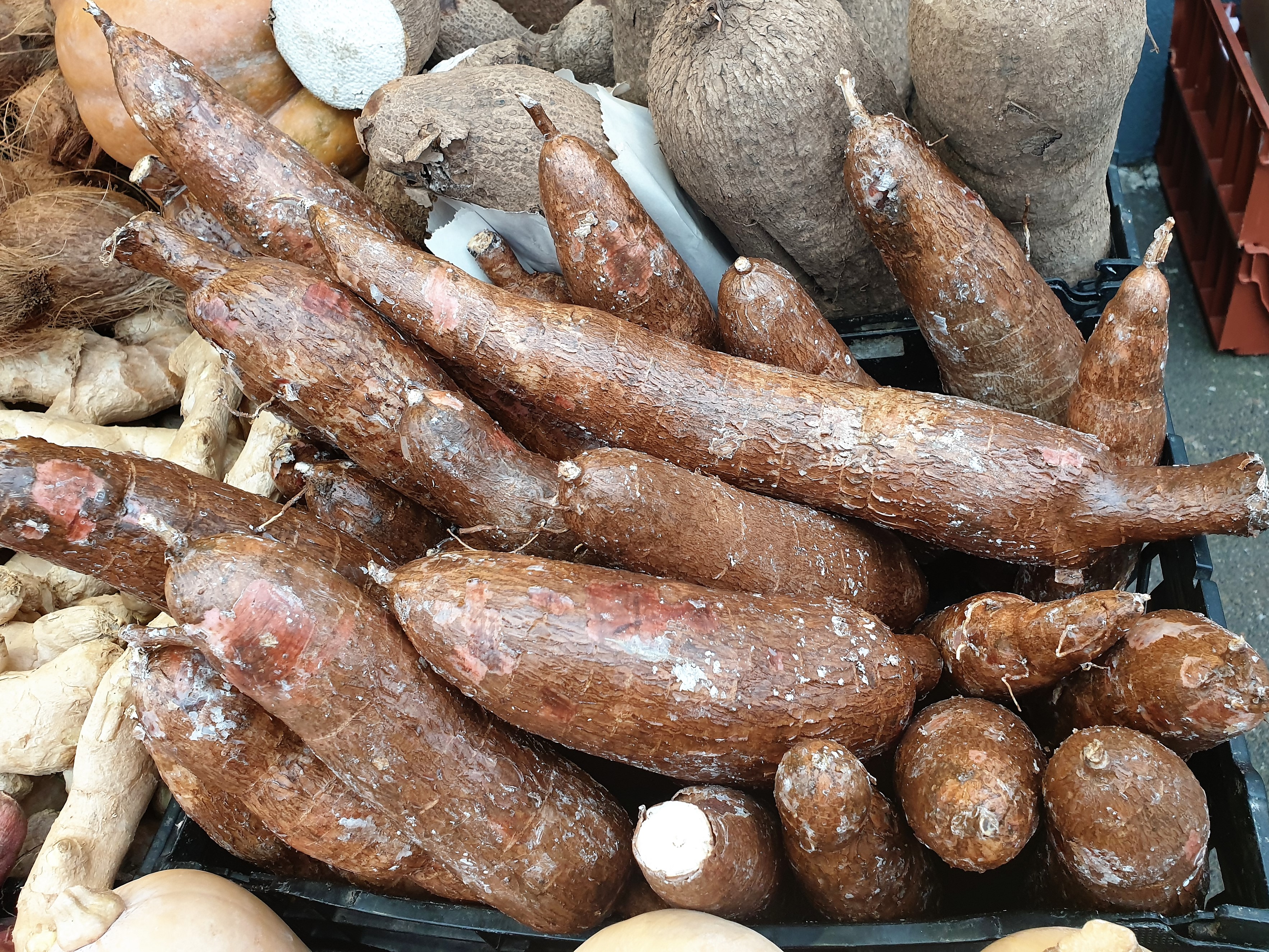
The second bill, the National Cassava Policy Coordination Council Bill, 2026 (SB. 254), would set up a central body to oversee the mandatory inclusion of cassava flour in edible flour production and to push cassava into bio-ethanol and starch production. The National Assembly Library Trust Fund noted that Nigeria is the world's largest cassava producer yet leaves much of the sector's industrial potential untapped, and the council is meant to connect smallholder growers to industrial off-takers and turn the crop into what the report described as "white gold" for domestic use and export.
The Rice Self-Sufficiency Push
The third bill, the National Rice Development Council of Nigeria (Establishment) Bill, 2026 (SB. 541), confronts one of Nigeria's largest economic drains. The National Assembly Library Trust Fund reported that Nigeria spends an estimated $2 billion a year on rice imports to bridge the gap between domestic production of 5.1 million tonnes and consumption of 7.4 million tonnes, a shortfall of 2.3 million tonnes. The council would coordinate research into flood-resistant and high-yield seeds, regulate production standards, and oversee milling modernisation. Senator Mustapha described the bill as a "prosperity engine" intended to move rice farmers from subsistence to commercial scale.
What It Means for Prices
Each bill targets a different lever on the food price chain, the buffer stock that smooths scarcity, the cassava value addition that could substitute for imported wheat flour, and the rice production gap that keeps a staple tethered to the naira's exchange rate. Whether legislation translates into shelf prices is a separate question, since a council or an agency only matters once it is funded and operational. FoodPrices Nigeria tracks rice, garri and other staples across Lagos markets and will monitor whether these legislative moves eventually register at the market level.