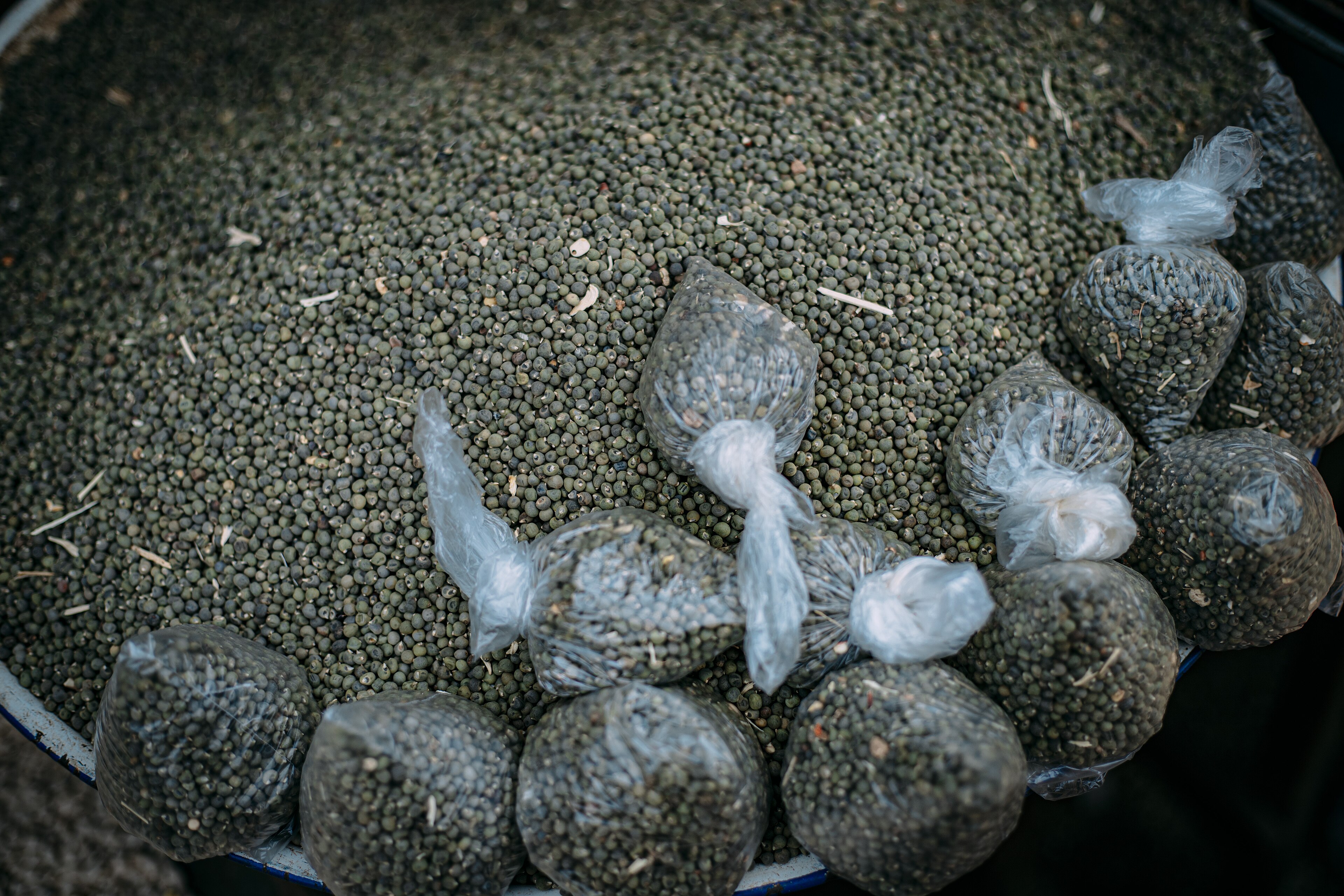
A prolonged dry spell has forced an emergency response in northern Nigeria. The Federal Government has begun distributing certified seeds to about 4,935 smallholder farming households in Jigawa State to cushion the impact of a dry spell that disrupted the 2026 planting season, according to Arise News.
A Season Under Threat
The Minister of Agriculture and Food Security, Senator Abubakar Kyari, flagged off the distribution in Shiwarin, Jigawa State, explaining that the intervention was approved under the Seeds for Renewed Hope Intervention Programme to help affected farmers salvage what remained of the planting season, the same report noted. The dry spell was not a surprise. The Nigerian Meteorological Agency had warned in its 2026 Seasonal Climate Prediction of prolonged dry spells, including stretches of up to 21 days during the June to August period in some regions, according to Punch.
Why Replanting Matters
The state commissioner for agriculture said the intervention would support about 5,000 smallholder farmers and help restore agricultural production, protect household livelihoods and strengthen food and nutrition security, according to Arise News. For farmers who planted once and watched the rains fail, certified seed is the difference between a second chance and an empty harvest.
A Fragile Backdrop
The intervention lands against a difficult food-security picture. Food inflation stood at 17.52 per cent year-on-year in June 2026, according to Leadership, and Save the Children has projected that 36.2 million Nigerians across 26 states and the Federal Capital Territory could face acute food and nutrition insecurity during the 2026 lean season, according to Tribune Online. Climate shocks like this dry spell are precisely the kind of pressure that tightens supply and lifts prices.
FoodPrices Nigeria tracks verified retail prices for grains and staples across Lagos markets, where a poor northern season eventually reaches the shopper. The coming harvest will show whether interventions like this one held the line.