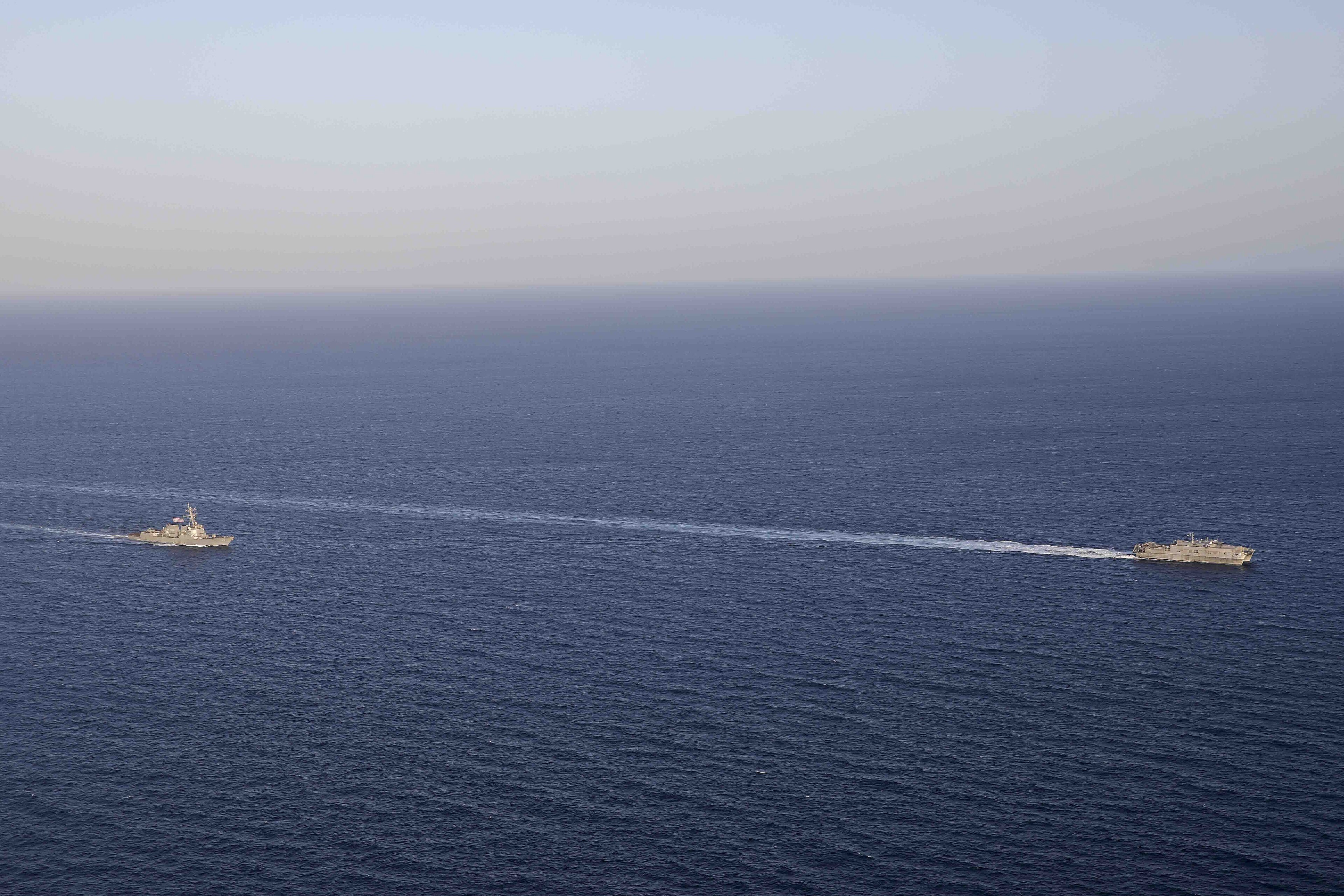
The world's food is still taking the scenic route. Since renewed insecurity flared in the Red Sea in early 2026, major carriers have kept diverting ships around the Cape of Good Hope, extending delivery times and raising the landed cost of goods into Africa, according to the Bloomsbury Intelligence and Security Institute. Import-dependent sectors including food processing face margin pressure from longer lead times and higher risk-related costs, and those costs are likely to be passed to consumers, especially in markets with weak currencies and thin inventory buffers.
The Numbers Behind the Delays
Diversions around the Cape typically add more than ten days to a voyage and come with higher war-risk insurance premiums, the same report noted, citing UN Trade and Development. The strain shows up directly in grain shipping. The Agricultural Market Information System reported that the freight cost of moving Russian wheat to Indonesia rose about 30 per cent from a year earlier, and that the freight share of landed grain costs has risen by roughly two to three percentage points, feeding into higher delivered prices, even as global grain and oilseed trade hit record levels between March and May 2026, according to AMIS.
A Possible Turn Ahead
There is a scenario where relief arrives. Some carriers have begun testing a return through the Suez Canal, and analysts expect that once schedules stabilise and idle capacity floods back, freight rates could fall, according to Zencargo, though a full, reliable return is not yet assured. Until then, the long way round keeps a premium on every imported tonne.
Nigeria buys wheat, rice and fish from abroad, and every extra day at sea and every insurance surcharge adds to the shelf price. FoodPrices Nigeria tracks verified retail prices across Lagos markets, where the cost of distant shipping lanes eventually surfaces.