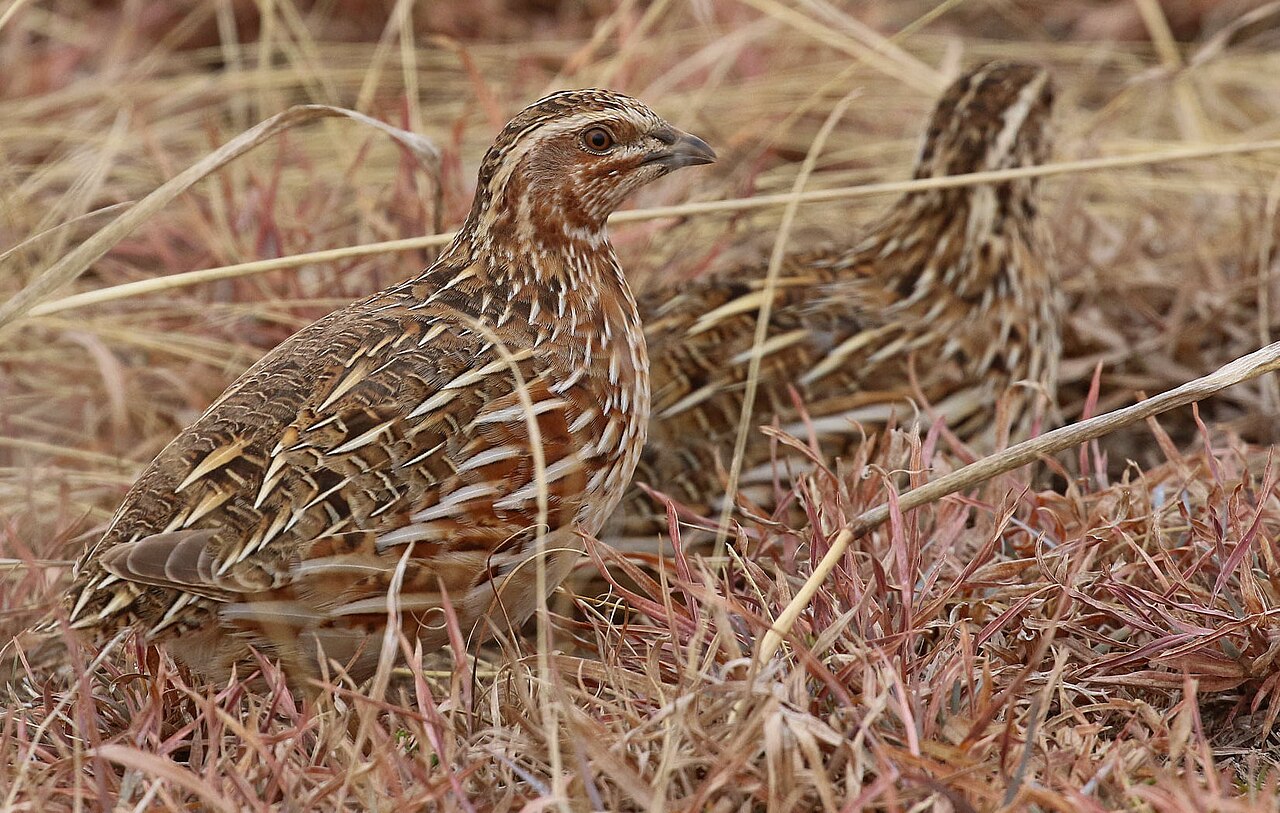
As the cost of raising chickens climbs, a growing number of Nigerian farmers are switching to a much smaller bird that promises faster cash. Quails are cheap to house, eat far less than chickens and lay eggs almost every day, and small-scale farmers are discovering that rearing them can bring in quicker returns, according to Tribune.
A Bird Built for Lean Times
The economics are the draw. Quails eat much less than chickens, so a single bag of feed lasts significantly longer and lowers overall operating costs, and the birds have a high resistance to common poultry diseases, which cuts the money farmers lose to sickness, Tribune reported. Because a female quail can lay an egg a day and the birds need only a small floor space, quail farming lets smallholders start small and scale up without the land or capital that broiler poultry demands, according to The Poultry Site.
Cheaper, Leaner Protein
Quail products also sell on health. Quail meat and eggs are widely marketed as tastier and lower in fat and cholesterol than chicken, and quail eggs command steady demand from health-conscious buyers and are often prized for their perceived medicinal value, according to The Poultry Site and a Nigerian production guide published by Agroye. That reputation gives farmers a ready market in supermarkets, local markets and among individual buyers, Tribune noted.
Still a Small Corner of the Market
For all its promise, quail remains a niche. Most commercial poultry investment in Nigeria still flows to chicken, leaving quail farming small in scale and under-developed, and its contribution to food and nutrition security has been largely overlooked by extension workers and policymakers, according to a regional review carried by the National Library of Medicine. That review also flagged the sector's biggest vulnerability, noting that feed can account for close to 70 per cent of production costs, which ties quail keepers to the same volatile maize and soybean prices that squeeze the wider poultry industry.
Why It Matters for the Plate
Animal protein has become a luxury for many Nigerian households as prices climb, and cheaper, faster-maturing livestock offers one way to close the gap. A bird that needs little land, little feed and little capital fits a moment when protein affordability is under strain. FoodPrices Nigeria tracks verified retail prices for eggs and proteins across Lagos markets, where the search for affordable protein is reshaping what families put on the table.
#Quail, #Poultry, #CheapProtein, #Eggs, #Nigeria, #Lagos, #FoodPrices, #Agribusiness, #FoodSecurity