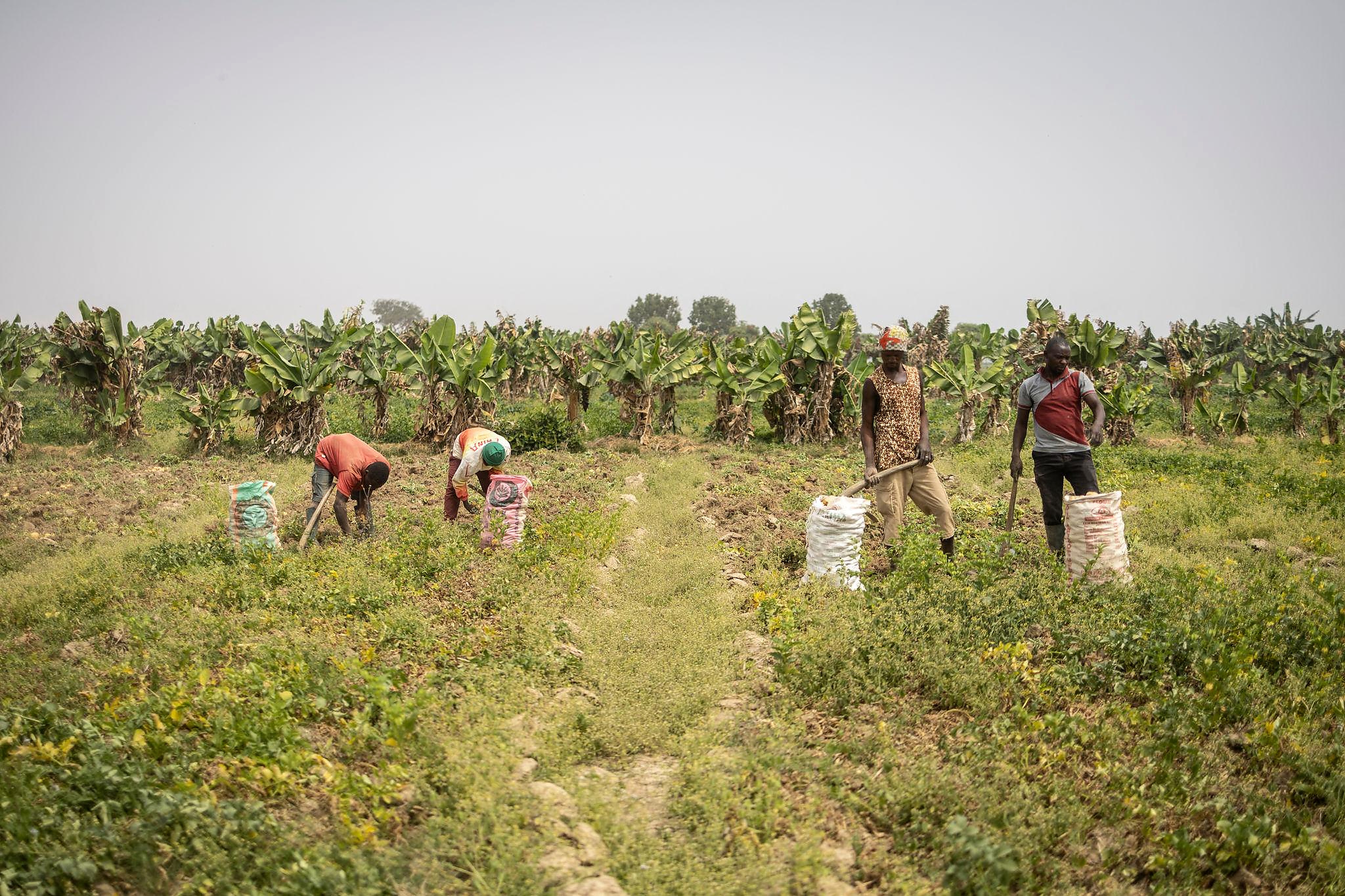
Plateau State has endorsed and launched a Strategic Food Security Plan aimed at strengthening its agricultural sector, improving livelihoods and enhancing food security across communities, according to a Premium Times report carried by AllAfrica. The plan, unveiled in Jos, was developed under the Strengthening Peace and Resilience in Nigeria Programme and implemented by the Supply Chain Research and Innovation Hub in collaboration with the state government.
A Plan Built With Communities
The initiative brought together representatives of the state Ministry of Agriculture and Rural Development, officials from the Mangu, Pankshin and Shendam local government areas, community leaders, researchers and other stakeholders, all of whom contributed to shaping the strategy, according to the same report. Beyond the plan itself, the programme produced an Early Warning and Early Response Framework designed to help the state anticipate and respond to food security shocks before they deepen, the Regional Programme Manager of the Strengthening Peace and Resilience in Nigeria Programme, Mujidang Sitang, said at the launch.
Inclusion at the Core
The Executive Director of the Supply Chain Research and Innovation Hub, Adebayo Adeleke, represented by Yusuf Akorede, said the plan provides a comprehensive framework for transforming Plateau's agricultural sector while ensuring that women, persons with disabilities and other vulnerable groups are actively involved in efforts to strengthen food security, according to Premium Times. The Director of Agricultural Services in the state Ministry of Agriculture and Rural Development, Lang Zakka, described the partnership as a significant step for the state.
Why Plateau Needs It
The plan responds to real pressure. Plateau is among the north-central states named in the Food and Agriculture Organisation's 2026 to 2028 Emergency and Resilience Plan, a three-year, $347 million effort to support 12.6 million vulnerable people across Nigeria's northeast, northwest and north-central regions, according to the FAO. Nationally, the Cadre Harmonisé analysis projected that 34.7 million people across 27 states and the Federal Capital Territory could be food insecure between June and August 2026, with insecurity and climate shocks among the main drivers, as The Guardian reported.
A credible state-level plan is only as good as its delivery, but a framework that ties production support to early warning gives Plateau a sharper tool than most. FoodPrices Nigeria tracks verified retail prices across Lagos markets, and follows the state-level efforts that shape the national supply picture behind those prices.