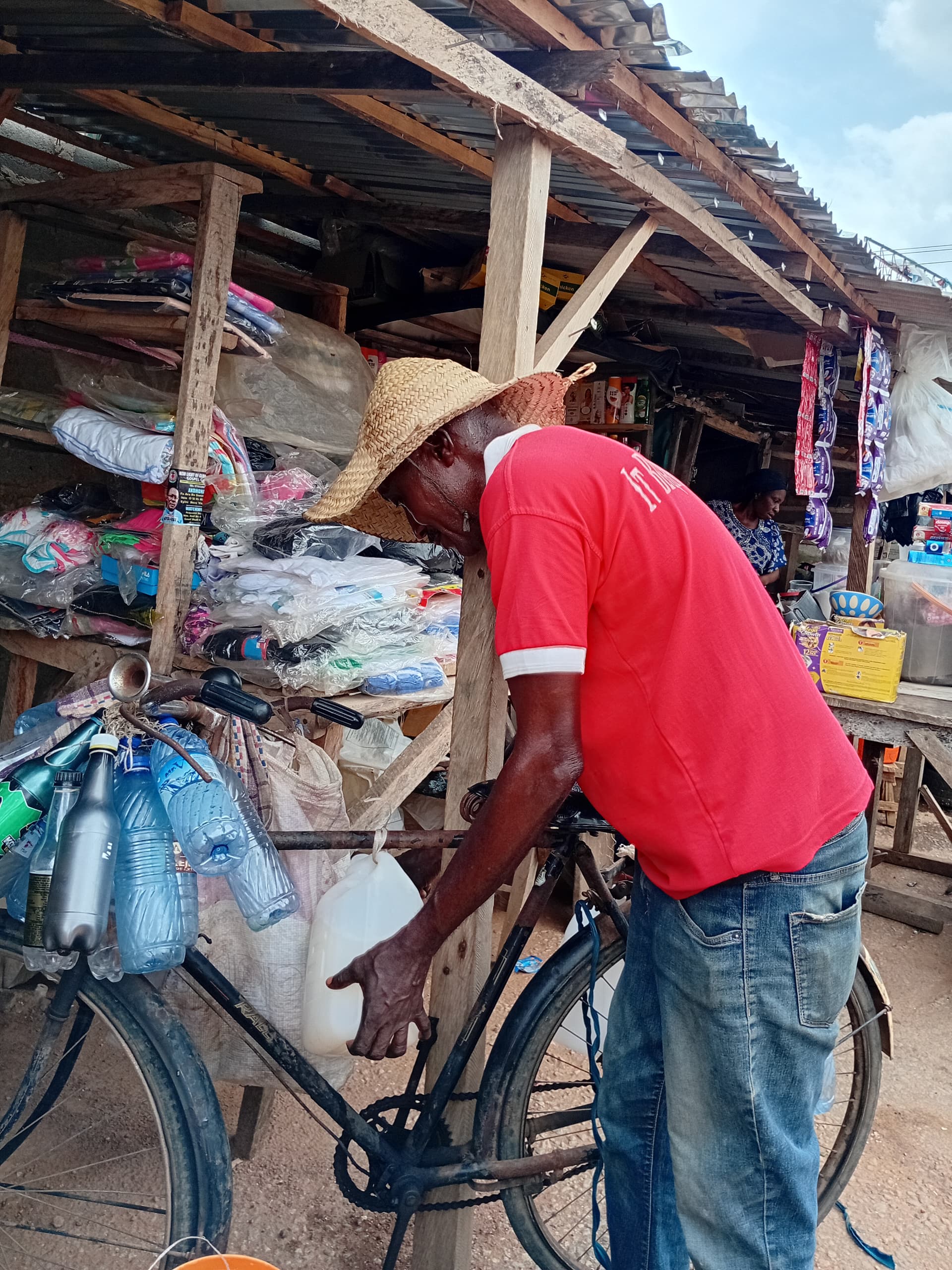
Few drinks are woven as deeply into Nigerian social life as palm wine, the milky sap tapped from raffia and oil palms and known as emu among the Yoruba and nkwu or pami among the Igbo. It is served at weddings, funerals and village gatherings, and it supports a large informal economy of tappers, transporters and bar owners, according to a guide to the trade by StartupTipsDaily.
A Drink That Rarely Travels
For all its popularity, palm wine almost never leaves the communities that make it. Its very short shelf life, unhygienic storage and the common practice of adulterating the sap with roots and other additives that alter its taste and colour have kept it a local product with no meaningful export trade and no recorded contribution to national output, according to a study in the Merit Research Journal. The same study argued that, given the size of the global market for wines and spirits, a properly preserved Nigerian palm wine could earn real foreign exchange if those constraints were solved.
Entrepreneurs Try to Crack It
A few businesses have shown it can be done. The Ghanaian family firm Nkulenu has exported bottled palm drink to the United States and Europe for years, shipping more than 250,000 bottles annually to consumers that include West Africans in the diaspora and curious newcomers, according to a widely cited industry profile by entrepreneur John-Paul Iwuoha on LinkedIn. In Nigeria, the startup Pamii, founded by Daniella Ekwueme, set out to bottle the beverage at about 4 per cent alcohol and build a modern brand around it aimed at younger drinkers, according to a cultural history of the drink published by the Chrysler fellowship.
The Value Left on the Tree
The prize is significant. Iwuoha noted that Nigeria spends heavily on imported sparkling wines each year, money that could partly flow instead to a home-grown beverage with a distinctive taste, according to LinkedIn. Bottling, pasteurising and standardising palm wine would not only open export markets but also lift the incomes of the rural tappers who climb the palms, turning a fragile, perishable sap into a shelf-stable product.
FoodPrices Nigeria tracks verified prices across Lagos markets and follows the drinks and foods whose value is capped by how far, and how long, they can travel. Palm wine, for now, mostly stays close to the tree.