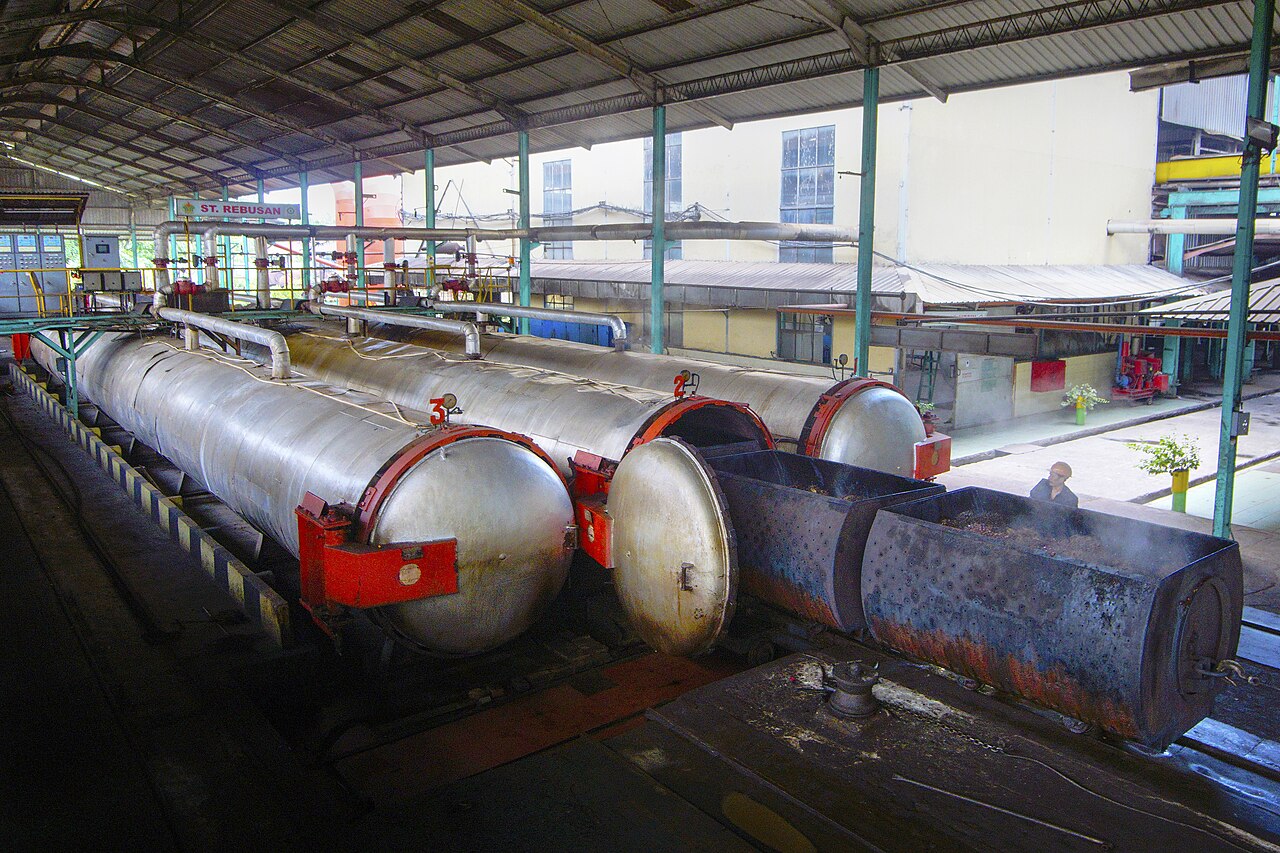
Nigeria's biggest palm oil companies are making a long bet on the nation's kitchens. Rather than hand shareholders the windfall from high crude palm oil prices, they are spending it on more trees and more mills.
Record Profits, Reinvested
Presco Plc and Okomu Oil Palm Plc, the two dominant listed producers, posted a combined profit of ₦72.86 billion in the first quarter of 2026, up from ₦69.32 billion a year earlier, and are recycling much of that cash into expanding production, reflecting confidence that domestic demand will keep outstripping local supply, according to BusinessDay. The same report noted Presco generated ₦62.7 billion in operating cash flow in the quarter and roughly doubled its capital spending on property, plant and equipment to about ₦6.4 billion, while Okomu invested close to ₦1 billion and kept funding immature plantations meant to yield future harvests.
Strong Quarters, Strong Balance Sheets
The individual results underline the momentum. Okomu recorded a pretax profit of ₦34.09 billion in the first quarter, up 5.88 per cent, on revenue of ₦58.9 billion, with almost 93 per cent of sales made inside Nigeria, according to Nairametrics. Presco extended its own profit run, lifting first-quarter net profit to ₦49.25 billion and pretax profit 18 per cent to ₦69.2 billion on stronger sales of crude and refined products, according to BusinessDay. Both companies closed 2025 with record annual earnings, with Presco's pretax profit rising 57.3 per cent to ₦178.56 billion, according to Tekedia.
A Deficit That Underwrites the Bet
The strategy rests on a stubborn shortfall. Nigeria consumes an estimated 2.1 million to 2.2 million tonnes of edible oil a year but produces only about 1.9 million tonnes, a gap filled largely by imports from Malaysia and Cote d'Ivoire worth more than $600 million annually, according to BusinessDay. National palm oil output reached about 1.57 million tonnes in 2025 yet still trailed demand by more than a million tonnes, and smallholders, who account for over 80 per cent of production, remain hampered by ageing trees and outdated processing, according to reporting on the sector by The Rio Times. Nigeria was the world's top palm oil producer in the 1960s and is now trying to rebuild that lost ground.
Cooking oil is a daily essential, so the size of the home crop feeds straight into household costs. FoodPrices Nigeria tracks verified prices for oils and staples across Lagos markets, where the payoff from bigger domestic production would eventually show up on the shelf.
#PalmOil, #Presco, #Okomu, #EdibleOil, #Investment, #Nigeria, #Lagos, #FoodPrices, #Agriculture, #Manufacturing