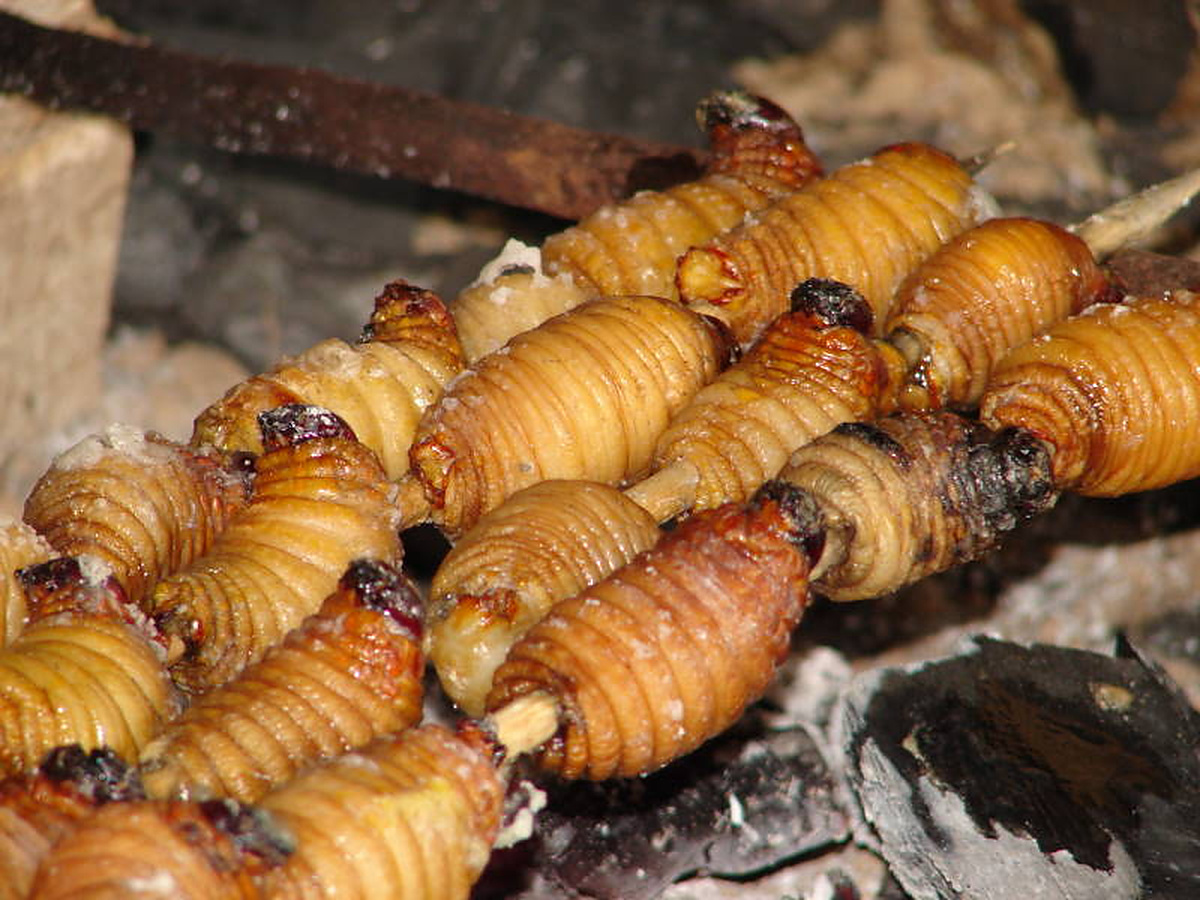
One of the cheapest, most protein-dense foods in Nigeria is not raised on a farm at all, at least not yet. Palm weevil larvae, a soft, fatty grub harvested from felled palm trees, have been eaten across southern Nigeria for generations, and as rising food prices push meat further out of reach, they are being reconsidered as a way to help close a nutrition gap estimated at $1.5 billion, according to EnviroNews Nigeria.
Small Bug, Big Nutrition
The nutritional case is strong. The Food and Agriculture Organisation has identified mini-livestock such as edible insects as an important pathway to better food security, pointing to their high-quality protein and far smaller environmental footprint than conventional livestock, according to EnviroNews Nigeria. Palm weevil larvae are rich in iron and zinc, nutrients that matter greatly given that an estimated 51 per cent of Nigerian women of reproductive age are anaemic, the same report noted. More broadly, edible insects carry protein levels ranging from about 35 to 60 per cent of dry weight and supply iron and zinc in amounts comparable to beef, according to research carried by the National Library of Medicine, which noted that some two billion people across 113 countries already eat insects.
From Wild Harvest to Farm
The opportunity lies in moving from foraging to farming. Palm weevil larvae have largely been gathered informally from decaying palm trees, but semi-cultivation, in which the beetles are bred near homes and gardens, can produce the grubs all year round and turn a seasonal snack into a steady business, according to a study on domestication of the African palm weevil published by IntechOpen. The economics are inviting because insect farming needs little land or start-up capital and suits Nigeria's tropical climate, though it still requires planning and training, according to Prime Progress, which reported that crickets, grasshoppers, termites and caterpillars are also eaten in pockets of the country.
The Barriers
Two hurdles stand out. The first is culture, since insect eating in Nigeria is real but fragmented and rarely acknowledged as mainstream nutrition, according to Prime Progress. The second is scale, because most supply still comes from inconsistent wild harvesting rather than controlled farming, and the sector needs better breeding and processing to grow, as EnviroNews Nigeria reported. Processing the grubs into powders and fortified snacks is one way to widen acceptance, an approach researchers have tested in fortified biscuits carried by the National Library of Medicine.
Whether Nigerians embrace it or not, a protein this cheap and this local is hard to ignore when meat is dear. FoodPrices Nigeria tracks verified retail prices for proteins across Lagos markets, where the hunt for affordable nutrition keeps widening.
#EdibleInsects, #PalmWeevilLarvae, #AlternativeProtein, #Nutrition, #Nigeria, #Lagos, #FoodPrices, #FoodSecurity, #MiniLivestock