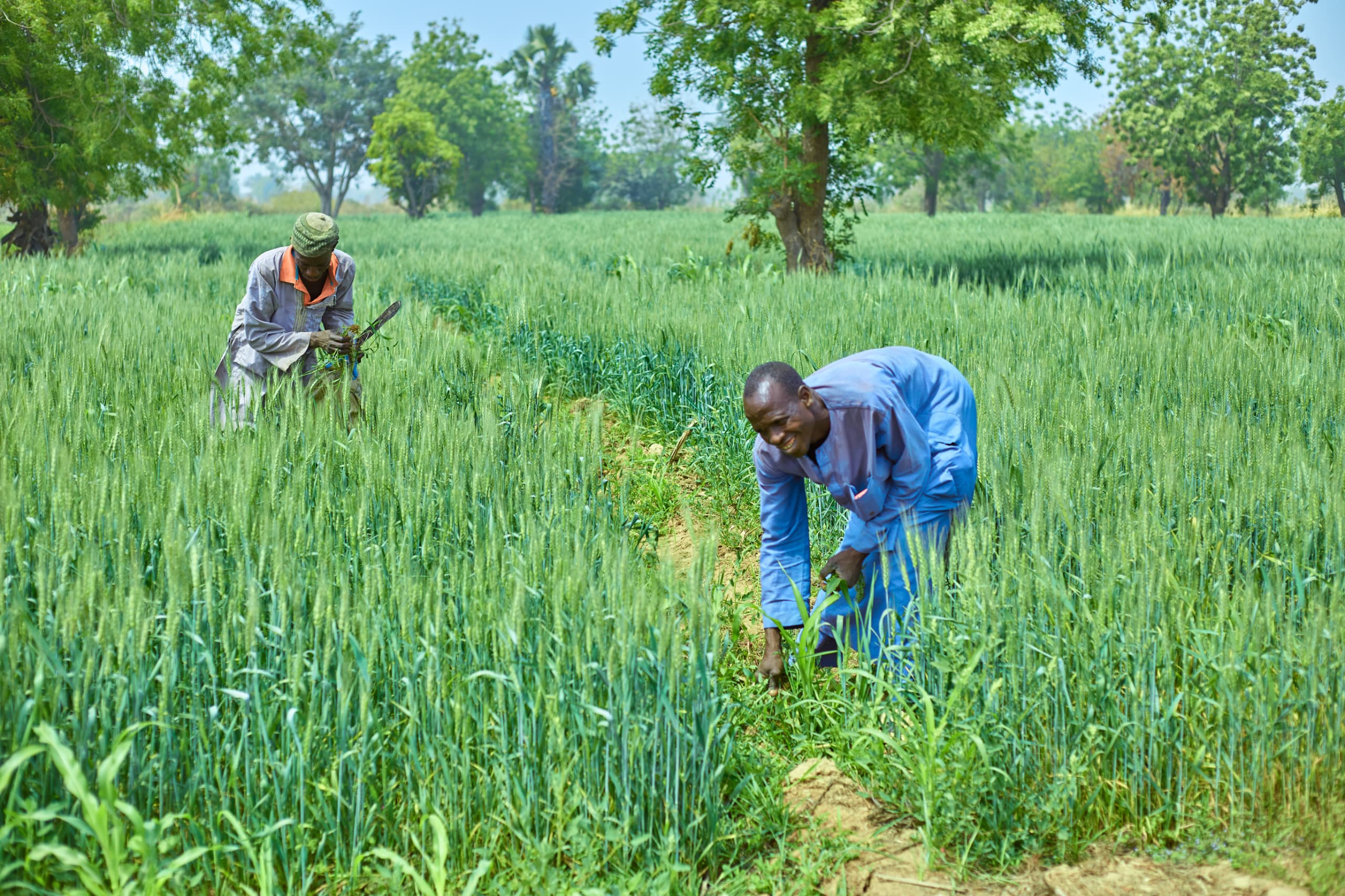
Nigerian rice farmers are scaling back their plans for the 2026 planting season as a paddy price slump, high production costs and a struggling milling industry squeeze their margins. The price of a tonne of paddy has fallen 51 per cent to ₦350,800 from a 2025 peak of ₦720,000, weighed down by a surge in cheap imports and smuggling, according to BusinessDay.
Kebbi Pulls Back
The pressure is sharpest in Kebbi, which accounts for more than 70 per cent of Nigeria's rice output. Fewer than 30 per cent of the state's over 500,000 rice farmers cultivated the grain in the just-ended dry season, and many are now holding back for the wet season, a former state chairman of the Rice Farmers Association, Muhammed Augie, told BusinessDay. He said many remain stuck with dry-season harvest as the local market thinned out, and some are diversifying into sorghum, soybean and sesame.
A Shrinking Footprint
A March 2026 grain report by the United States Department of Agriculture projected Nigeria's rice production area to fall 7 per cent to 4.2 million hectares in the 2026/2027 season from 4.5 million hectares, citing low prices, high production costs and worsening insecurity, the BusinessDay report noted. The strain is compounded by the 2026 fiscal policy that cut the bulk rice import tariff to 47.5 per cent from 70 per cent, which the Rice Millers Association of Nigeria's national chairman, Peter Dama, warned would further drive cheaper imports as local millers struggle to compete on cost.
Cheaper rice at the till today can mean less locally grown rice tomorrow. FoodPrices Nigeria tracks verified rice prices across Lagos markets, where the balance between imports and local supply plays out in what households pay week to week.