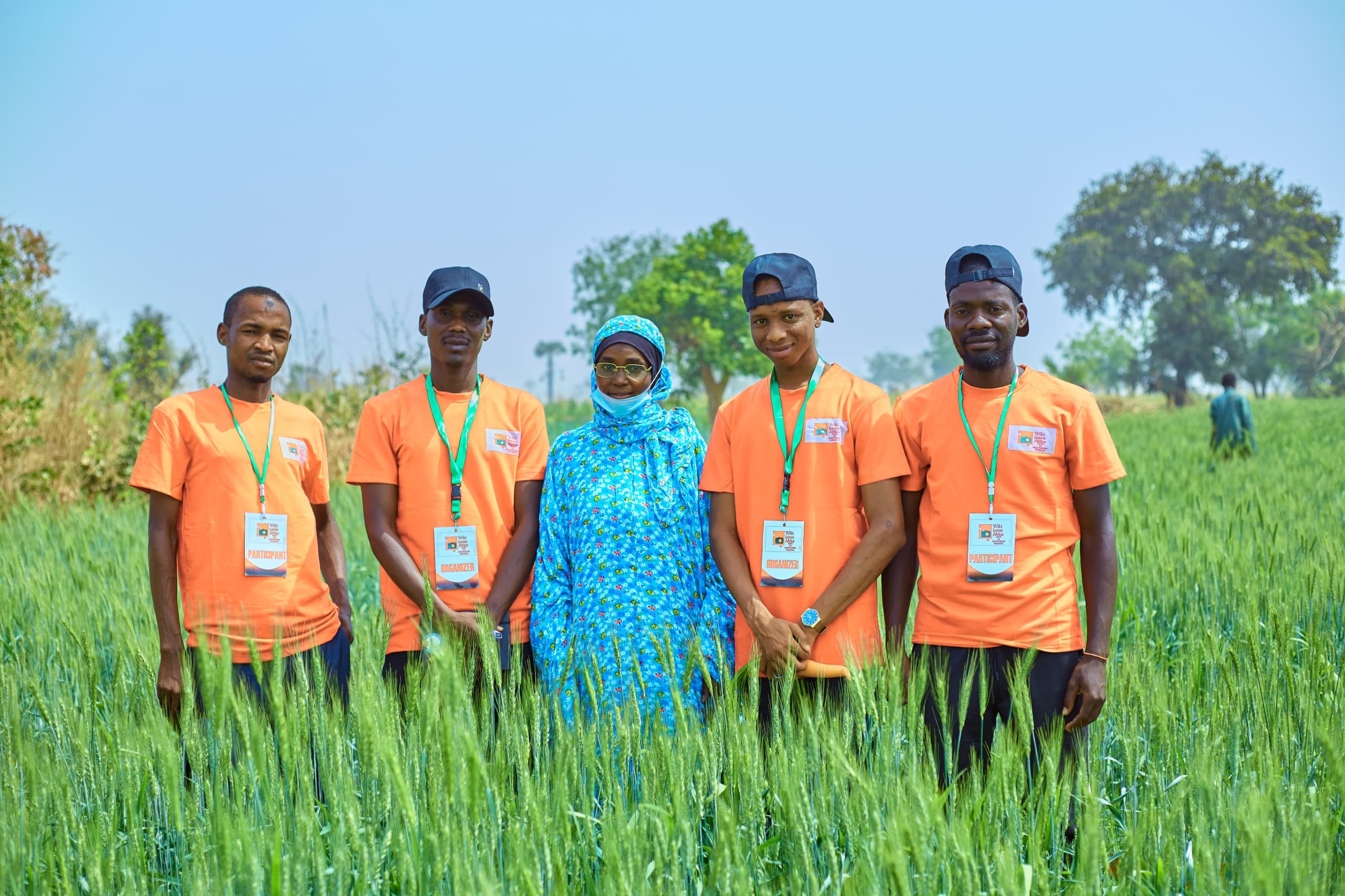
Oyo State has begun schooling its farmers in how to keep growing food as the weather turns against them. The state government opened a three-day training for 880 farmers and agricultural extension officers in climate-smart agriculture, starting in the town of Oyo, according to the Nigeria Gazette.
Why Climate-Smart
The Commissioner for Agriculture and Rural Development, Olasunkanmi Olaleye, described climate-smart agriculture as critical to the future of food production in the face of climate change, soil degradation, unpredictable weather patterns and a growing population, according to Tribune Online. The programme is being run under the State Action on Business Enabling Reforms initiative and is designed in part to reduce the post-harvest losses that erode both farmer incomes and national supply, according to the Nigeria Gazette.
Extension Officers Back in the Field
By training extension officers alongside farmers, the state is trying to rebuild the advisory chain that carries new techniques from research stations to the field. Olaleye called for continuous investment in rural infrastructure, supportive policies, access to digital technology, agricultural education and financial support for smallholders, insisting that no farmer should be left behind, according to Tribune Online. Extension coverage has thinned across much of the country, so training the trainers is a low-cost way to reach far more farmers than a single workshop can.
The Weather Pressure Is Real
The urgency is grounded in the season's own forecast. The Nigerian Meteorological Agency warned in its 2026 Seasonal Climate Prediction of variable rainfall, prolonged dry spells, a severe August Break in some areas and generally warmer temperatures, according to the agency's statement, with dry spells of up to 21 days projected in parts of the country during the June to August window, according to Punch. Techniques such as drought-tolerant varieties, better timing of planting and improved storage are exactly what climate-smart training is meant to spread.
Why It Matters
Weather shapes harvests, and harvests shape prices. The National Bureau of Statistics put food inflation at 17.52 per cent year-on-year in June 2026, according to Premium Times, while the Cadre Harmonisé analysis projected 34.7 million Nigerians at risk of food insecurity between June and August, according to The Guardian. FoodPrices Nigeria tracks verified retail prices across Lagos markets, where the payoff from more resilient farming eventually shows up in steadier supply.