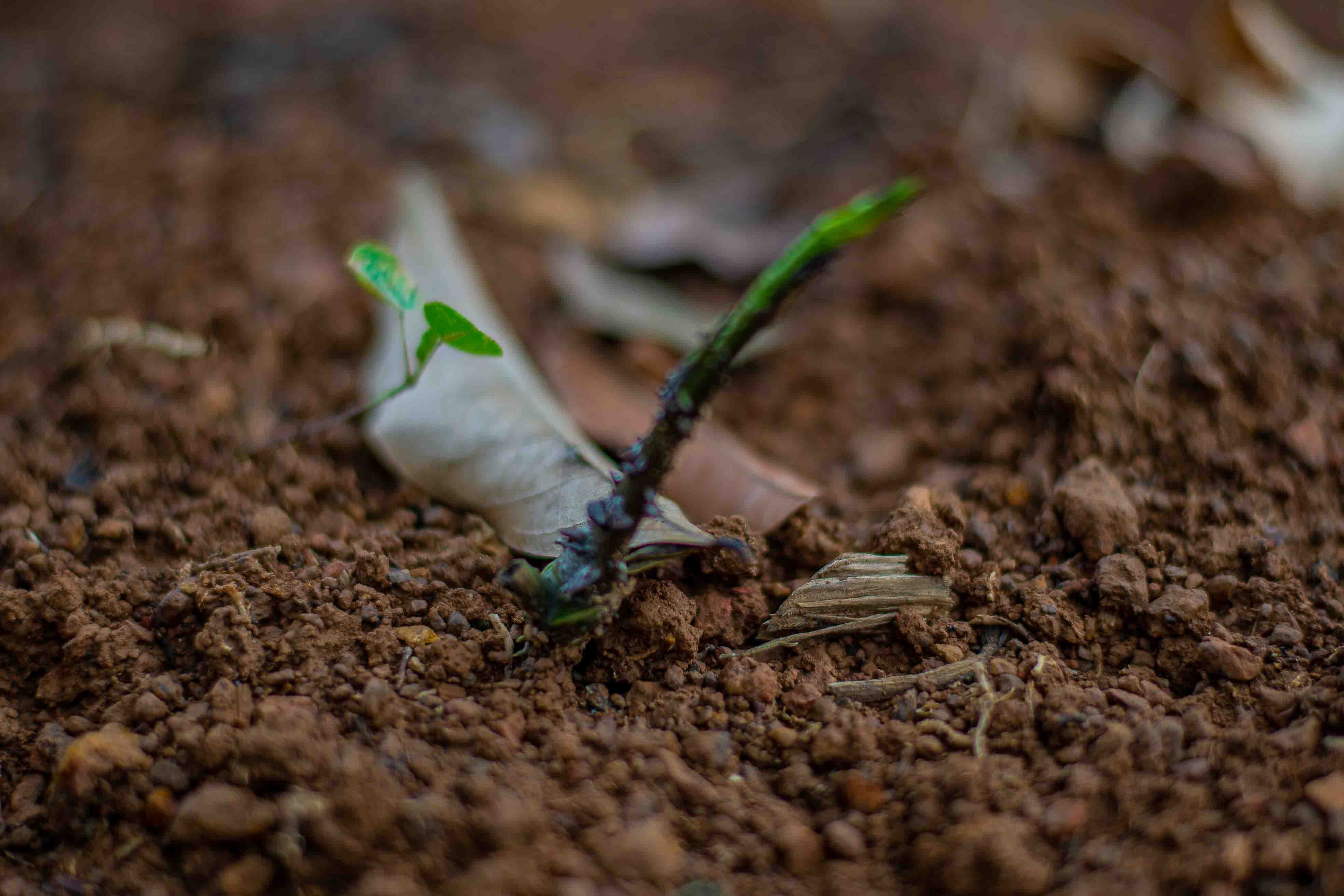
One Acre Fund Nigeria has commenced the distribution of agricultural inputs for the 2026 planting season, targeting 88,000 smallholder farmers across four middle-belt and north-central states in a programme aimed at bridging the financing and distribution gaps that prevent farmers from accessing quality inputs at the start of the season.
The Scale of the Intervention
The organisation is distributing about 9,000 metric tonnes of agricultural inputs on credit to participating farmers across Nasarawa, Niger, Kwara, and Plateau States. The distribution exercise is expected to be completed by May 31, 2026. Inputs distributed include fertiliser, improved seeds, and protective equipment including masks and gloves. LEADERSHIP Newspapers
The credit-based model is central to One Acre Fund's approach. Under the organisation's credit model, farmers are able to enrol with a small upfront payment, access inputs such as fertiliser, seeds, and protective equipment, and repay over a period of five to six months, allowing them to purchase inputs before they have the cash to pay for them outright. LEADERSHIP Newspapers
The Programme's Track Record
Since its entry into Nigeria in 2018, One Acre Fund has expanded its reach to more than 600,000 farmers across its operational states, with interventions focused on improving productivity, resilience, and farm income. The programme is designed to drive significant yield improvements, with farmers often experiencing a near doubling of maize yields and an average income increase of approximately $328 per household per season. LEADERSHIP NewspapersPunch
Women and Youth at the Centre
The phased distribution ensures that women and youth represent over 35% of participating farmers, addressing persistent barriers of limited credit access that disproportionately affect these groups. This targeting reflects the structural exclusion of women from formal agricultural finance, where land title requirements and collateral demands have historically locked out the majority of female farmers. Nigeria Startup News
Why This Season Matters
As Nigeria enters the 2026 planting season, the country's food system continues to face structural constraints, including rising input costs, limited access to agricultural finance, and persistent inefficiencies in distribution at the community level. Punch
With food inflation re-accelerating to 16.06% in April 2026 and the 2026 lean season projected to be the most severe on record, the ability of smallholder farmers in Nasarawa, Niger, Kwara, and Plateau to put in a full planting of maize, sorghum, and rice this season has direct implications for national supply.
FoodPrices Nigeria monitors prices for maize, rice, garri, beans, and other staples across Lagos markets. Supply from smallholder farms in north-central Nigeria is a core input into the prices Lagos consumers face each week.