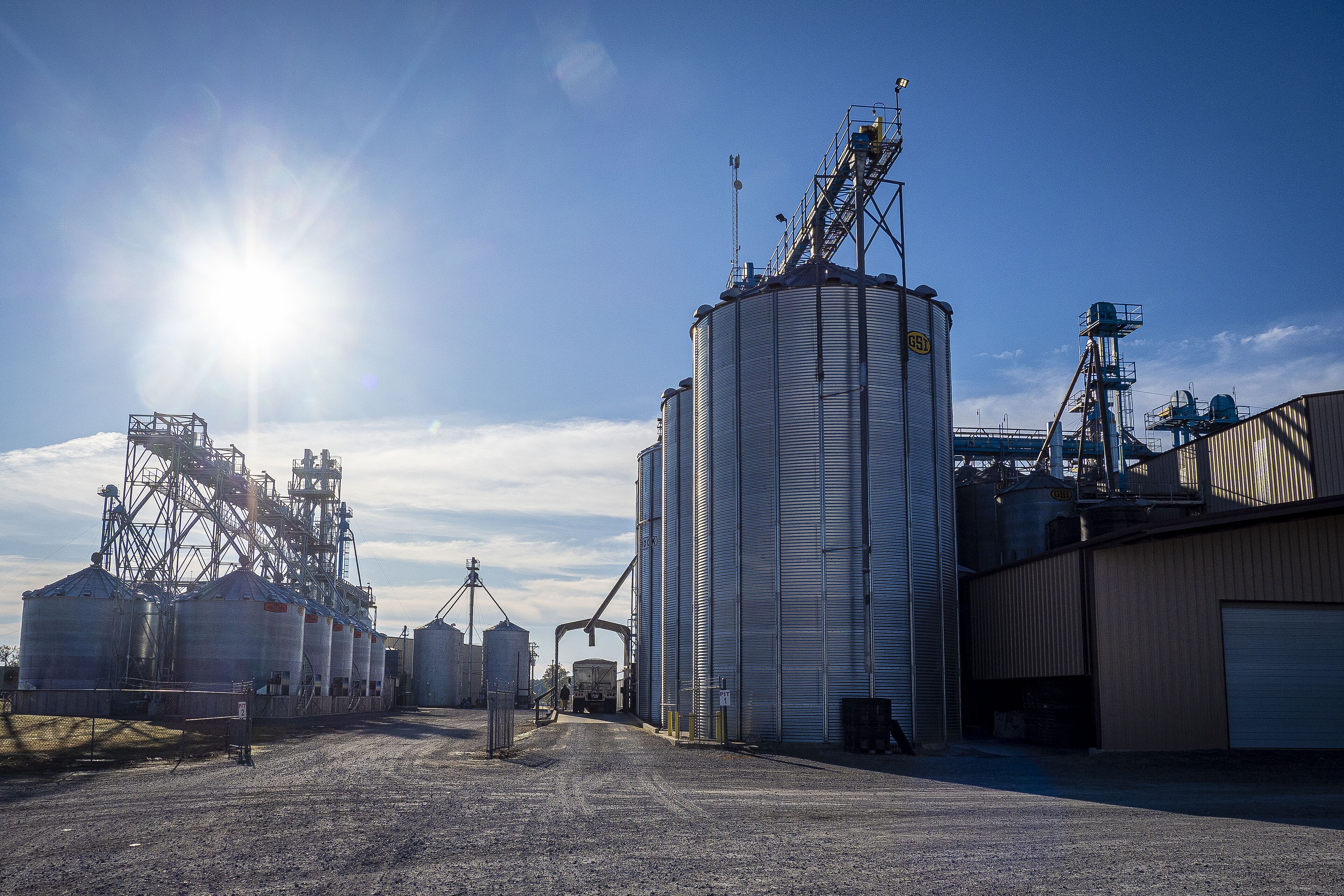
Olam Agri has opened a $50 million soybean crushing plant and feed milling facility in Ilorin, Kwara State, in a move that strengthens Nigeria's domestic food processing capacity. The integrated plant is described as the largest of its kind in sub-Saharan Africa, with an annual processing capacity of between 250,000 and 350,000 metric tonnes of soybeans.
Local Sourcing at the Core
The facility is built around a domestic supply chain. According to Olam Agri, the plant sources soybeans locally from more than 300,000 smallholder farmers, a structure designed to reduce reliance on imports while channelling income directly to rural producers. The output targets two markets under sustained pressure: high-quality animal feed for Nigeria's large poultry sector and edible oils for household and industrial use.
Why a Domestic Crusher Matters
Nigeria's cooking oil and feed segments have leaned heavily on imported raw material, a dependence that exposes prices to naira depreciation and global commodity swings. A large domestic crusher that buys its beans locally introduces a buffer against both. Anil Nair, Country Head and Managing Director of Olam Agri Nigeria, said the business will continue investing in key value chains, food safety, and economic growth in line with the government's Renewed Hope Agenda.
The plant also feeds into a longer industrial logic. Soybeans crushed domestically yield both oil and the protein-rich meal that drives poultry and aquaculture feed, two of the fastest-growing protein sources for Nigerian households. Lower feed costs eventually filter into the price of eggs and chicken, even if the transmission takes time.
The Broader Picture
The investment lands during a wider push toward local value addition, with policymakers and private agribusiness alike arguing that processing raw commodities inside Nigeria, rather than exporting them raw and importing the finished product, is the route to more stable food prices.
FoodPrices Nigeria tracks cooking oils and proteins across Lagos markets. A new domestic competitor sourcing soybeans locally could introduce price competition in segments where costs have been driven by imported inputs and a weaker naira.