The Nigerian Meteorological Agency has warned of variable rainfall patterns, prolonged dry spells, a severe August Break in some areas and generally warmer temperatures across the country in its 2026 Seasonal Climate Prediction, according to the agency's own statement. The prediction was unveiled in Abuja by the Minister of Aviation and Aerospace Development, Festus Keyamo, and the NiMet Director General, Professor Charles Anosike.
An Uneven Picture Across the Country
NiMet projects normal annual rainfall across most of the country, with above-normal rainfall expected in Borno, Sokoto, Kebbi, Kaduna, Enugu, Cross River, Abia, Ebonyi, Akwa Ibom and the Federal Capital Territory, and below-normal rainfall anticipated in parts of Katsina, Zamfara, Kwara, Oyo and Ogun, the agency's statement showed. The forecast warns of severe dry spells exceeding 15 days between March and May in parts of Oyo and Ogun, as well as dry spells of up to 21 days during the June, July and August period in some regions.
Built on a Weak La Niña
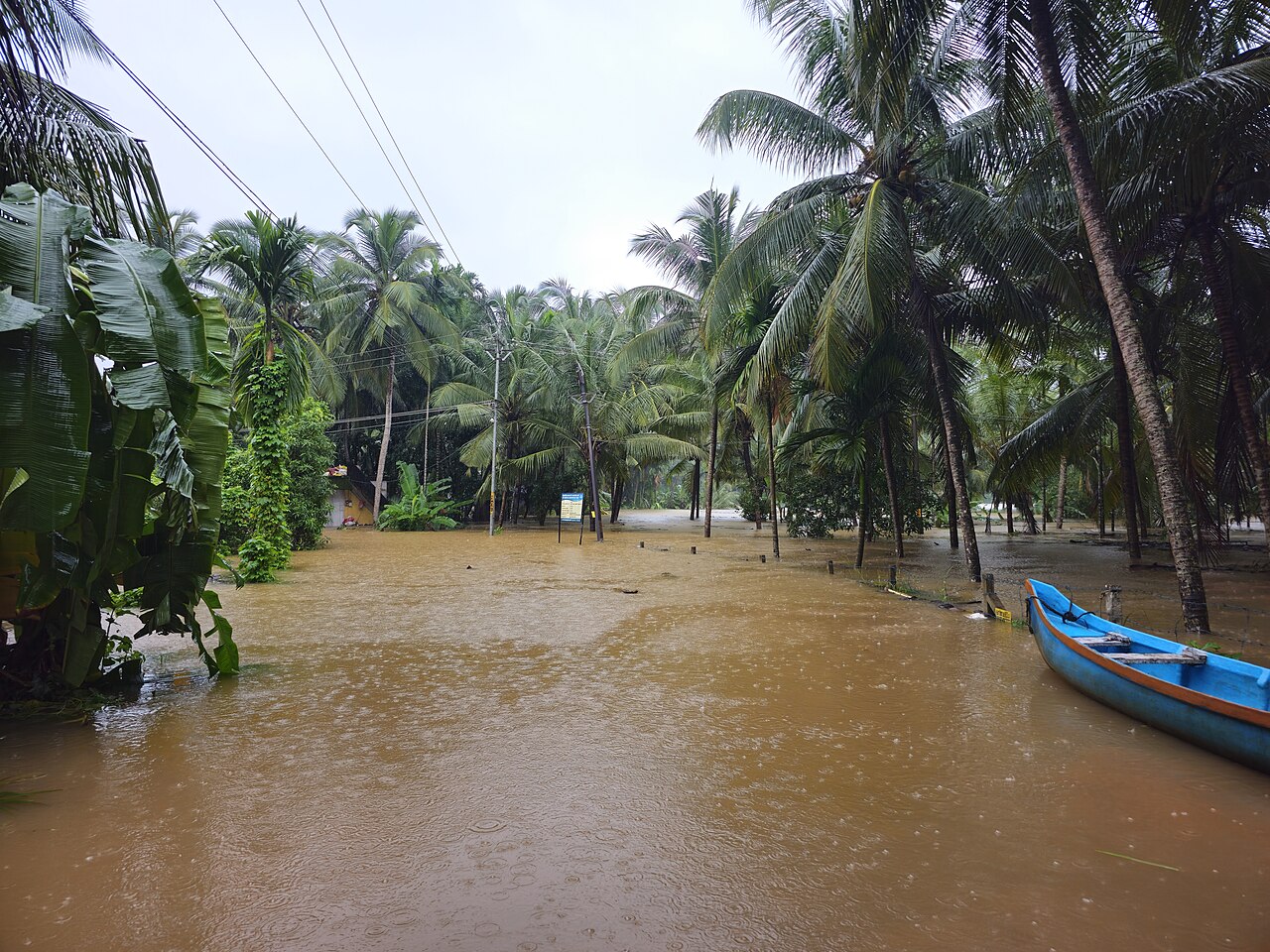
The 2026 prediction is based on a projected weak La Niña and a neutral phase of the El Niño–Southern Oscillation, and forecasts an early to normal onset of the rains, Punch reported. Southern regions were expected to see notable rainfall in January and February ahead of the full onset, raising the risk of localised flooding and waterlogging in low-lying areas, a pattern already visible in flash flooding reported in parts of Lekki in Lagos.
Treat It as an Early Warning
Keyamo described the prediction as a vital national tool that turns climate science into practical guidance, and cautioned Nigerians against reading the early rains in the south as the official onset of the season, advising farmers to rely on NiMet's predicted onset dates, the agency's statement noted. Commentators have stressed that the forecast functions as a planning document, with longer rainy seasons projected for Lagos and a dozen other states demanding earlier drainage clearance and adjusted planting advisories, as The Guardian argued.
Weather shapes harvests, and harvests shape prices. FoodPrices Nigeria tracks verified retail prices for grains, vegetables and tubers across Lagos markets, where the consequences of dry spells and floods eventually reach the shopper.