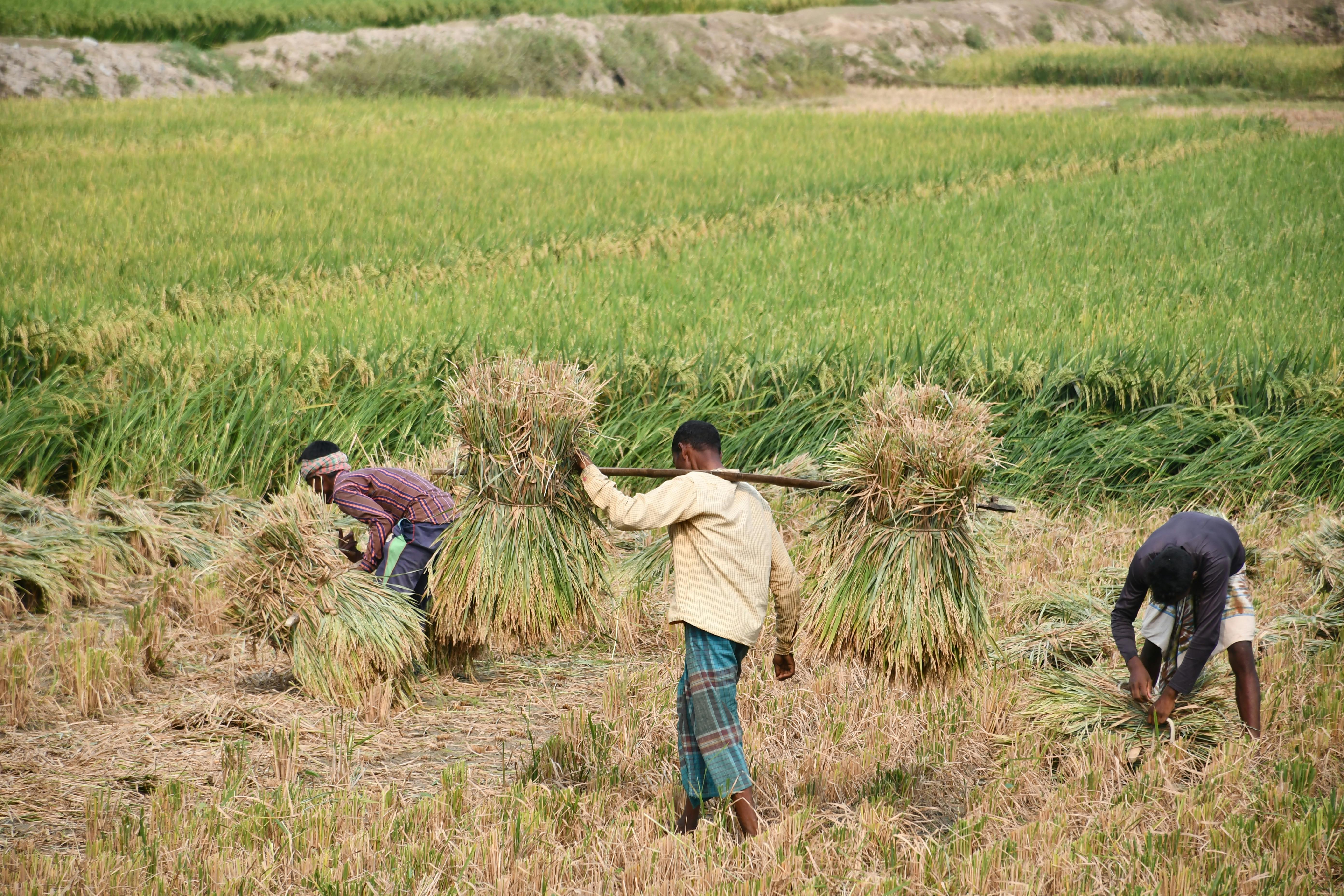
Abia State has become the first Nigerian state government to translate the 2026 national Seasonal Climate Prediction into a farm-level planting calendar, issuing a detailed advisory on March 3 that sets specific planting windows for staple crops and carries direct implications for South-East food supply and market prices through the third quarter of 2026. The advisory, released by State Commissioner for Agriculture Dr Cliff Agbaeze, is drawn from the Nigerian Meteorological Agency's 2026 Seasonal Climate Prediction and provides the most operationally specific state-level guidance issued in response to the national forecast, according to Daily Post Nigeria.
NiMet projects that Abia State will experience above-normal annual rainfall in 2026, with totals expected between 1,800mm and 2,200mm. The rainy season is forecast to commence between late March and early April and run through late October or early November — a seven to eight month window that, if managed correctly, supports multiple cropping cycles. That production potential matters beyond Abia's borders. South-East cassava, yam, and maize supply feeds wholesale markets serving retailers across Lagos, Onitsha, and Port Harcourt. When South-East harvests disappoint, the price signals arrive at Mile 12 Market and Oyingbo Market weeks later.
The planting calendar the state government issued is precise. Yam, maize, and cassava are to be planted at rainfall onset between late March and early April. Rice should be established between May and June, after the early-season rains have consolidated into a dependable supply cycle. The delayed window for rice is deliberate — premature planting following false onset rains risks crop loss before the true rainy season cycle is established. The Federal Government issued exactly this warning three weeks ago when the national 2026 Seasonal Climate Prediction was unveiled: isolated early rains already recorded across southern states should not be mistaken for the official start of the rainy season, as reported by AgroNigeria.
Two weather risks in the 2026 Abia forecast warrant close attention from food price observers. Peak rainfall in June and September raises flooding risk in low-lying farmland. The advisory explicitly warns farmers to cultivate raised ridges, maintain drainage systems, and avoid flood-prone land for sensitive crops. Flooding events in Nigeria's farming zones transmit into price spikes at Lagos markets within two to three weeks. When tomato and pepper farms in Benue flood, Oyingbo reacts. When South-East cassava and yam farms flood, Agege and Oshodi markets respond before the end of the same month.
The second risk is the August dry spell — the annual break expected to last two to three weeks between late July and August. This recurring phenomenon arrives precisely when early-planted crops enter a vulnerable growth stage. The advisory recommends early-maturing and drought-tolerant varieties, staggered planting across two to three weeks, and avoiding sensitive crops during the break period. Farmers who plant too late — pushed there by false onset rains in March — will have crops that meet the August dry spell at the worst possible growth stage.
Nigeria's food price system is structurally sensitive to South-East production outcomes. Cassava underpins garri pricing across all six geopolitical zones. Abia, Imo, Anambra, and Enugu are among Nigeria's highest cassava-producing states, and any significant supply disruption from the South-East shows up in garri prices at Daleko Market, Agege Market, and Mushin Market within weeks of a harvest shortfall. The same dynamic applies to yam: Nigeria is the world's largest yam producer, and the South-East accounts for a substantial share of that output.
For consumers monitoring food prices in Lagos and across Nigeria's urban markets, the June to August window is the primary watch period for South-East supply disruptions in 2026. The planting decisions Abia's farmers make over the next four to six weeks will, in large measure, determine what staple prices look like at the end of the third quarter. If the NiMet forecast is followed and the planting calendar honoured, a well-supplied South-East harvest could arrive at markets between October and November — exerting downward pressure on cassava, yam, and maize prices heading into year-end. If it is not, consumers will feel it.