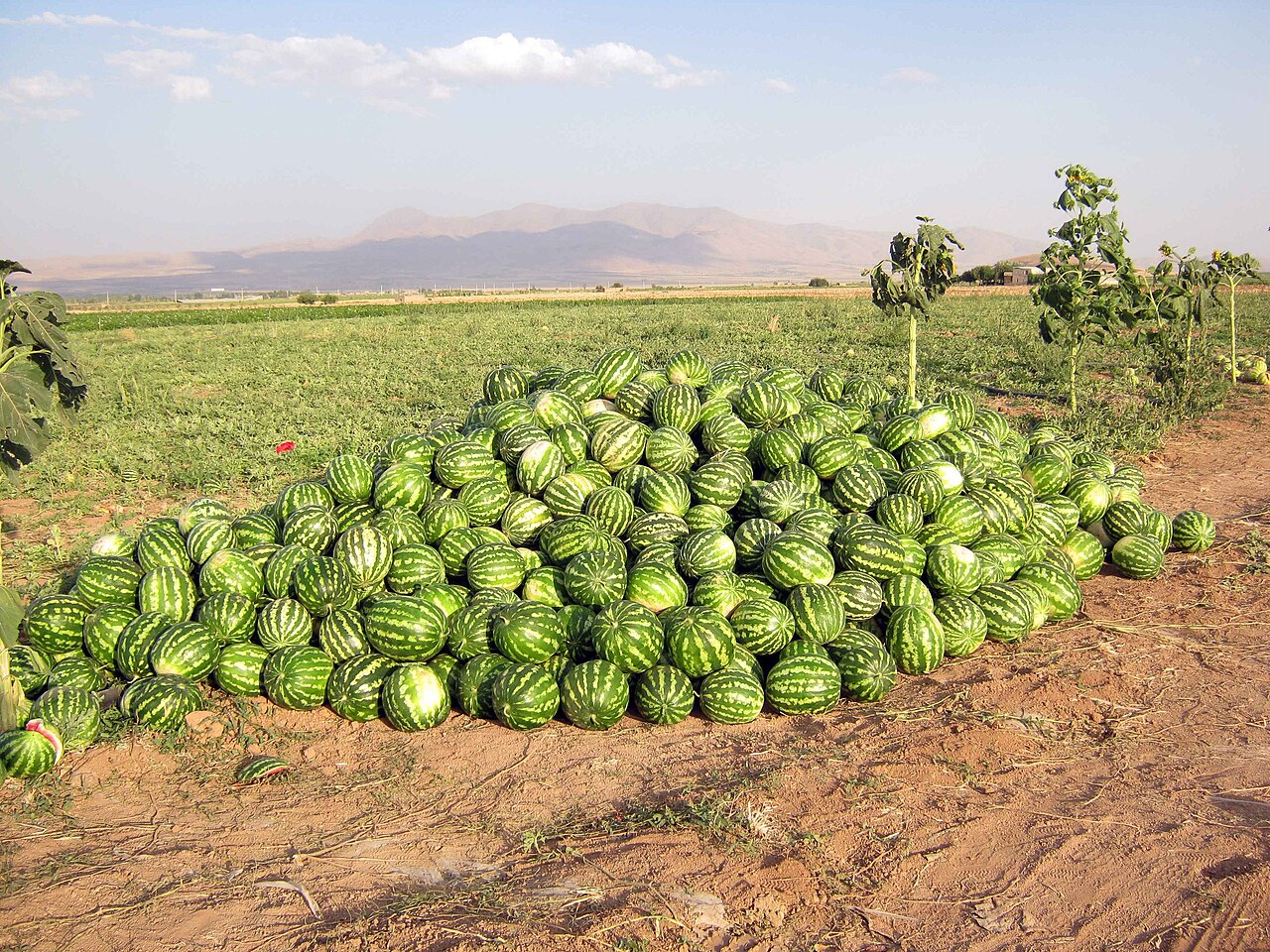
Watermelon is one of the easiest fruits to find in a Nigerian market during the dry season, piled high and sold cheap. That abundance hides a costly problem, because a large share of the crop never survives the journey from farm to plate. Research on the watermelon supply chain in Nigeria found that most producers and marketers lose up to 40 per cent of their fruit, with some losing more than 60 per cent, according to a study reviewed by researchers on post-harvest losses.
A Harvest the Roads Cannot Carry
The reasons are stubbornly familiar. Producers pointed to insect infestation, insufficient working capital, poor handling and a lack of market access and technology, while traders cited inadequate storage and poor packaging, the same review found. Those weaknesses are not unique to watermelon. Nigeria loses an estimated ₦3.5 trillion worth of food to post-harvest waste every year, a burden the government is now trying to ease by seeking storage, cold-chain and processing technology from Asian partners, according to Rio Times. For farmers already squeezed by high input costs, the spoilage is another reason to walk away, with growers across the North-Central and North-West warning that losses and rising costs are pushing them to abandon farming altogether, according to Nairametrics.
A Glut, Then a Shortage
Watermelon is also intensely seasonal, which magnifies the waste. Around 36 per cent of watermelon production is affected by post-harvest losses in transport and storage, alongside heavy logistics inefficiency, seasonal dependency and inconsistent cold-chain infrastructure that limits exports, according to a market analysis by Global Growth Insights. The result is a familiar whiplash for shoppers, with prices collapsing when the fruit floods the market at harvest and climbing sharply once the season ends and supply dries up.
Where the Value Leaks Away
The clearest missed opportunity is processing. Beverage makers are increasingly investing in watermelon juices and smoothies, and exporters report rising global demand for ready-to-eat watermelon products, according to Global Growth Insights, yet Nigeria turns very little of its crop into anything shelf-stable. That leaves the fruit hostage to the road and the weather. Value addition is no longer optional for farmers who want to earn more than the farm-gate price, and post-harvest losses remain one of the biggest threats to profitability in Nigerian agriculture, according to AgroNigeria.
A crop that swings from glut to scarcity within a single season is exactly the kind that moves prices at the stall. FoodPrices Nigeria tracks verified retail prices across Lagos markets, where the gap between a bumper harvest and an empty crate is felt in what shoppers pay for fruit.
#Watermelon, #PostHarvestLoss, #FoodSecurity, #AgroProcessing, #Nigeria, #Lagos, #FoodPrices, #Agriculture, #ColdChain, #Fruit