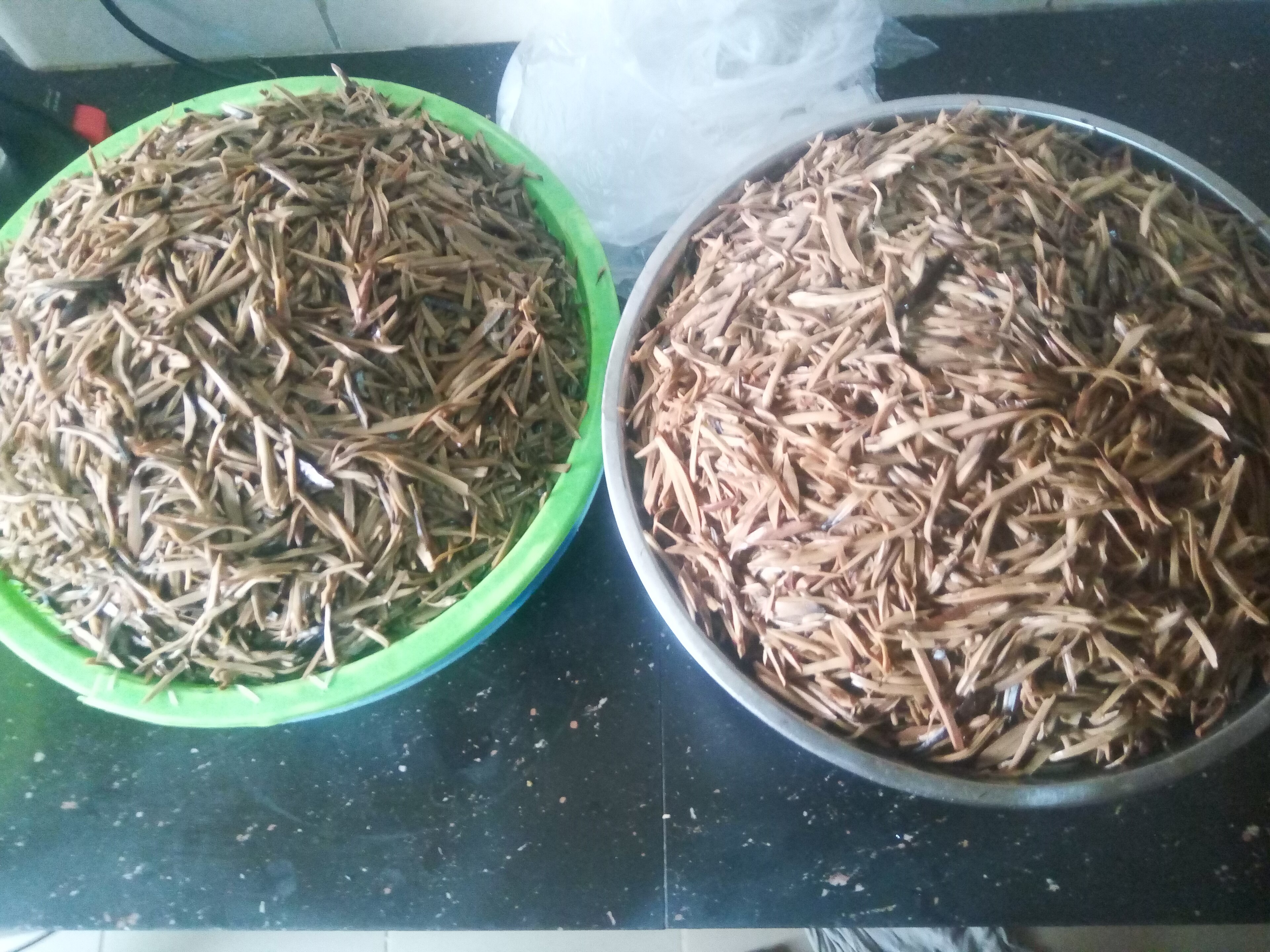
One of Nigeria's most beloved traditional foods is also one of its most overlooked. Ugba, also called ukpaka, is a fermented condiment made from the cotyledon of the African oil bean, Pentaclethra macrophylla, produced mainly by the Igbo and other groups in southern Nigeria and eaten as a native salad or a soup flavouring, according to a study on the biotechnology of ugba published in a peer-reviewed journal. It serves as a cheap source of plant protein, yet it has stayed a cottage product rather than a commercial one.
A Protein Source Made by Hand
Ugba is prepared in accordance with traditions handed down through generations, often as a small family business in the home, the same study noted. Fermentation is what makes the bean edible, reducing anti-nutritional factors and increasing digestibility, but because the process is usually natural and uncontrolled it brings problems of inconsistent quality and safety. That inconsistency is the gap that standardised, hygienic processing could close, turning a homemade delicacy into a reliable packaged food that shoppers could trust and regulators could certify.
Underused and Under-Researched
Despite its nutritional and cultural value, the African oil bean is considered underutilised in terms of both research attention and global trade, according to a scientific perspective on the seed. The neglect fits a wider pattern. A review of underutilised Nigerian food crops found that a growing preference for imported diets lowers demand for local foods such as African breadfruit and African walnut, and that governments and food industries invest minimally in research and development of indigenous crops, according to Frontiers in Sustainable Food Systems. The result is that a nutritious, affordable protein grown on native trees keeps losing ground to imported alternatives that cost the country foreign exchange.
A Market Already Waiting
The demand side is not the problem. Ugba is a fixture of eastern Nigerian cuisine, central to popular dishes such as abacha and the African salad served at ceremonies and roadside spots alike, and ready-to-use fermented ugba already sells online to buyers in North America, a sign that appetite reaches well beyond the villages where the beans are harvested. A product with a loyal home market and a large diaspora is exactly the kind of food that rewards investment in cleaner processing, longer shelf life and proper packaging.
The Case for Scaling It Up
Turning ugba from a home craft into an organised value chain would spread income to the rural communities that gather the beans, give urban shoppers a consistent and safe product, and add another affordable protein to the Nigerian diet. The building blocks, an abundant tree crop, a proven fermentation method and steady demand, are already in place, waiting for the research, standards and finance that indigenous foods rarely receive.
Affordable protein matters more than ever when the cost of meat and fish keeps climbing. FoodPrices Nigeria tracks verified retail prices across Lagos markets and follows the indigenous foods that could give households cheaper, home-grown sources of nutrition.